RESEARCH INTERESTS:
We are interested in the evolutionary dynamics of genes and genomes within and between populations and species. Some of our research projects have implications for medicine and conservation biology. 
Closely related species are particularly useful in the study of genome evolution. So far, my taxonomic focus has been on Drosophila melanogaster and the rat (Rattus norvegicus), but has also included projects on other model organisms, including Arabidopsis and macaque. Of particular interest is the recent origin and spread of more than 60 closely related rat species in SE Asia and Australia, all of which are very closely related to one another. Thus, we can use the published genome sequence and other genomic resources developed for the rat to study the origin and evolution of genomic novelties. In turn, we can examine how biogeography, genetics, and natural selection have interacted to generate this many rat species in less than 2-3 million years.
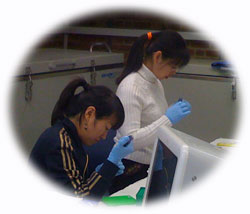 The detection of adaptations at the gene level is another area of interest. Rat populations resistant to anticoagulant rodenticides (e.g. warfarin) are the main model system we are using to pursue this research area.
Our research also has medical genetic components to it. The use of the warfarin-based coumadin as blood thinning drug to combat thrombosis, stroke, and heart attack is a true success story in applied biochemical research (c.f. The Scientist 2 [23], pp. 4). My research aims to help identifying the gene(s) underlying pathways affected by warfarin, and the role these genes play in the expression of complex disease.
CURRENT AND PAST COLLABORATORS:
- Jose Fedriani
- Elizabeth A. Hadly
- Felix Knauer
- Michael Liebschner
- Nick Oguge
- Svante Pääbo
- Hans-Joachim Pelz
- Raymond Sauvajot
- Wolfgang Schröder
- Joan B. Silk
- Robert K. Wayne
- Chung-I Wu