.
 .
. .
. .
.
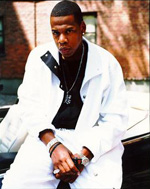
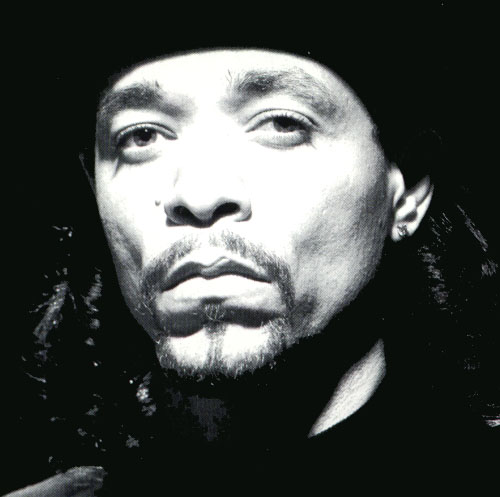
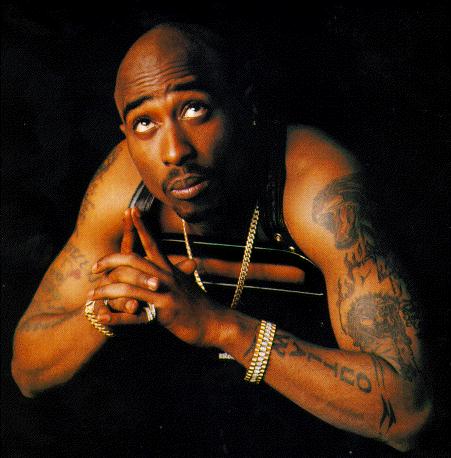
. Jay-Z Ice-T 2Pac Shakur
.
.
..
. Jay-Z
Ice-T
2Pac Shakur
Right now, the most interesting hip-hop artist is Master P, who hails from
New Orleans by way of
Richmond, California. There are other rappers who may be more skilled on
the microphone, but
Master P has succeeded where others have failed. He has shattered the near-monopoly
that the two
coasts have held on the hip-hop imagination by making records that explicitly
celebrate the South.
He is an ex-crack dealer who unabashedly makes gangsta rap, a genre that
is supposedly dying.
Most significantly, he is on his way toward building rap's only truly independent,
Black-owned
music company.
No Limit Records is easily the story of the last year--and not just for
hip-hop but for the entire
music industry. In a time when the industry is in a slump, hip-hop records
are still flying out the
stores--and no one has been more successful, or audacious, than Master
P. He is not just focused
on his own career, he is consciously building a movement. His ever-growing
stable of artists all
release their own records as well as perform on each other's albums. He
knows that individual
careers come and go, so he has built a crew whose members' various personalities
and styles
contribute to the many aspects of his sphere of cultural influence. Listening
to any of the records, the
No Limits family sounds like a cultural institution rather than a mere
collection of artists.
. .
. .
.
.
Master P
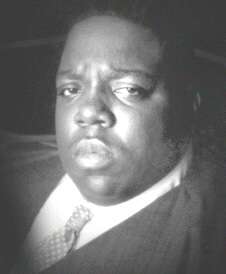
.Biggy
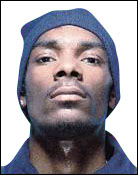
.Snoop Dogg
Because of his independence from the Time-Warners and Polygrams of the
world, no one can
dictate his content. His business practices also spit in the face of the
industry's conventional wisdom.
On his records, Master P often brags that he releases albums whenever he
feels like it. This year
alone, No Limit has sold over four million records and routinely has two
or three
albums represented on the Billboard Top 200. There are 24 new albums on
his release schedule.
His foray into movies has been characterized by the same independent impulse.
After being rejected
by all of the major distributors, he went straight-to-video with his first
full-length feature, I'm 'Bout
It, a quasi-autobiographical account of his rise on the streets of New
Orleans. It quickly went
platinum, selling even faster than most Disney releases, and he is now
shooting his second video.
The emergence of Master P is significant because it could represent a new
chapter for young Black
America. From the time of the late '70s, hip-hop has been about independence
and
doing-it-yourself, but the talk rarely became a reality. The irony about
the
so-called political
rappers like Public Enemy or KRS-One was that they talked about making
revolution on record but
had their careers held hostage by the big, white-owned labels to which
they were signed. If Public
Enemy weren't ultimately accountable to Sony, then Chuck D wouldn't have
had to
succumb to a controversy about perceived anti-Semitism by kicking Professor
Griff out of the
group. If KRS-One wasn't shackled by a ten-album deal at Jive, then perhaps
he could have built
and consolidated his fan base who don't hear from him enough by releasing
records when he felt it
was right.
. .
.
.
. .
.
.
. .
.
.
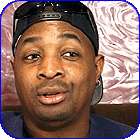
Chuck D
. Master P
.KRS-One
By the late '80s and early '90s, only one hip-hopper could make his own
records, press them up
himself, distribute them himself and collect all of the royalties--and
that was Luther Campbell. Not
only did he drive the censors crazy with his highly sexualized music, but
he was building an
empire in Florida. He employed dozens of young African Americans and routinely
tried to influence
local elections with his money and the force of his personality. Unfortunately,
the legal battles he had
to fight in the music censorship war as well as the dissolution of his
musical crown jewel, the 2 Live
Crew, have gutted Luke Records. Def Jam, Ruthless, Loud--all of these celebrated
rap labels are
basically extensions of larger entities. Right now, the only major label
standing independently is No
Limit Records.
. .
.
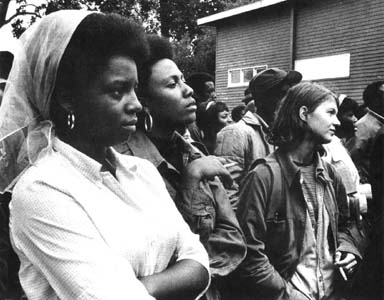
Women attend a Black Panther Rally
This discussion is important for two reasons. One is related to community-building
and the other to
cultural integrity. With the first aspect, the Hip-Hop Nation is merely
a microcosm of the entire
African American community. Just as the Civil Rights Movement failed to
address issues
of economic development, the Hip-Hop Nation has sputtered in creating its
own economic
institutions. It's not that people aren't trying to start a wide range
of businesses. An editor of a major
rap music magazine reports that he regularly receives calls and faxes from
young people trying to
start everything from clothing companies to promotions firms. They usually
are seeking advice on
how to start a company, but it is clear that they don't even know the first
thing about handling
money, getting clients or even working together. It's a Catch-22: how can
you learn these skills if the
institutions where you could learn them from hardly exist in your community?
And, quite frankly, given the
dismal state of public education in this country, how many of these folks
have the more basic skills
necessary to do this work? It's not being too outrageous to note that Master
P's experience dealing
crack was probably invaluable in this respect. How else could he have developed
these skills?
. .
.
.
. .
.
.
Wyclef
.Master P
The cultural issue goes far beyond censorship, although suffice it is to
say that not being beholden to
the board of Time Warner makes you far less susceptible to the pro-censorship
efforts of C.
Delores Tucker or William Bennett. Because Master P controls the frequency
and flow of his
releases, he controls the way his messages are presented to the world;
in this day and
age, without marketing content is meaningless. Plus, an independent business
mindset might
understand that albums that sell in the hundreds of thousands can be as
profitable, if not more
profitable, than platinum albums. Without the pressure to hit homeruns
every time, artists would
have more of an opportunity to experiment and take risks.