Can delamination
of lower crust explain the continental crust paradox?
The upper continental crust
is too evolved (felsic) to be a melt in equilibrium
with the mantle (e.g., basalt). A mafic end-member is required to balance the continental
crust composition. One possibility is the lower crust because it is mafic. However, the composition of the average global lower
continental crust (Rudnick and Fountain, 1995) is clearly not mafic enough to balance the evolved composition of the continental
crust. There is thus a “missing” mafic
end-member. One possibility is that the
evidence for this “missing” mafic end-member is
eliminated when mafic lithologies
(in the form of garnet-pyroxenite), founder and
disappear into the convecting mantle (Kay and Kay,
1993; Rudnick, 1995). Sierra Nevadan
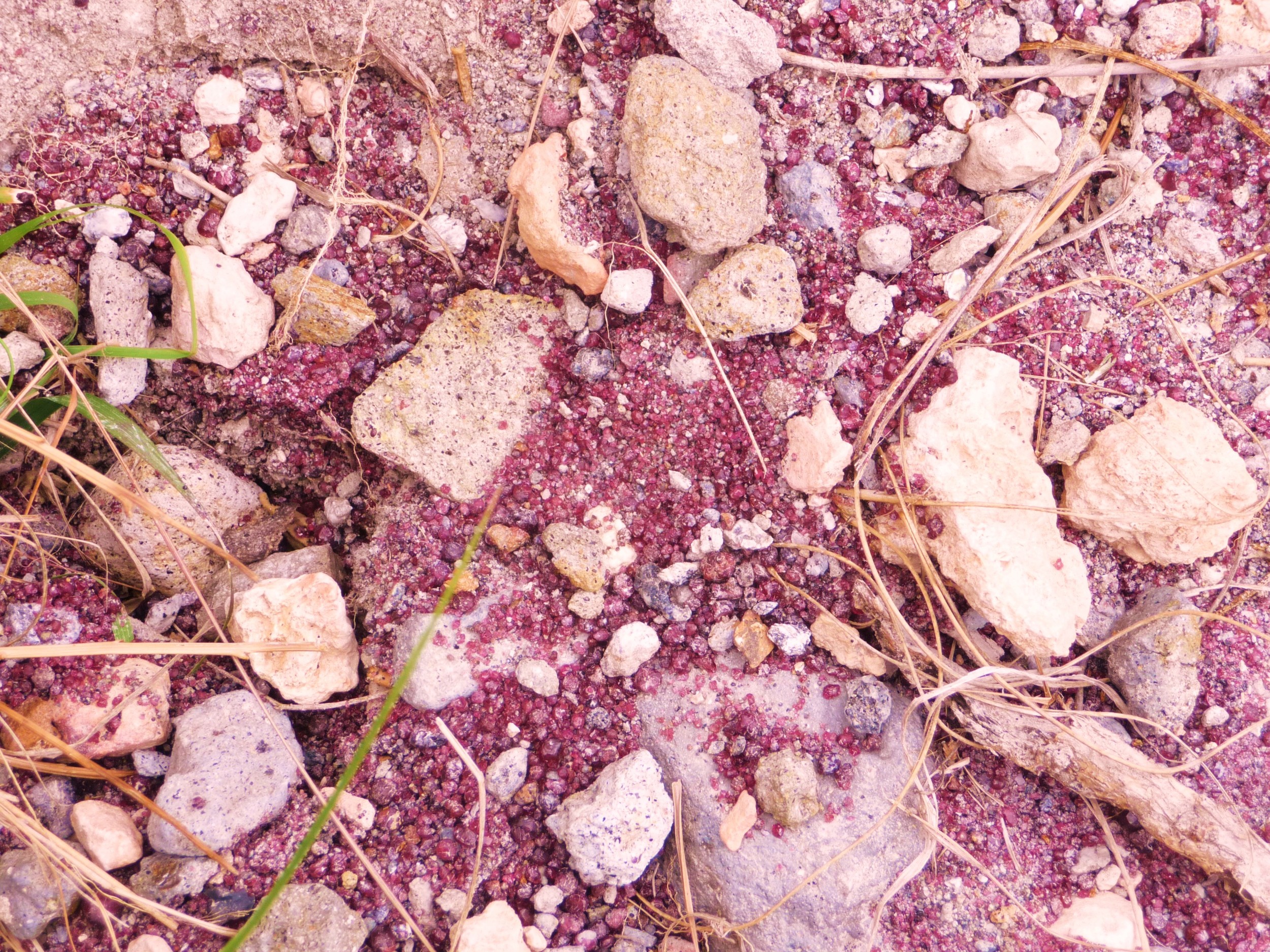
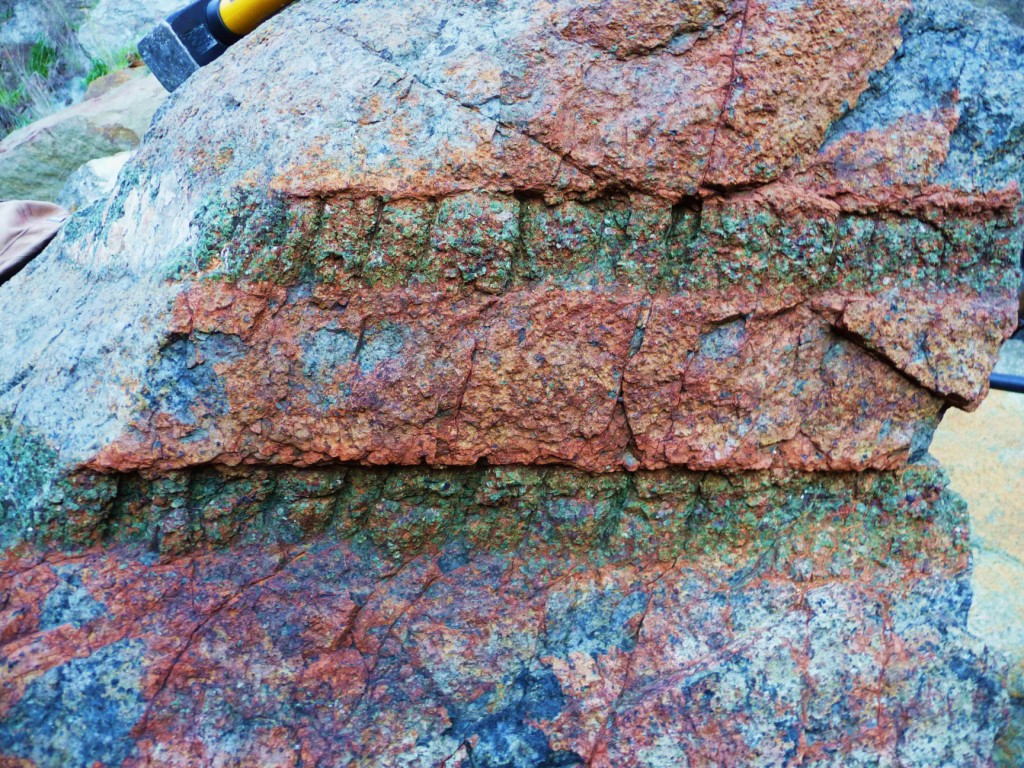
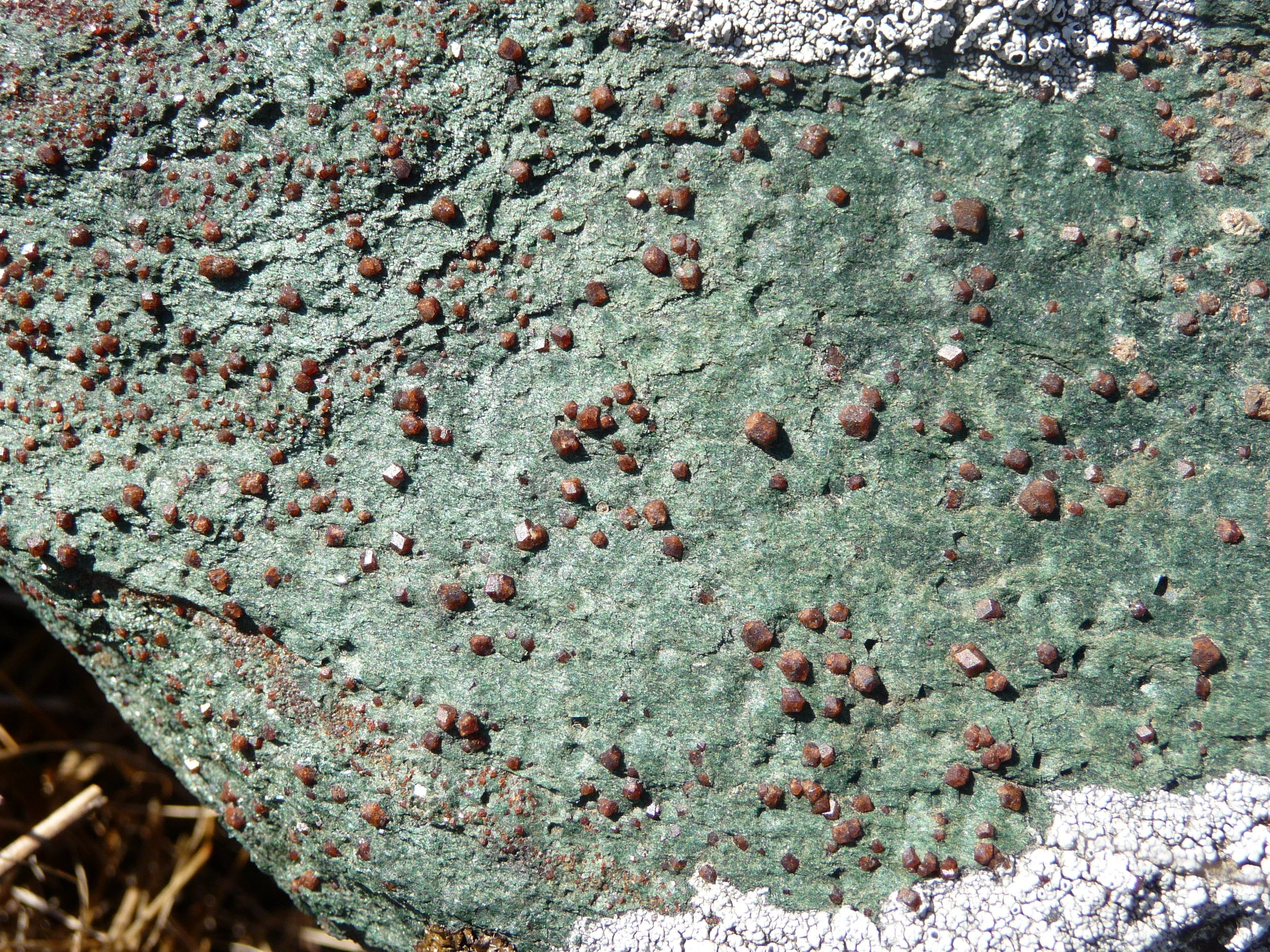
garnet-pyroxenites (garnet clinopyroxenites
and garnet websterites) may represent a rare snapshot
of this mafic component before it foundered. The average composition of the Sierran garnet-pyroxenites is
considerably more mafic than the average global lower
continental crust, thus representing a plausible complementary mafic end-member. Rare-earth element patterns of the garnet
pyroxenites also appear complementary to those of the
Sierran granitoids,
suggesting that the pyroxenites are petrogenetically related to the batholith
(Ducea, 2001). Removal of Sierran-type
pyroxenites would drive the bulk composition of the
continental crust towards more evolved compositions, characteristic of the
average continental crust. Efforts are underway to better characterize the
major- and trace-element composition of garnet pyroxenite
xenoliths beneath the