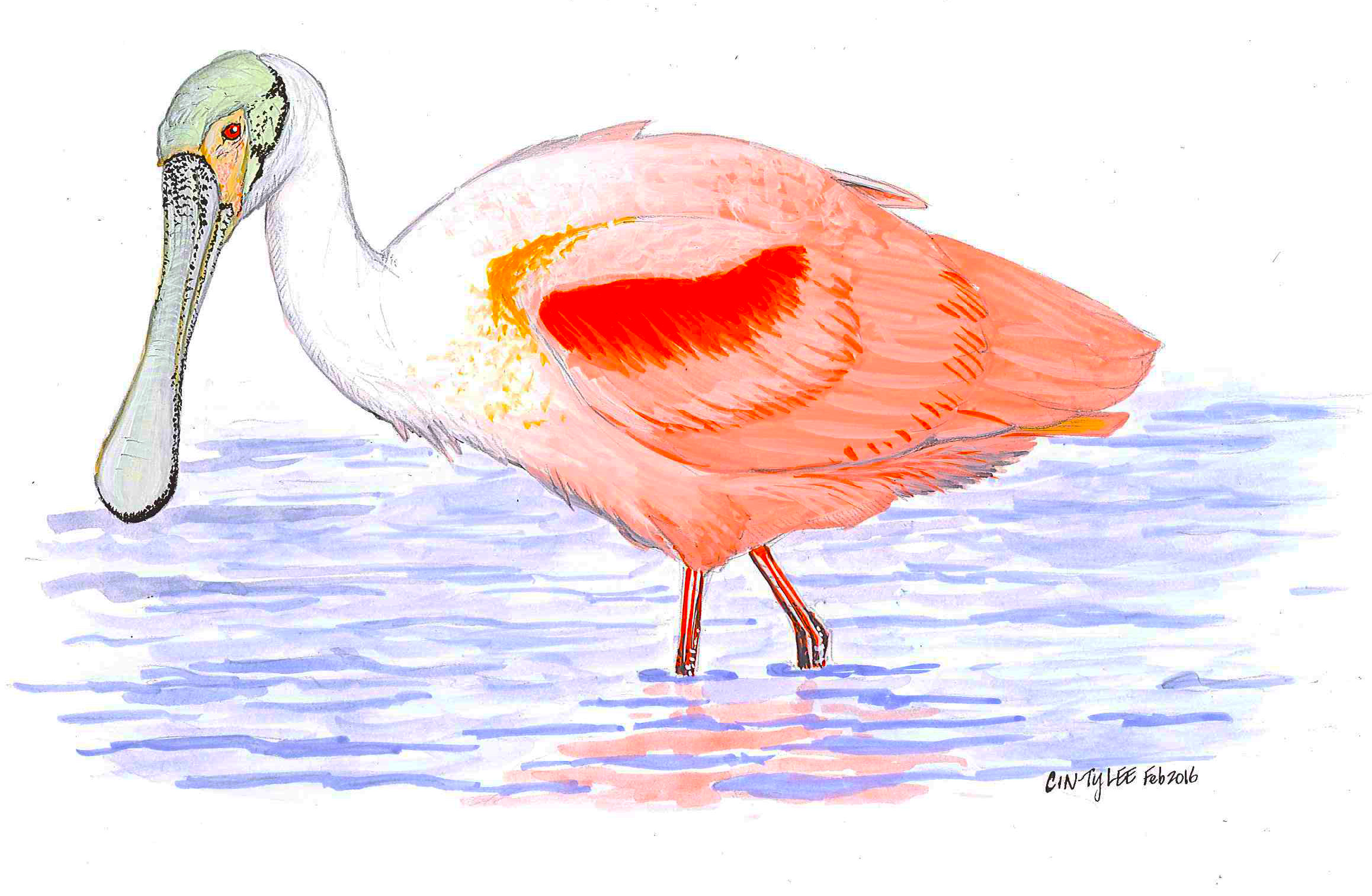
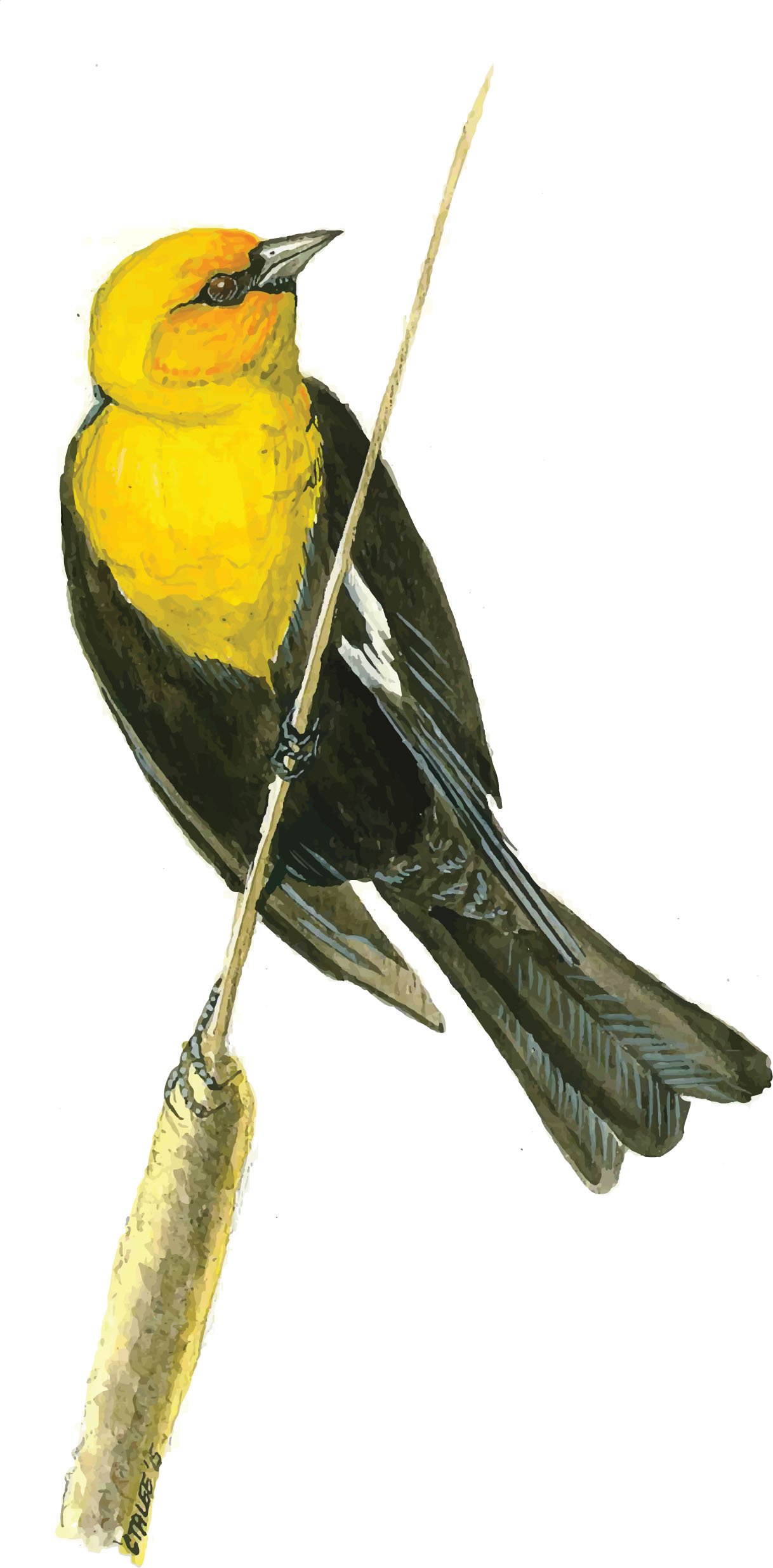
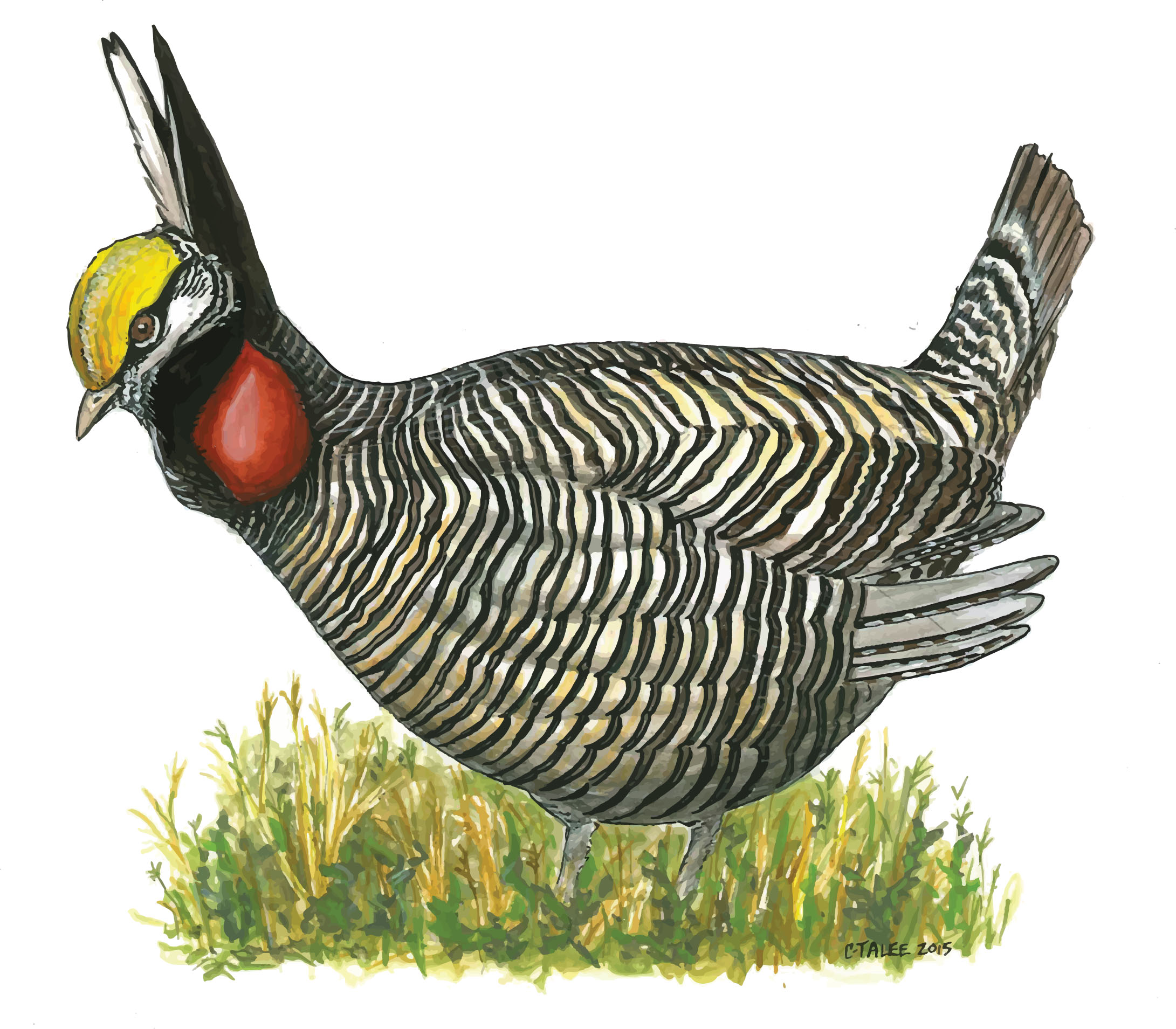
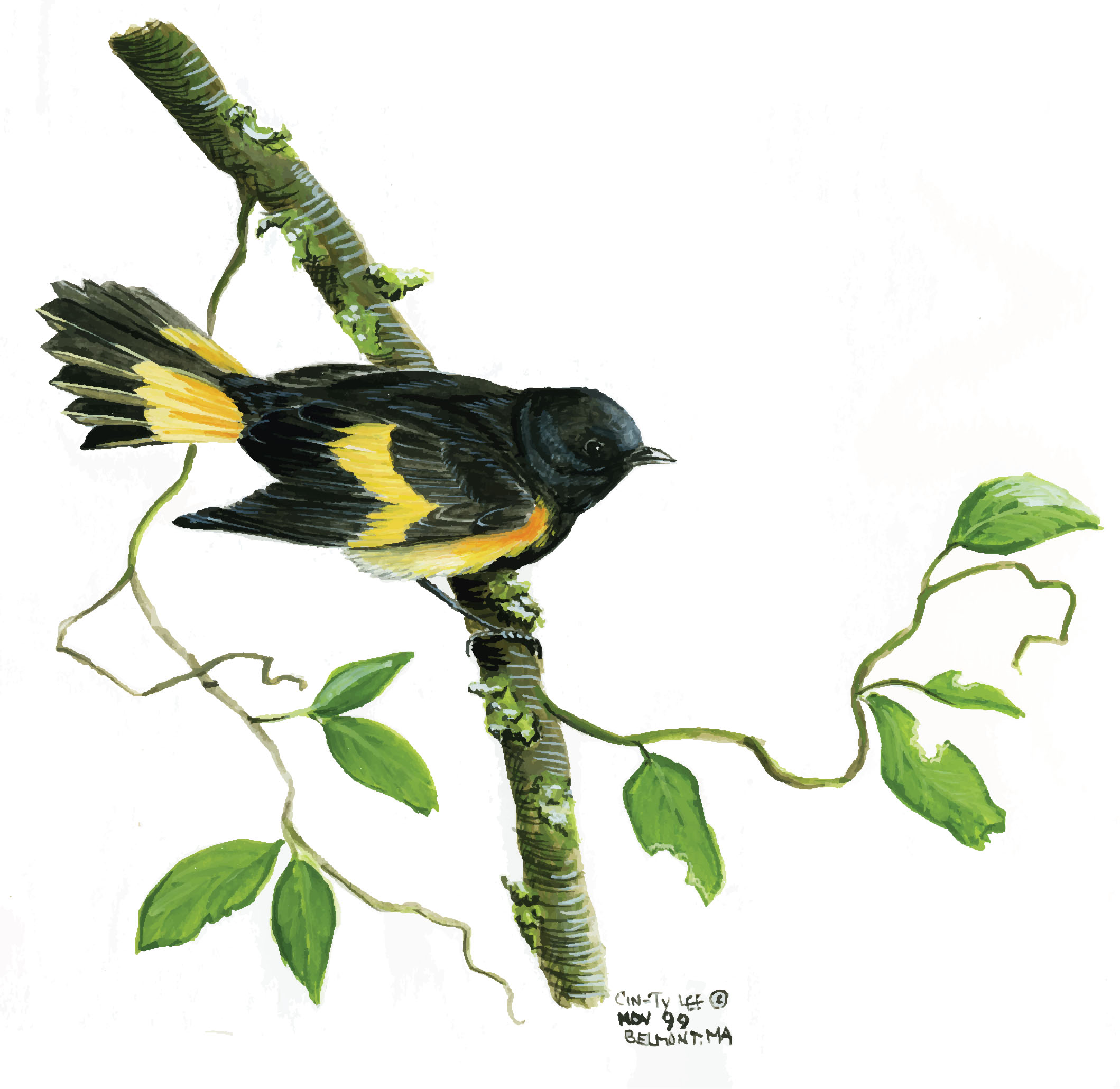
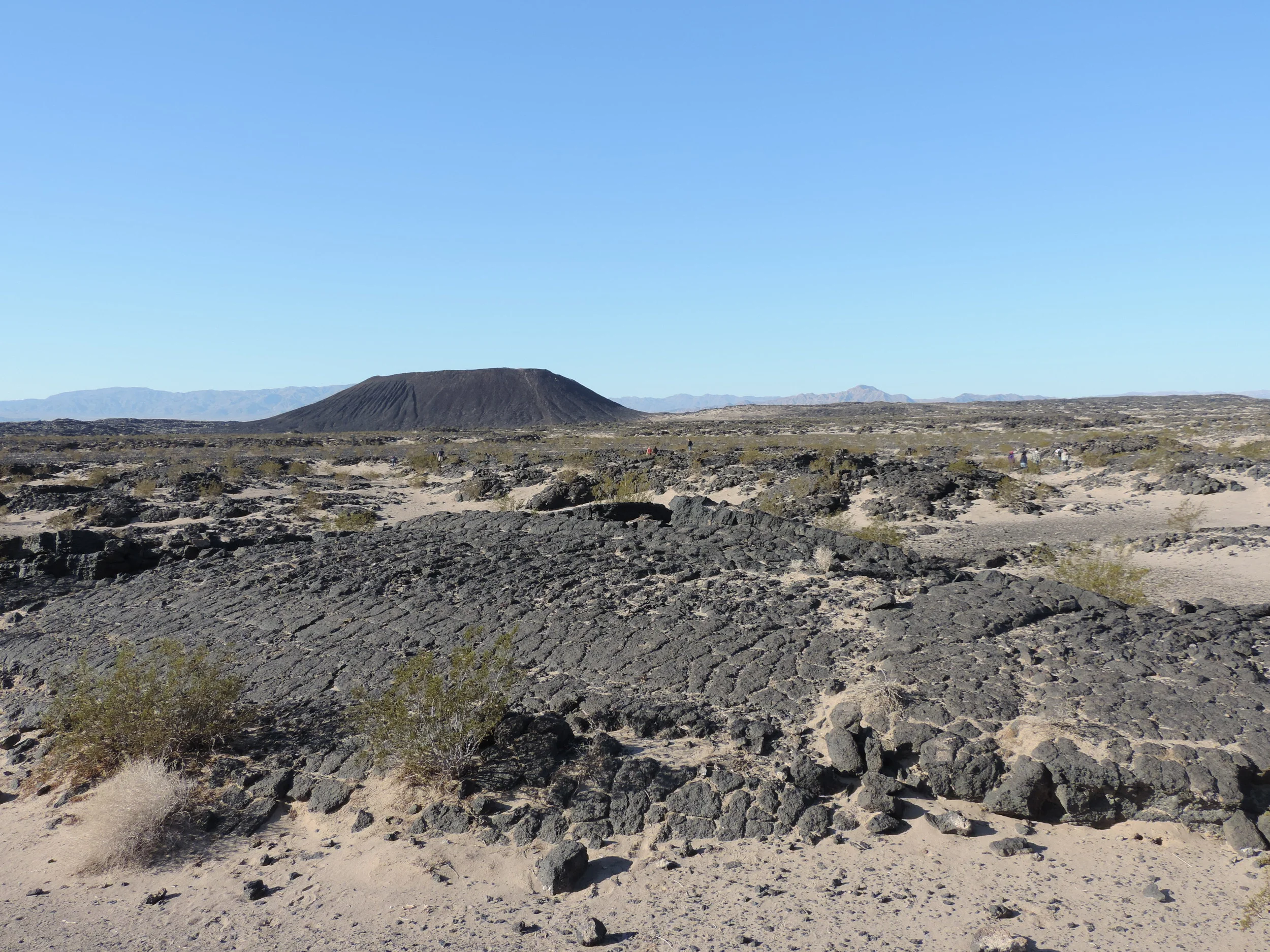
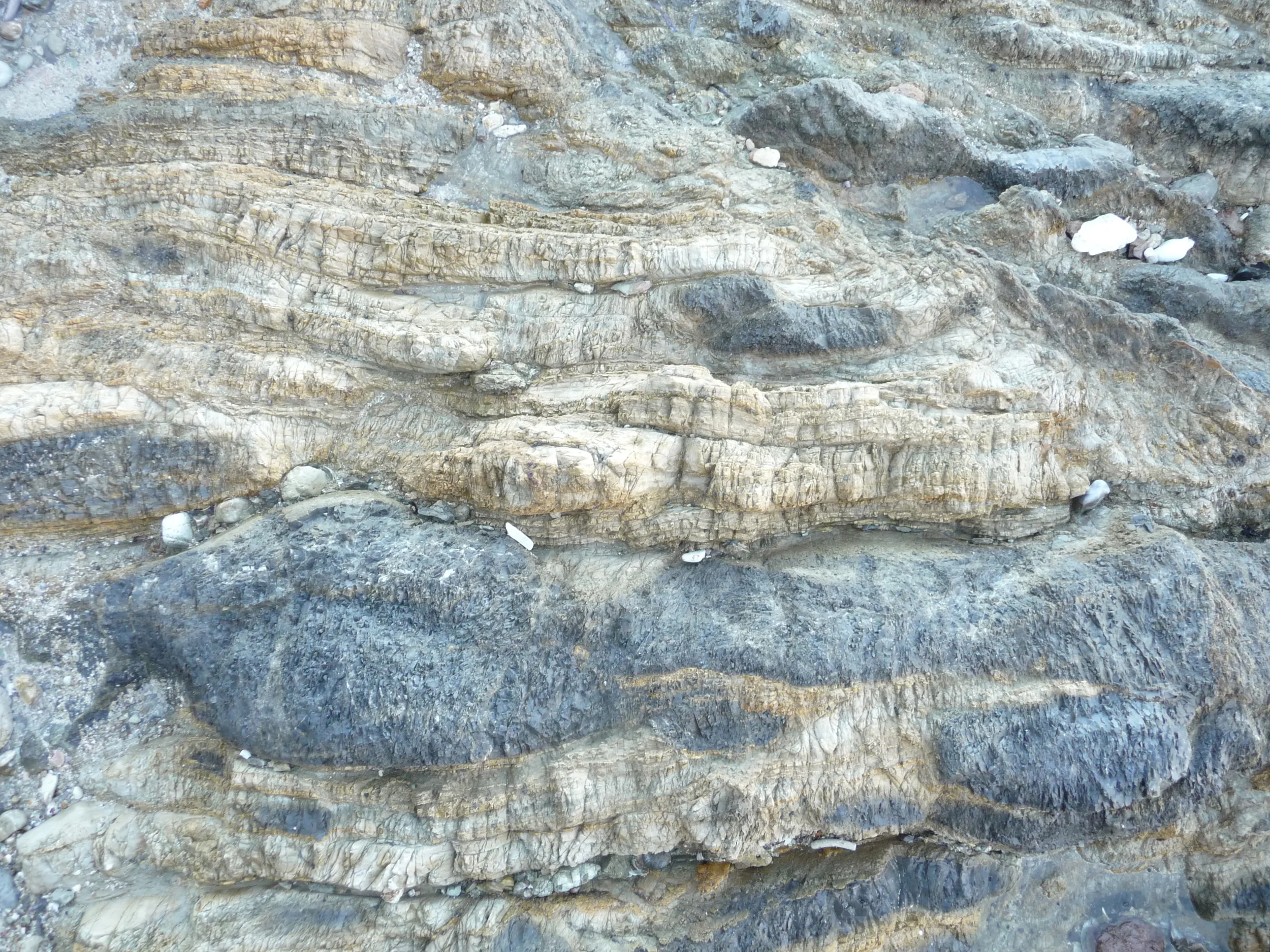
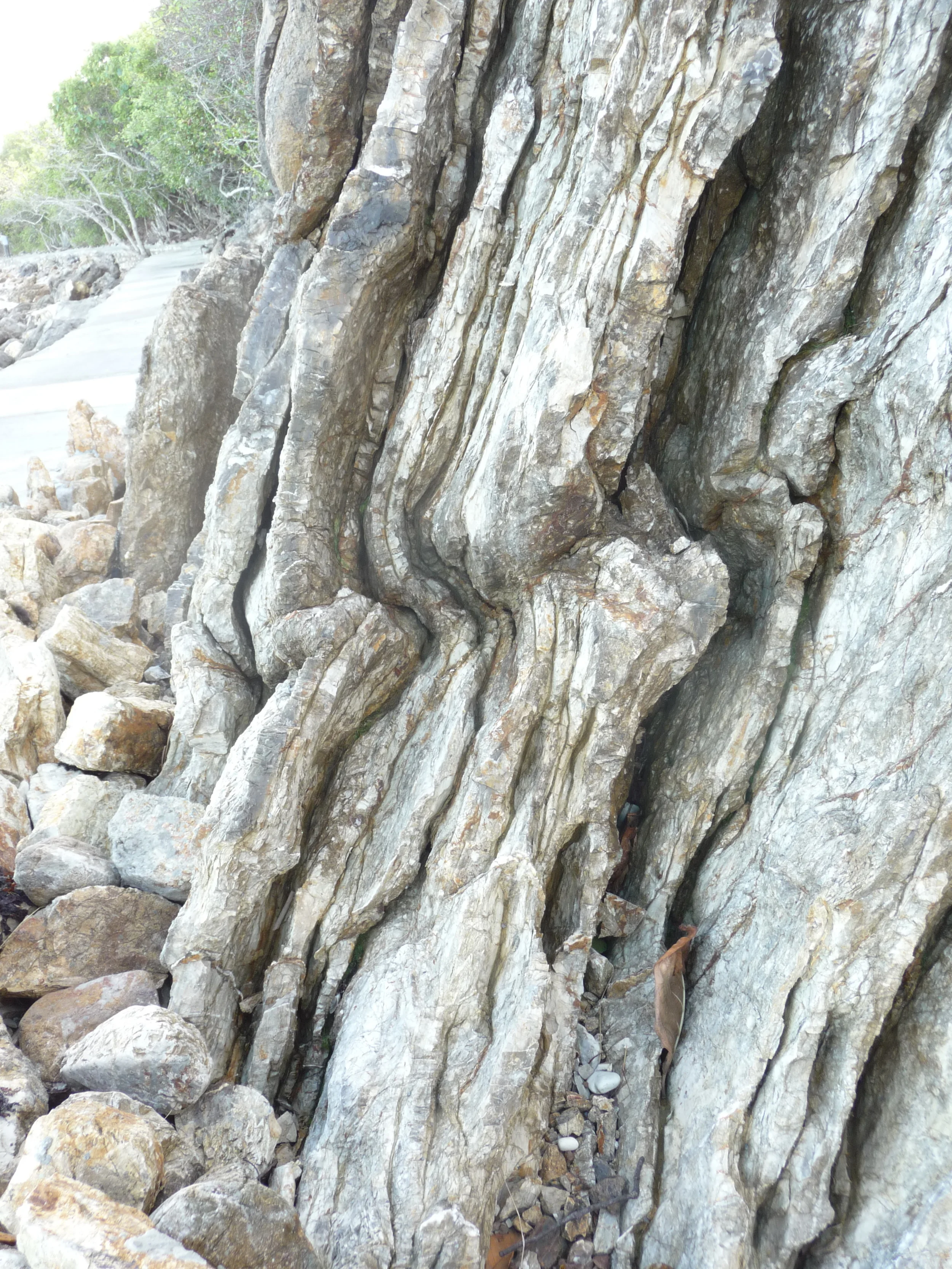
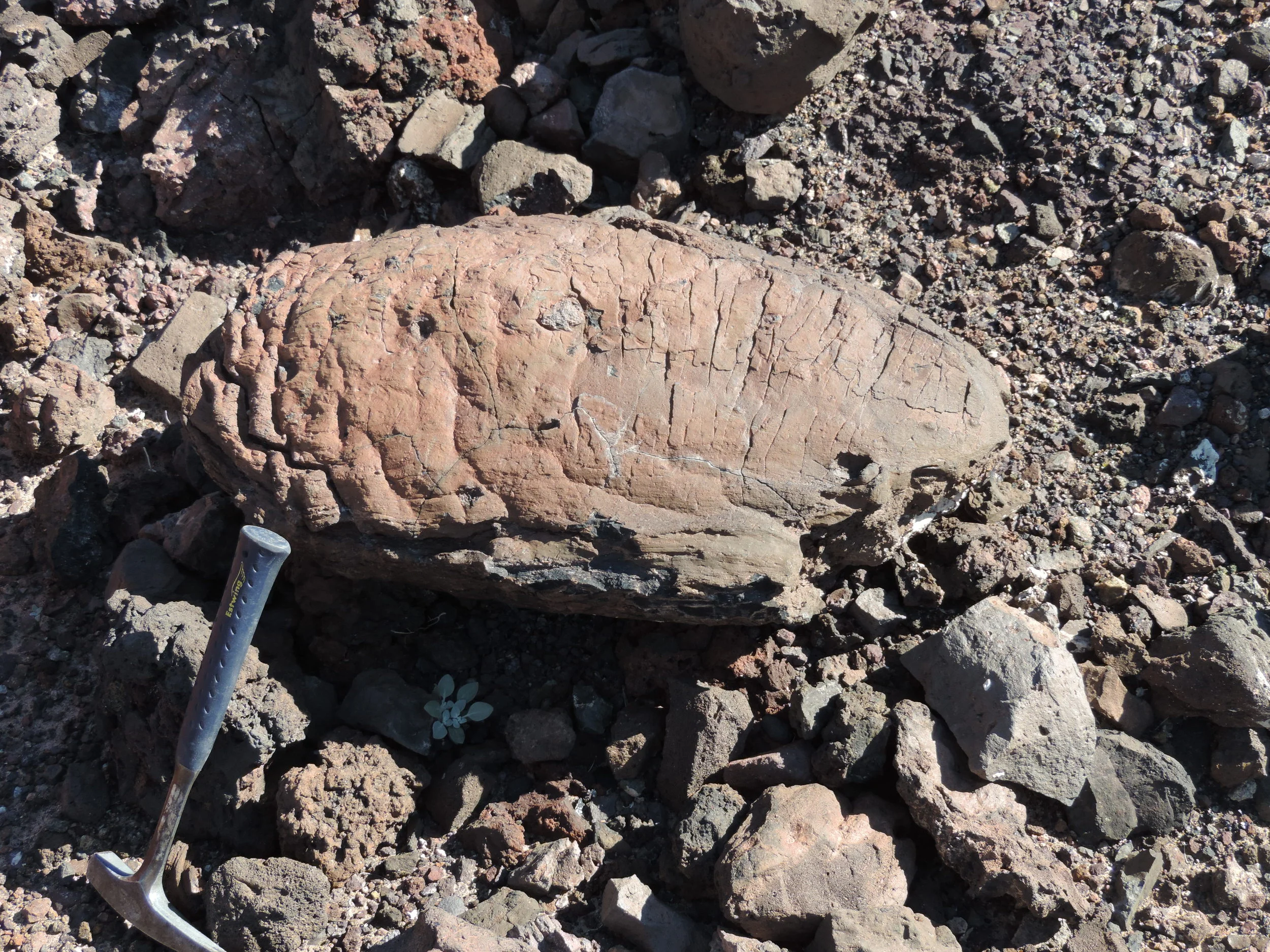
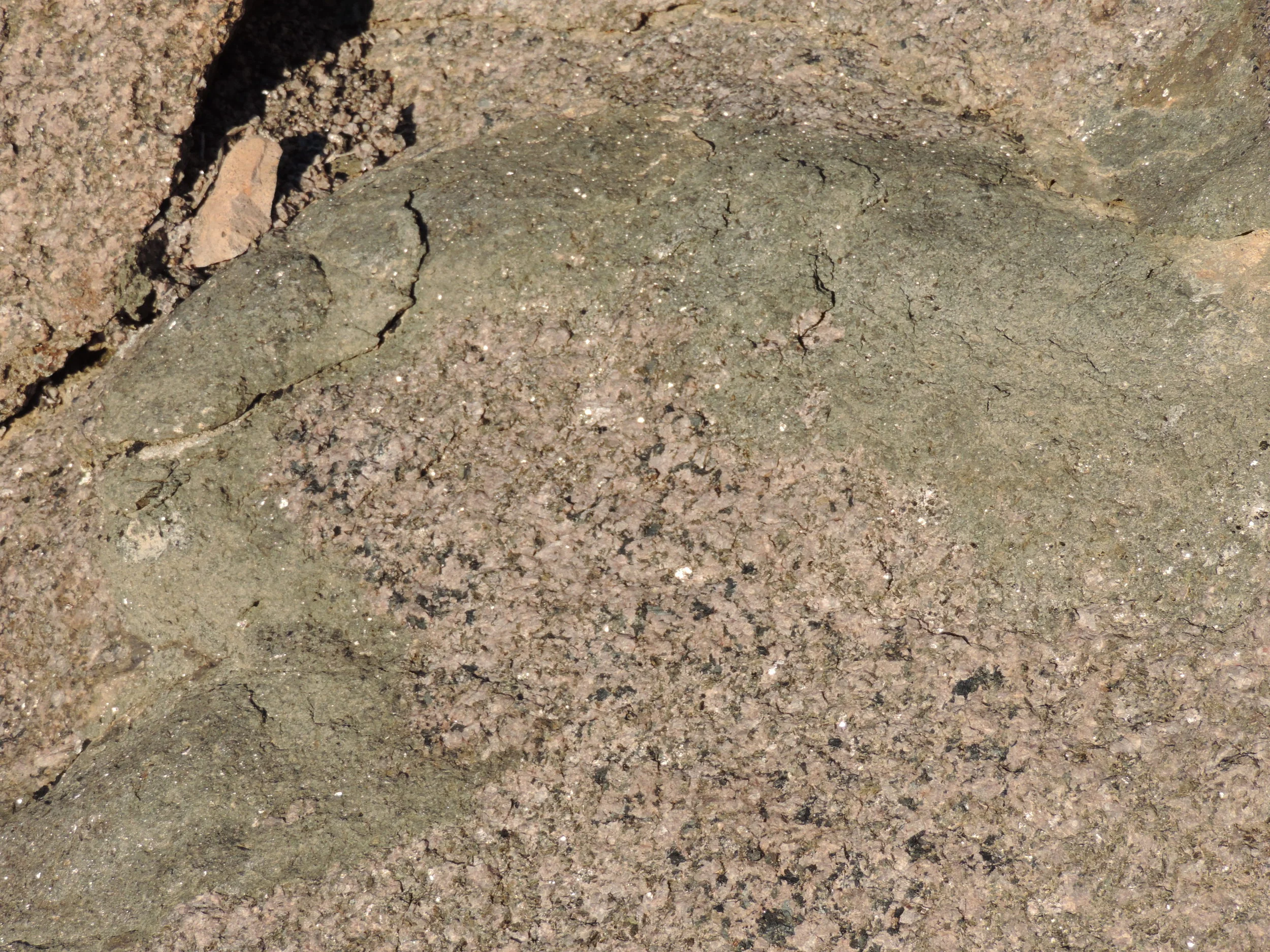
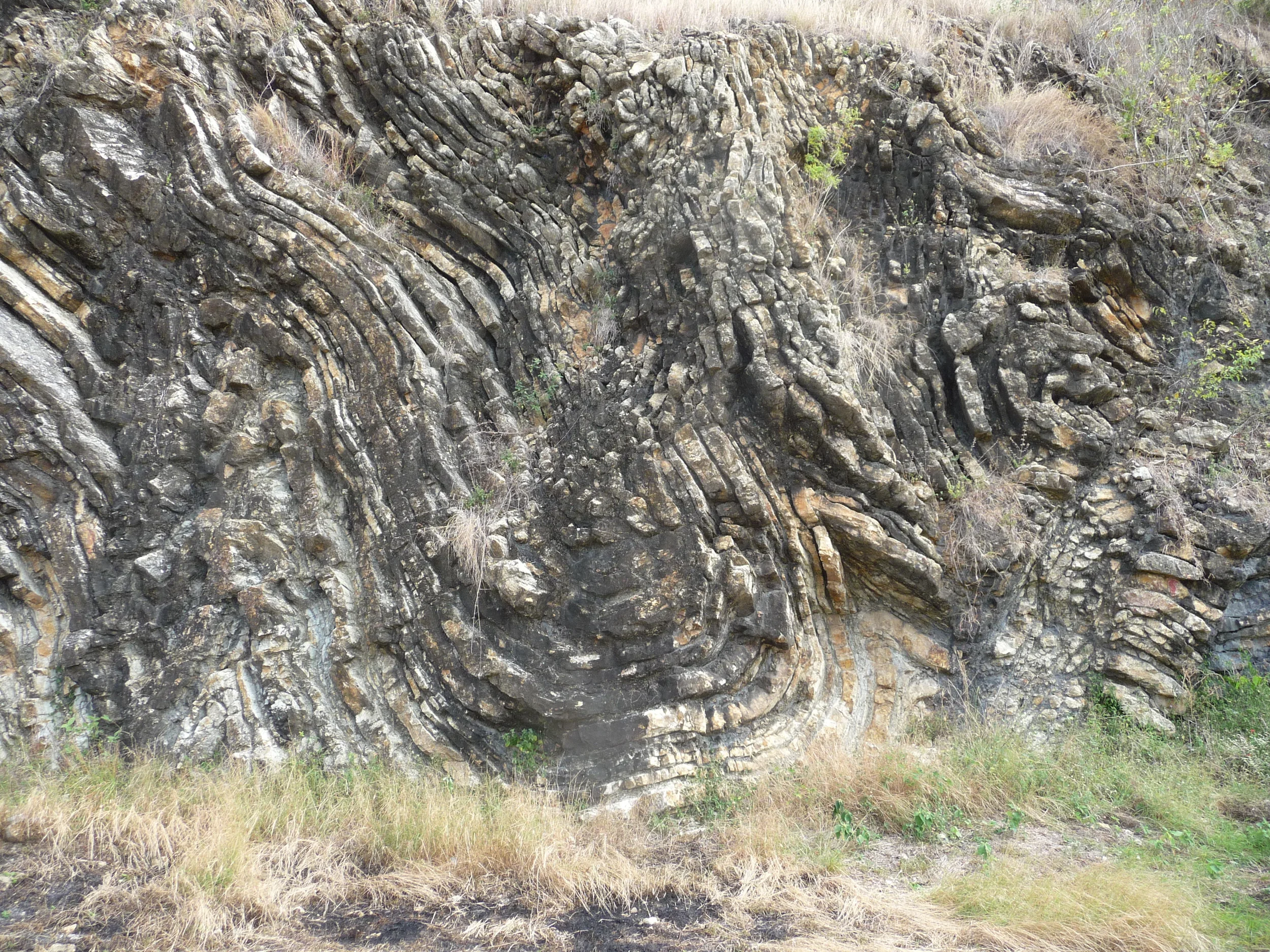
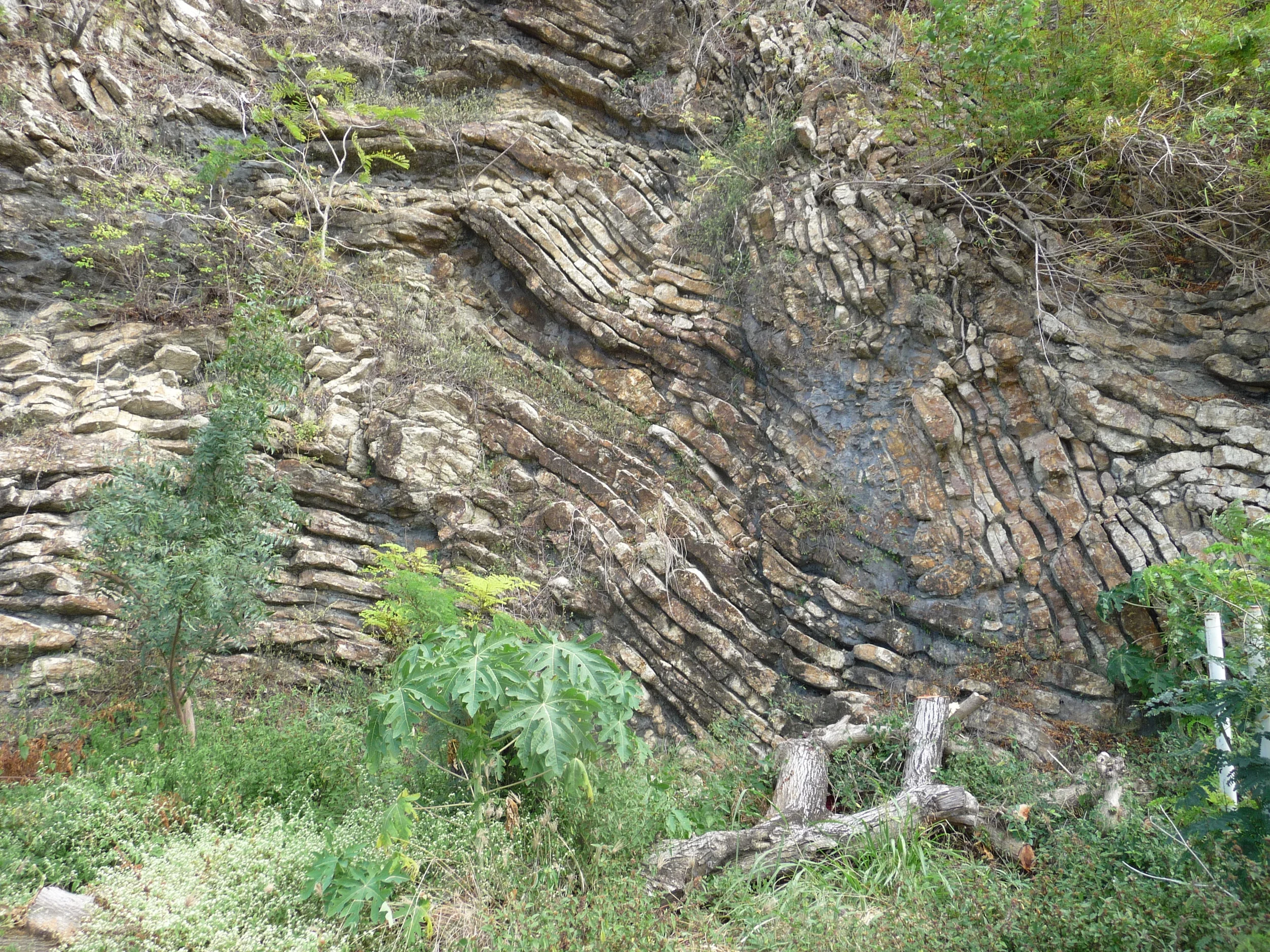
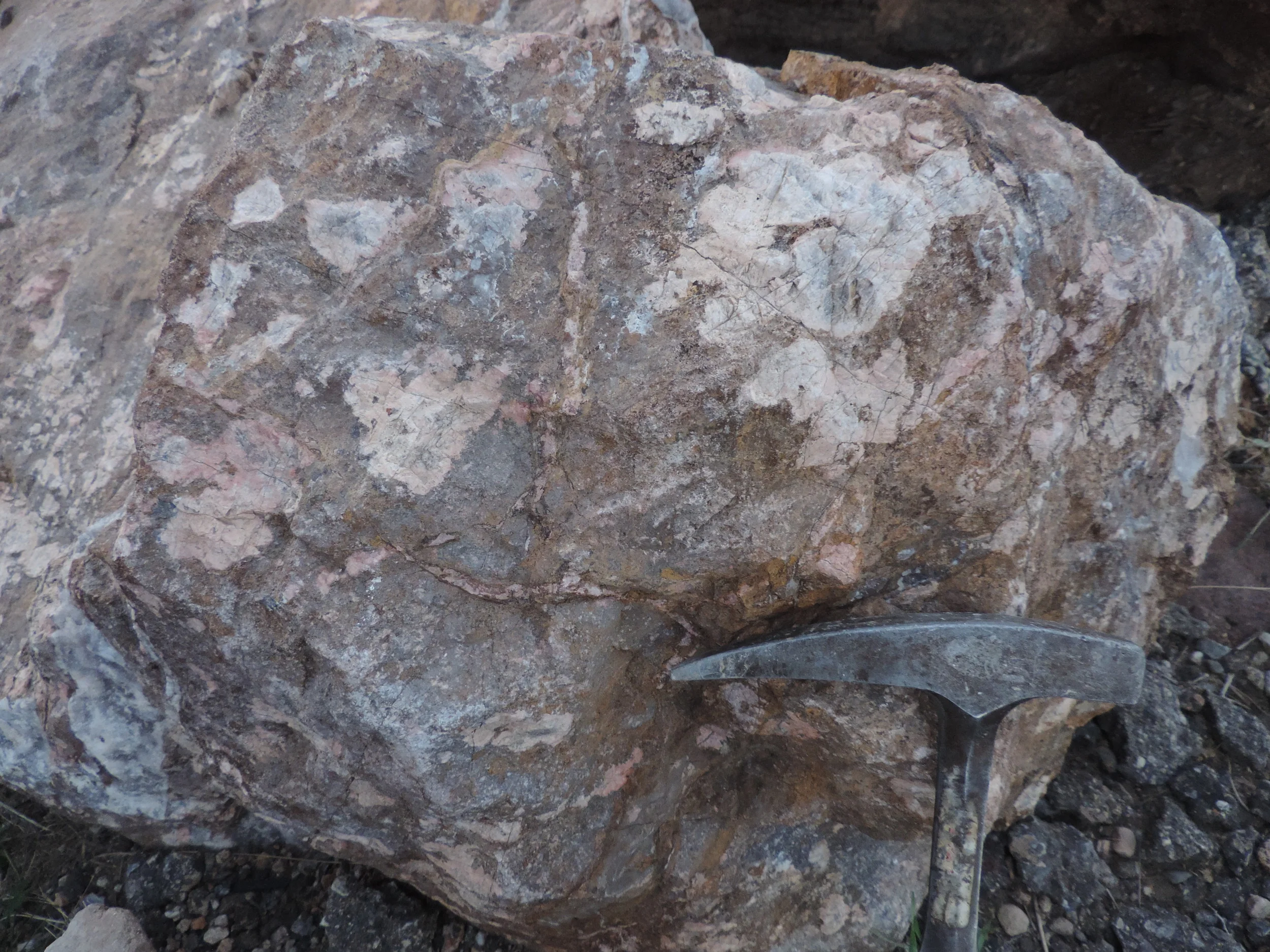
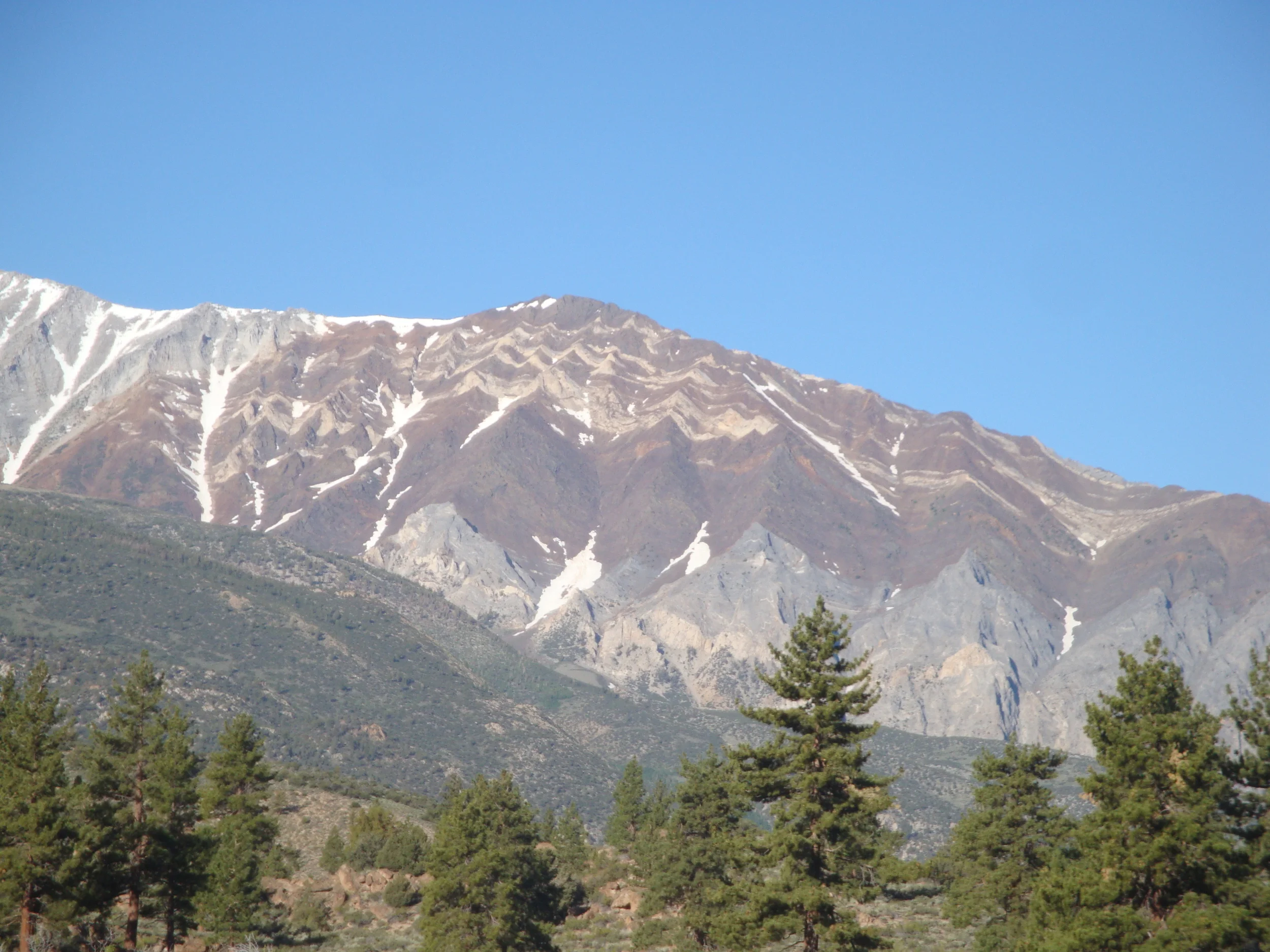
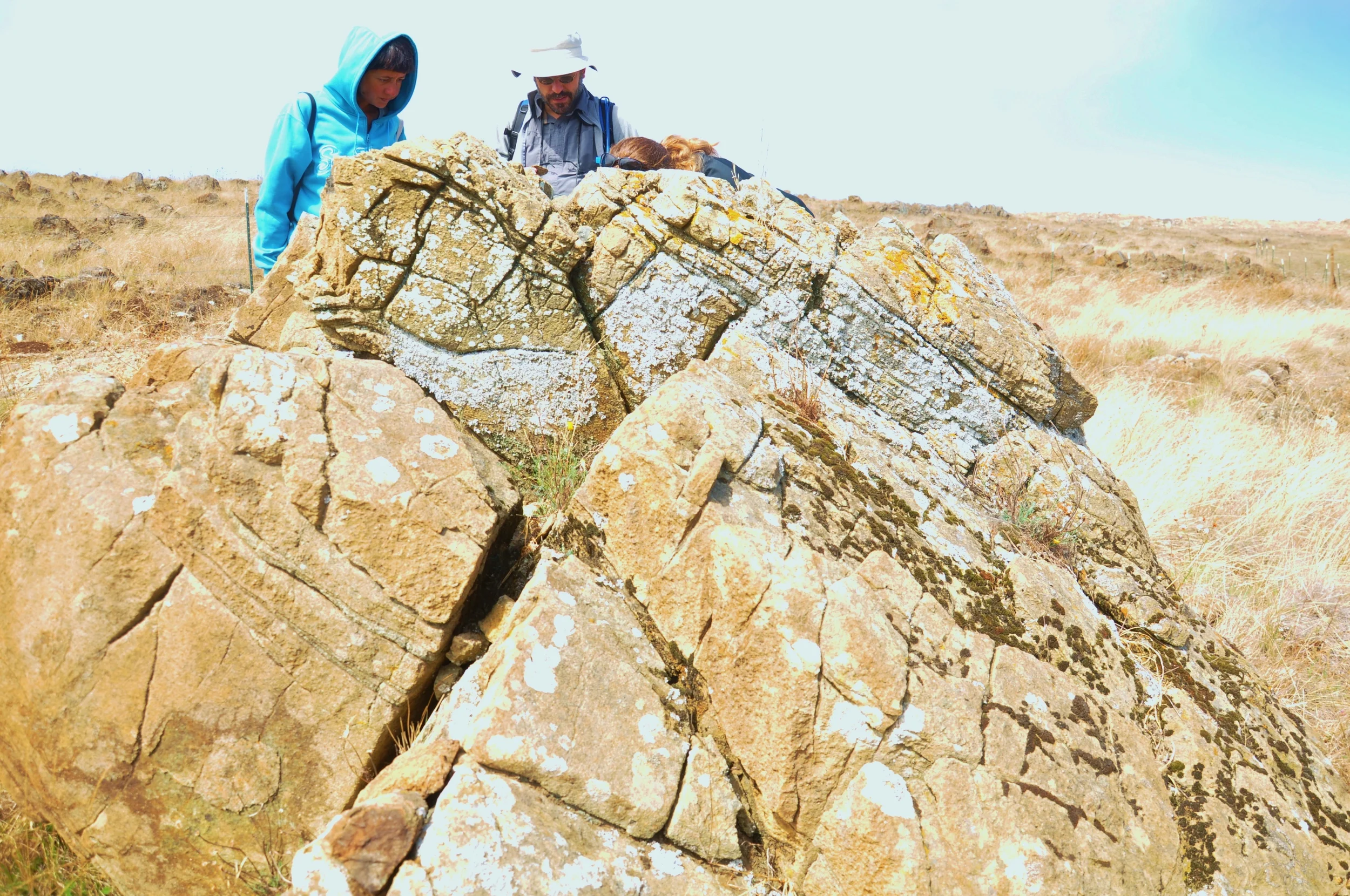
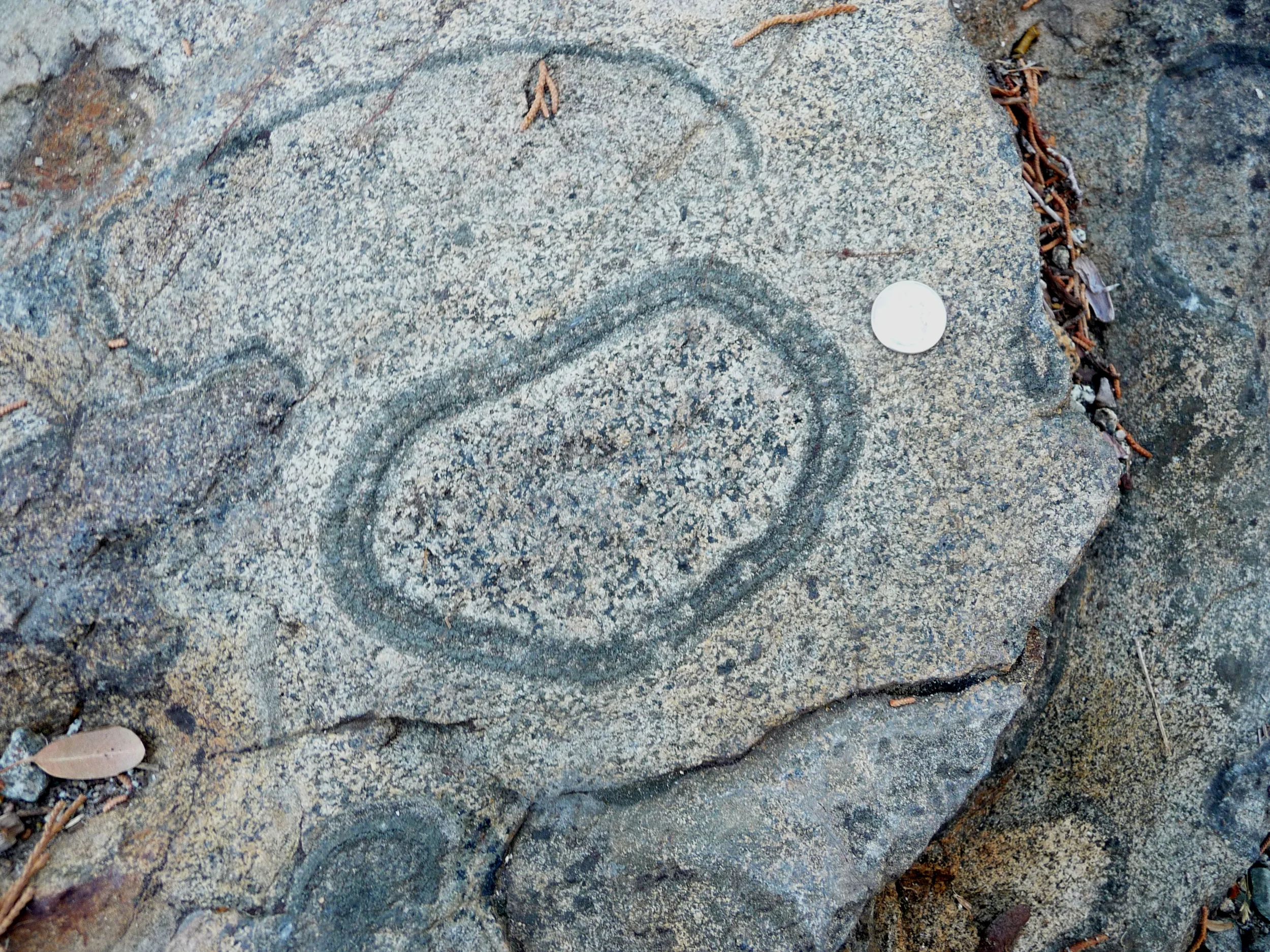
wallflowermysticyosemiteflamingolepidoliteteton

THE CHEMICAL, PHYSICAL AND NATURAL HISTORY OF THE EARTH


Cin-Ty A. Lee

Professor

phone: 281 250 3606
email: ctlee_at_rice.edu

CV – (click here)
misc
Department of Earth Science
Rice University
MS-126
6100 Main Street,
Houston, Texas 77005

Getting here


Interested in being a student or post-doct?
I am looking for someone who loves to make observations in nature. It could be on rocks, birds, plants, animals, fish, or even sounds in nature or from musical instruments.  If your significant other is your i-phone or worse, your i-pad, or if facebook is your emotional crutch, don't bother. 


RESEARCH INTERESTS

My main expertise is in igneous and metamorphic petrology and trace-element and isotope geochemistry.  However, my desire is to be a natural historian of the Earth. More specifically, I wed observations in the field and in the lab with theory to better understand the evolution of planetary bodies, the Earth's mantle and continents, the atmosphere, and the biosphere.  My tools are my eyes, the rock hammer, state-of-the-art geochemical facilities, mathematical modeling, and yes, old books and maps.  I am particularly interested in the Earth as a system, connecting the deep Earth to the atmosphere. 

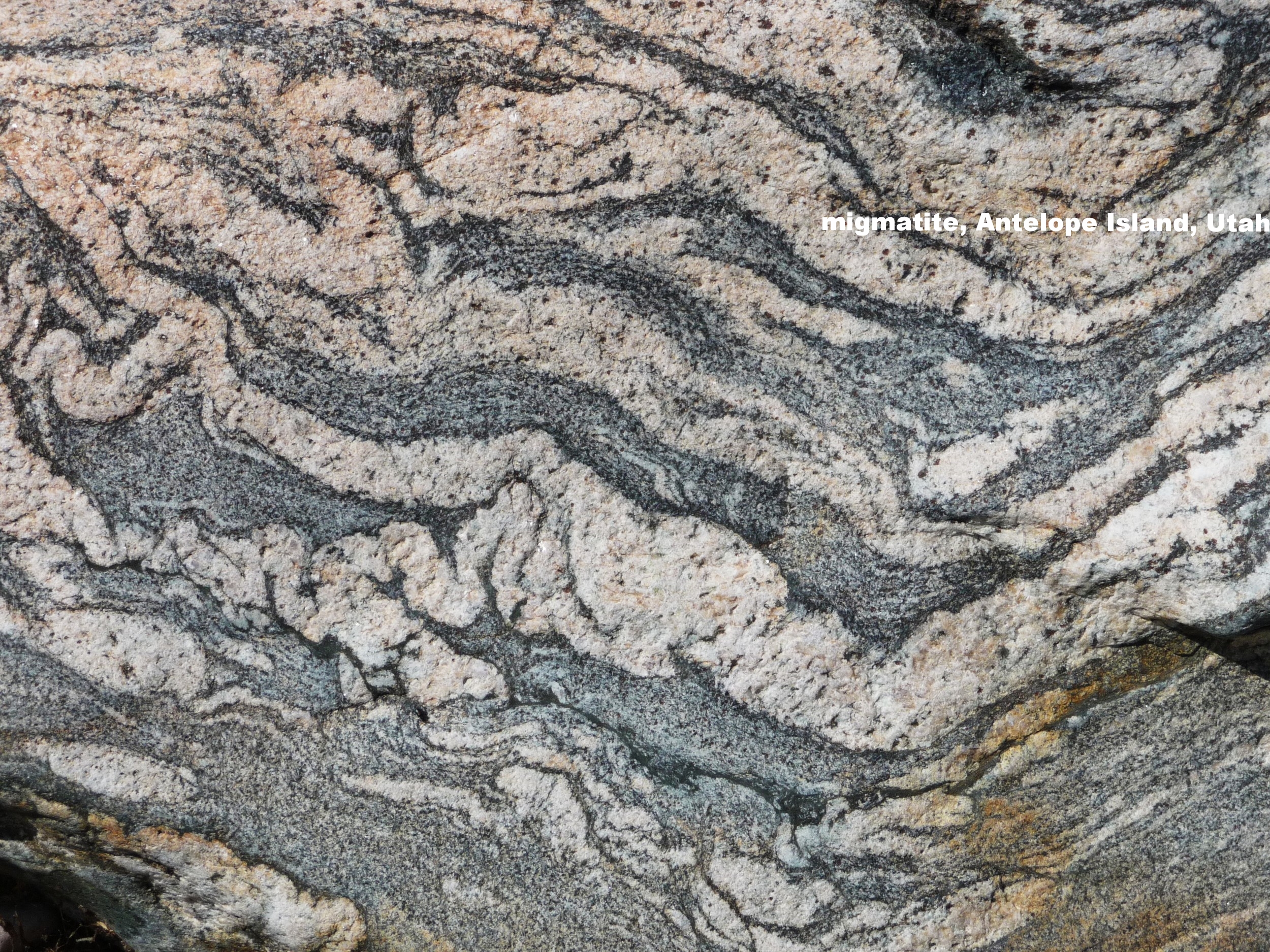
migmatite


sierraa


san carlos


galapagos


dana


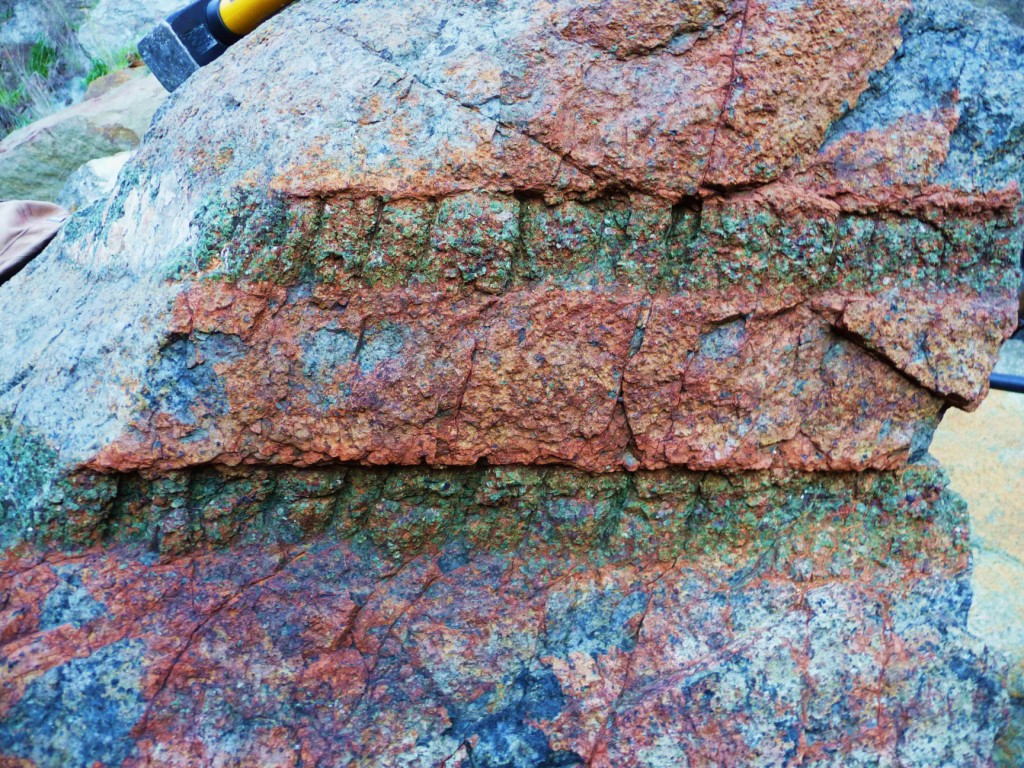
skarn


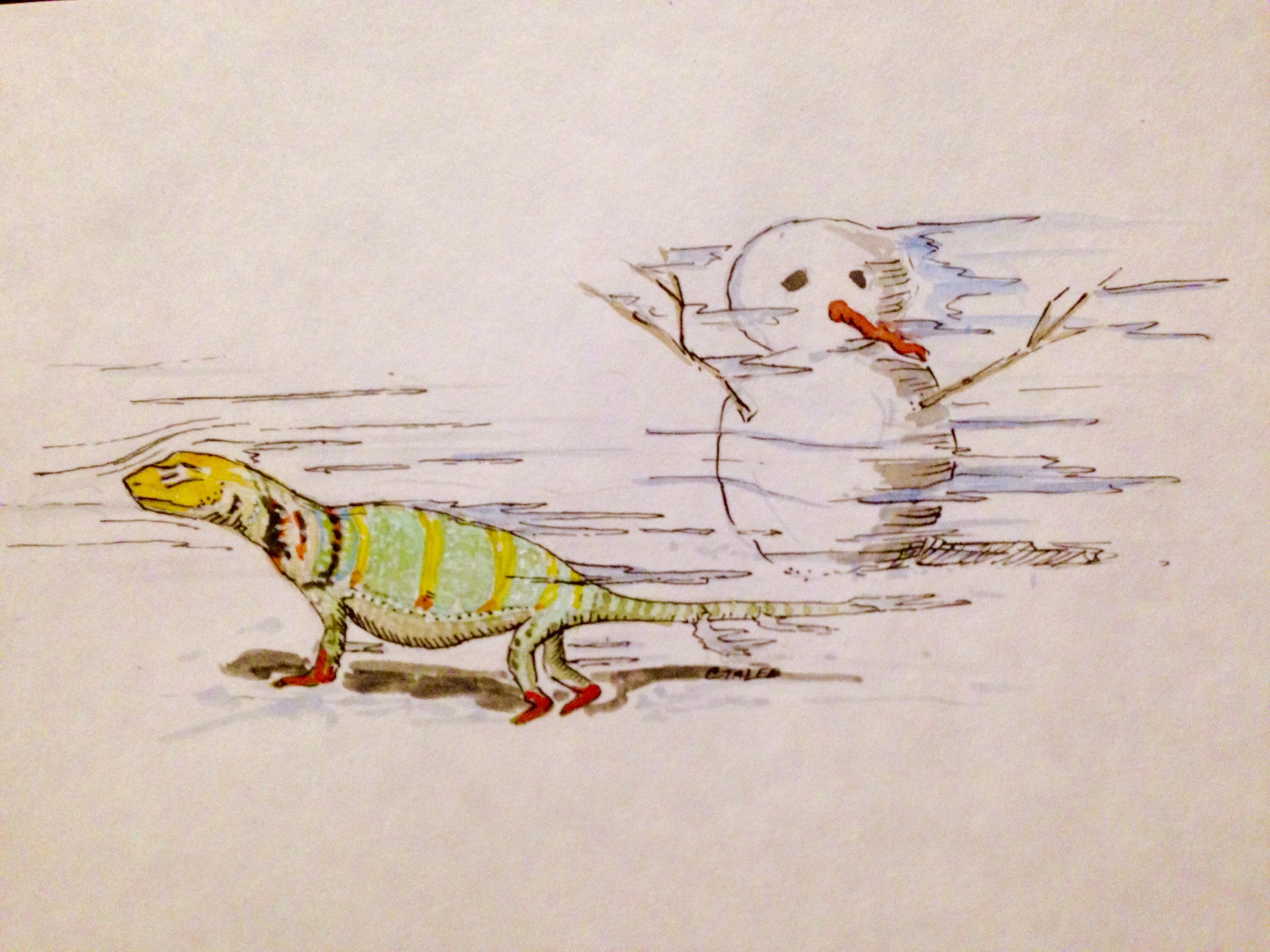
snow
The origin and evolution of continents.  The Earth's surface is made of continents and ocean basins. Continents ride high because they are thick and made of rocks that are chemically buoyant with respect to the upper mantle.  Continents are underlain by felsic crust, which are further underlain by chemically depleted residual lithospheric mantle.  What are the petrogenetic and tectonic processes that drive the chemical differentiation of continents? How have these processes changed in time? What are the geochemical implications of continent formation? Much of my work focuses on magmatic differentiation in volcanic arcs, arguably one of the dominant players in making continental crust.  We also examine the deep lithosphere of continents using crustal and mantle xenoliths.

Composition of the mantle and its evolution in space and time.  Extraction of continental and oceanic crust leaves behind a depleted mantle residuum resulting in net unmixing (differentiation) of the Earth.  Recycling of crustal and atmospheric components back into the mantle at subduction zones introduces small-scale heterogeneities, but in fact is a means of rehomogenization the mantle and crust (contrary to what most people say).  One of our goals is to investigate the compositional evolution and heterogeneity of the mantle.  Most studies currently focus on isotopic heterogeneities in the mantle, e.g., the mantle "zoo".  However, our approach is to focus on major-element heterogeneities because the major-element composition dictates the mineralogy and hence physical properties of a rock.  Towards these ends, we are marching through the first row transition metals, all of which are compatible to moderately incompatible during melting, as tracers of mineralogy in the source.  This information allows us to estimate the elastic properties and densities of mantle rocks so that geophysicists can be interpret seismic observations.

Lithosphere-asthenosphere dynamics.  The nature of the lithosphere-asthenosphere boundary and how it evolves with time is critical to understanding the stability of continental and oceanic boundary layers, and more generally, the nature of plate tectonics.  A key parameter in defining the lithosphere-asthenosphere boundary is the temperature of the asthenosphere and base of the lithosphere.  We are developing new tools for estimating the temperatures and pressures of primitive magmas in an attempt to map out the thickness of the lithosphere in tectonically active environments, such as western North America, northeast China, and the western Mediterranean. Specific questions are how fast do continents rift, do continents delaminate during orogenies, and do small-scale convective instabilities efficiently erode the lithosphere?

Redox evolution of the Earth.  The Earth's oxidation state is vertically stratified, consisting of a highly oxidized atmosphere and a reduced deep-interior, collectively bounding an uppermost mantle with intermediate oxidation states.  The Earth's atmosphere, however, was not always oxidized, and there is considerable debate over whether the upper mantle's oxidation state has increased or decreased with time.  Regardless of how Earth's redox has changed with time, the fact that the Earth is redox-stratified means that the interfaces between these layers are characterized by strong voltage differences. The Earth is esentially a charged battery.  We are developing tools based on transition metal geochemistry to quantify the oxidation states of ancient magmas and their mantle source regions.  We have so far focused on V, Sc, Zn, Fe and Cu.  We are deeply interested in the redox evolution of arc magmas.

Economic Geology, Mineral Resources, and Petroleum.  Because of our interests in redox and first row transition metals, we have naturally begun to work on the origin of ore deposits.  Ore deposits are fundamentally mysterious.  They are a paradox in their own right.  In order to form an ore deposit, trace metals from a vast region of the Earth must be scavenged and then concentrated in a very small volume. Thus, these metals must first be mobilized and then immobilized.  The perfect convergence of conditions is ultimately related to redox.  We are presently most interested in the origin of Copper porphyry deposits.  Do they ultimately come from oxidized sources? Why are they so rare when arc environments are thought to be highly oxidized?  Why is there so little Copper in the continental crust?  We are also interested in what makes certain time periods in Earth's history ideal for generating hydrocarbon source rocks, and are currently developing new models.  Finally, we have started working on the origin of unconventional rare earth element (REE) deposits as well as new, environmentally conscious ways of recycling REEs. 

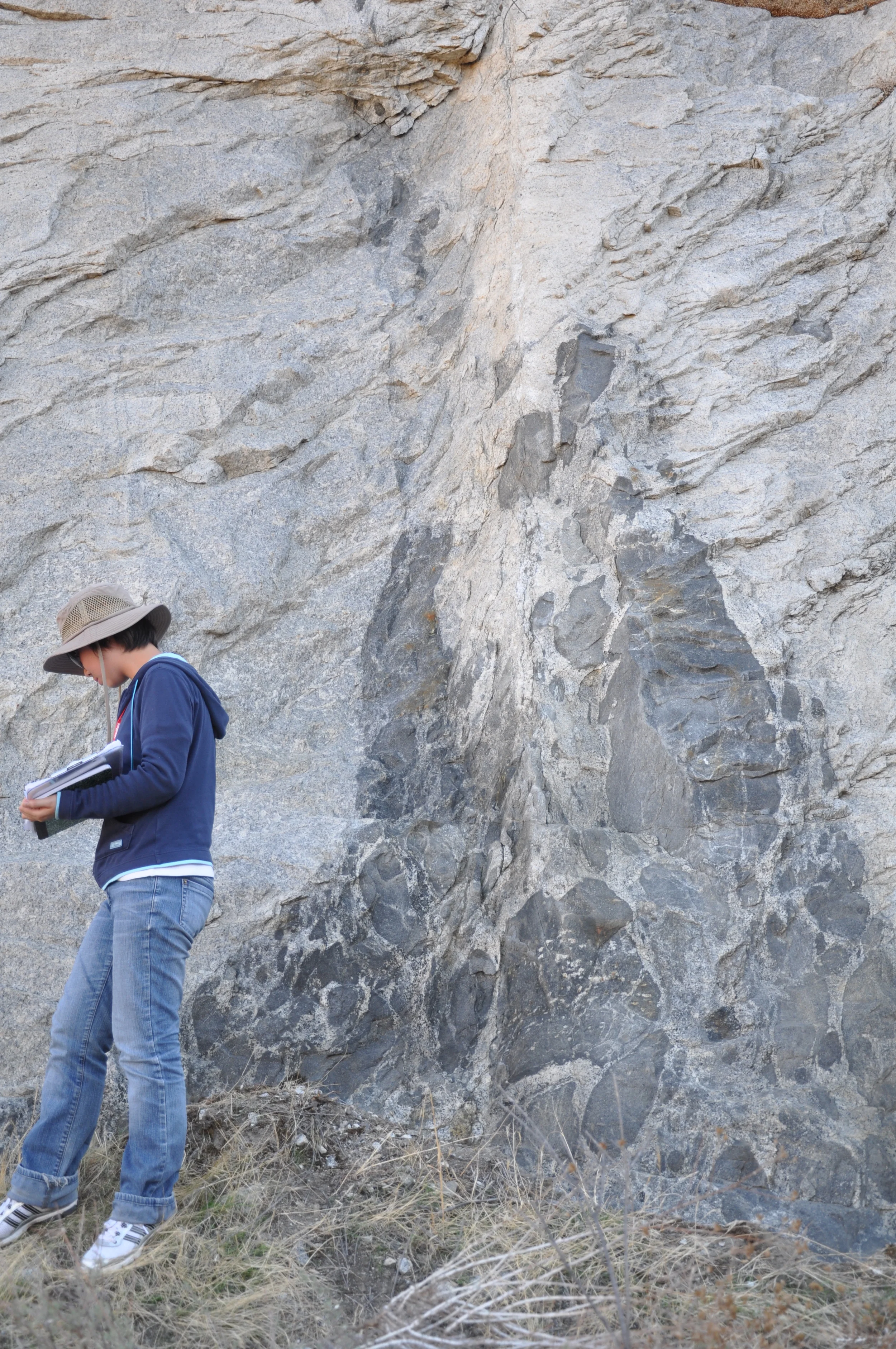
Volcanology and magma differentiation. What physical processes govern the composition and emplacement characteristics of magmas?  Why do some magmas erupt and others intrude to form plutons?  What processes govern the compositional diversity of magmas?  Are there fundamental differences between erupted liquids (lavas) and intrusive liquids (magmas)? What proportion of continental crust is built by intrusive compared to extrusive volcanism?  How can we wed petrology and geochemistry with the physics of magma mingling, crystallization and wallrock assimilation? We are currently studying several field sites to address these questions.


climate
Long-term climate change. The Earth's atmosphere is to a large extent "buffered" by the Earth's interior.  For example, over long (>1 My) timescales, volcanic and metamorphic degassing are the main inputs of CO2 into the atmosphere while chemical weathering and organic carbon burial are the main outputs of CO2.  We also know that the Earth does not give up free O2 because all O2 is bound up in silicate or oxide minerals (e.g., rocks!).  Atmospheric O2 comes ultimately from reduction of CO2 to CH2O, liberating O2 in the process.  Thus, the O2 budget of the Earth's atmosphere is controlled by the CO2 cycle, which itself is controlled by the composition and frequency of volcanic eruptions. All of this together must be intimately linked to the thermal and dynamic history of the Earth's interior, the origin and evolution of continents, and the origin of life.  This is what interests me the most right now.

oriole shrooms  great gray 
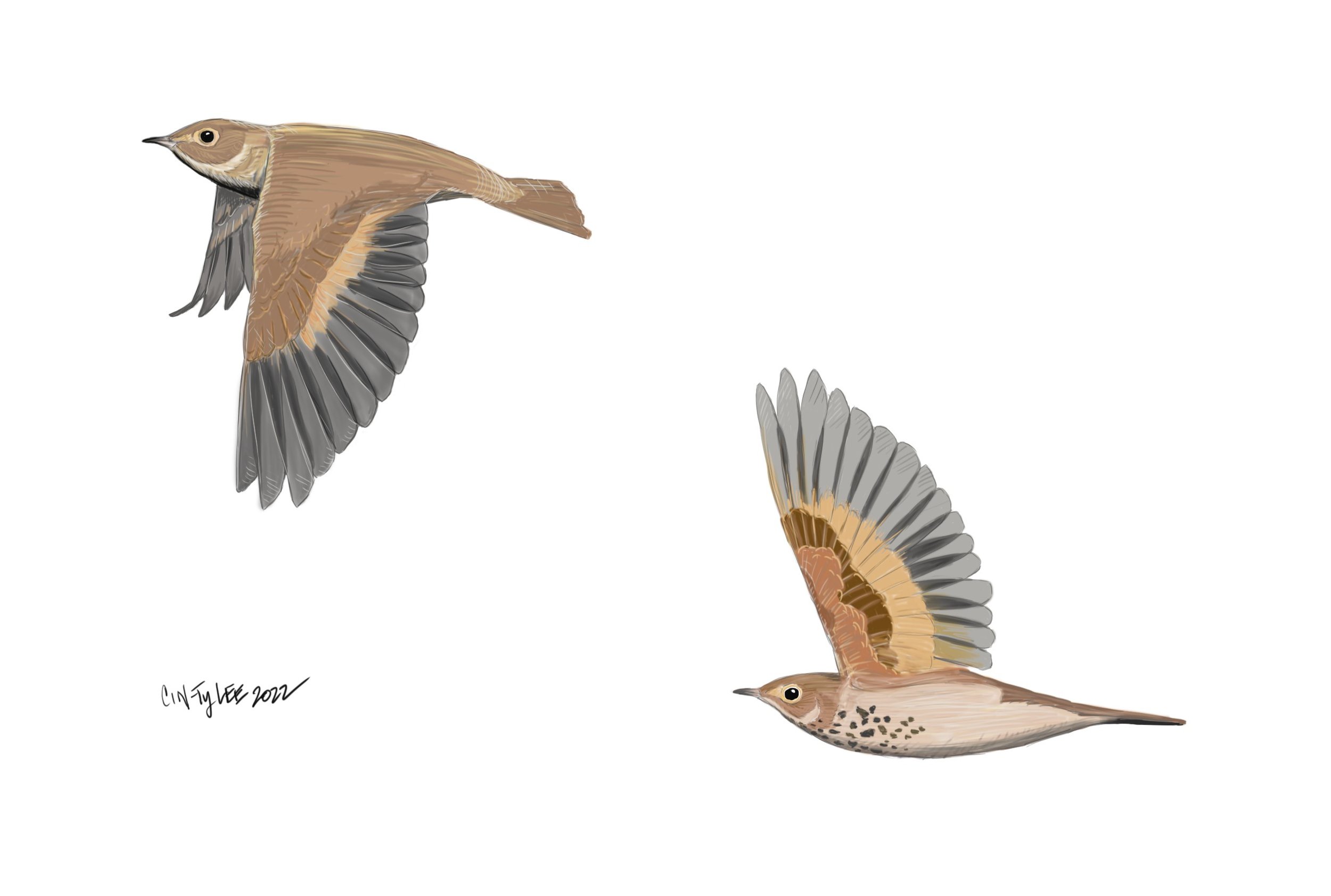
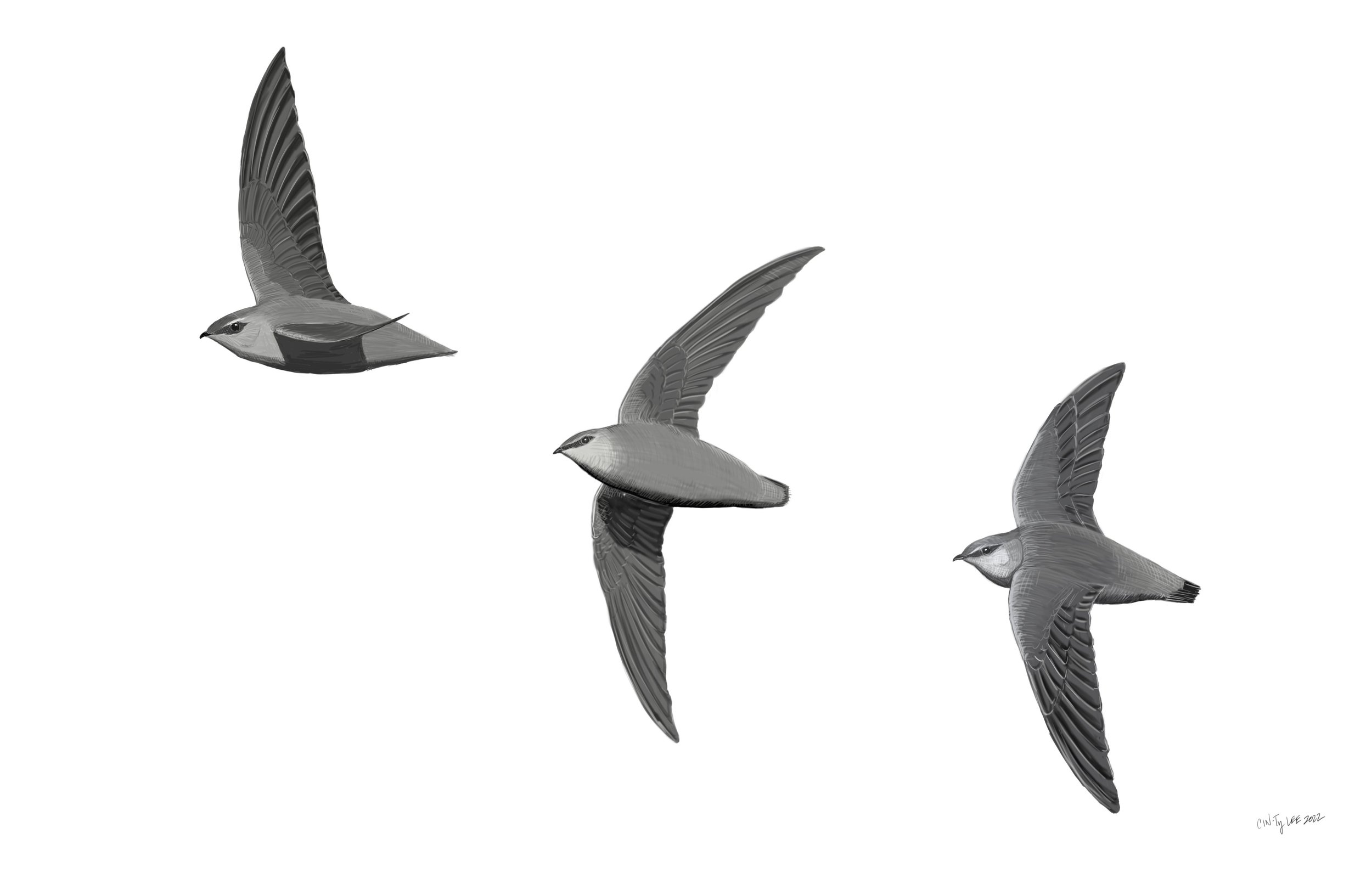
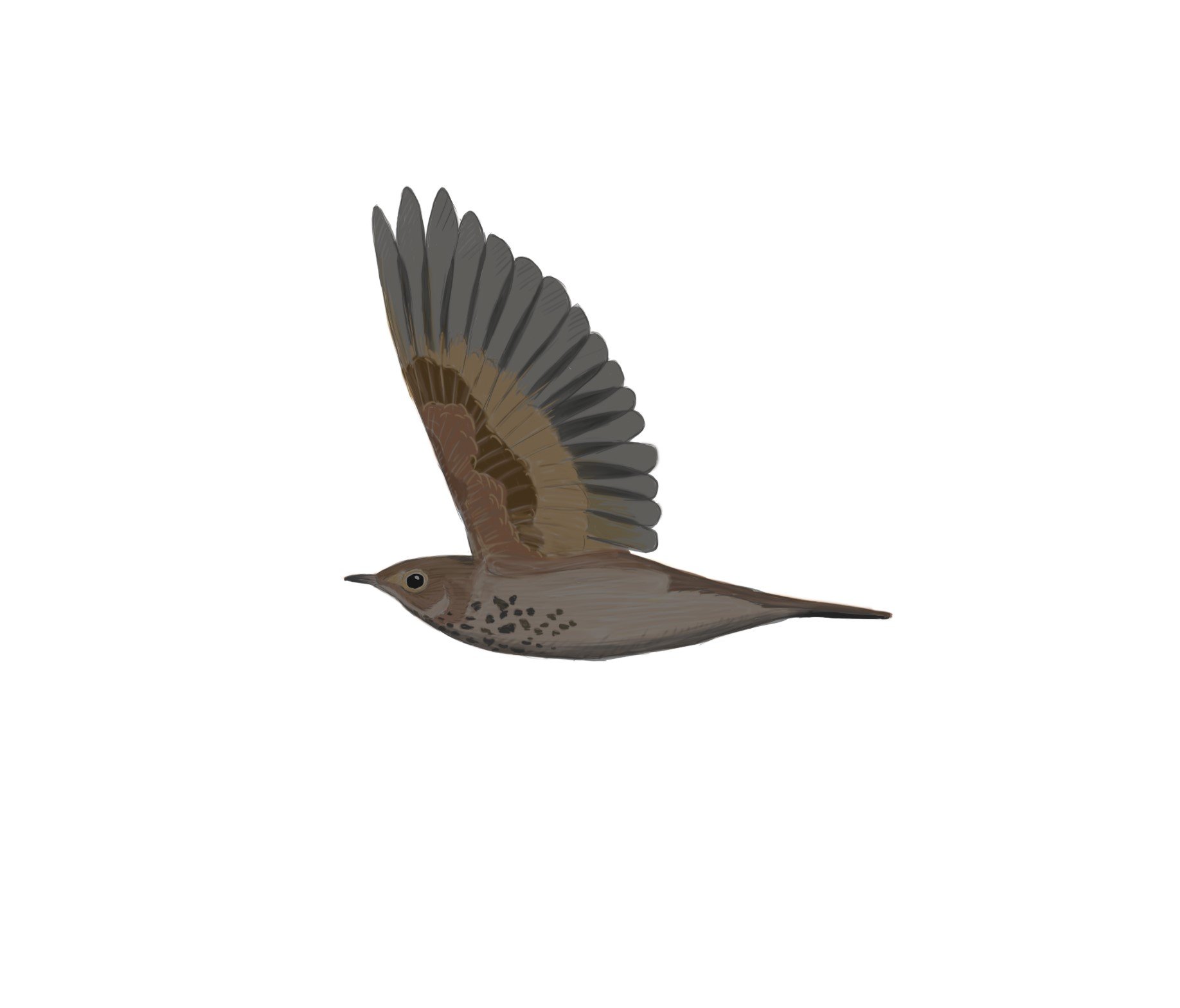
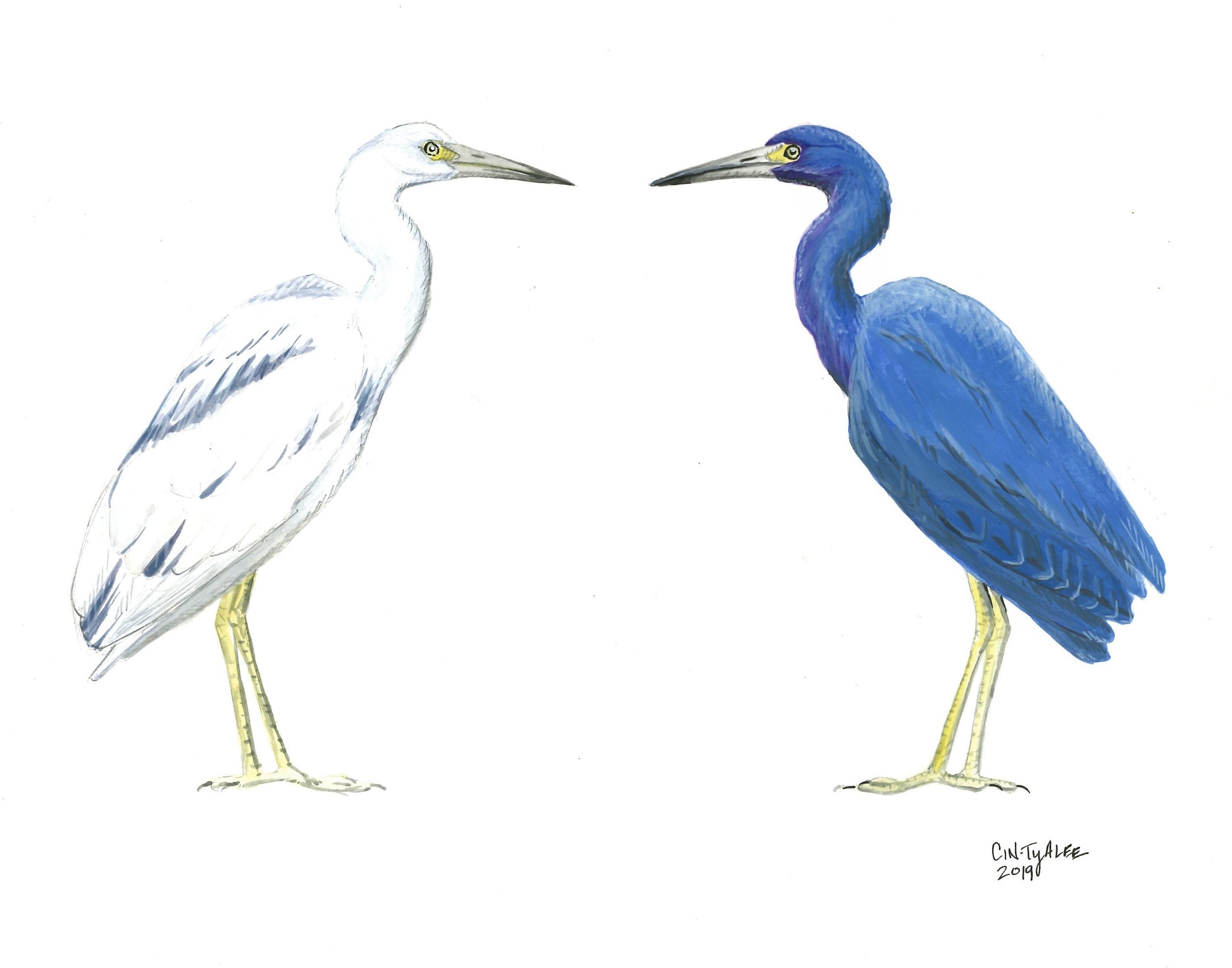
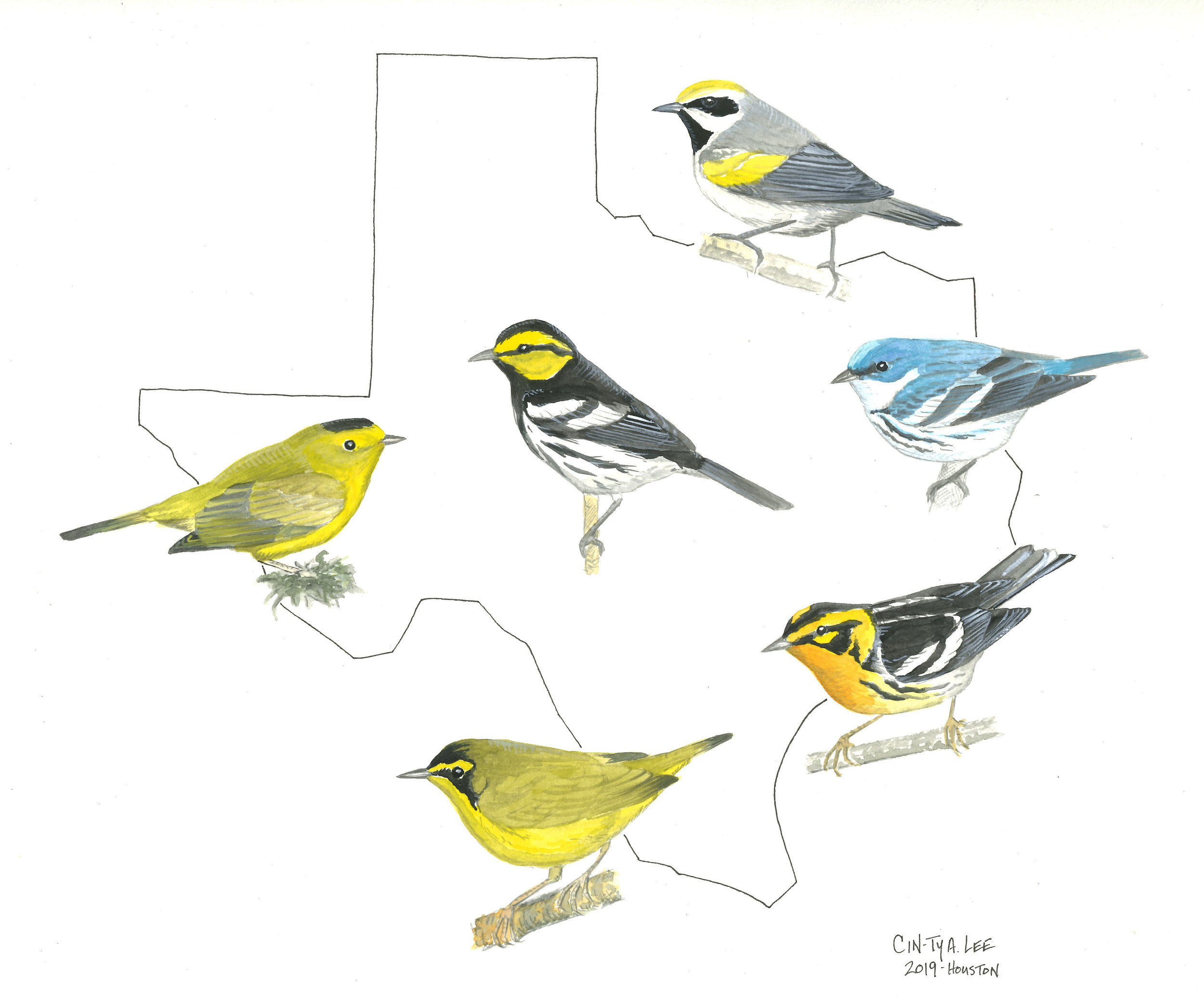
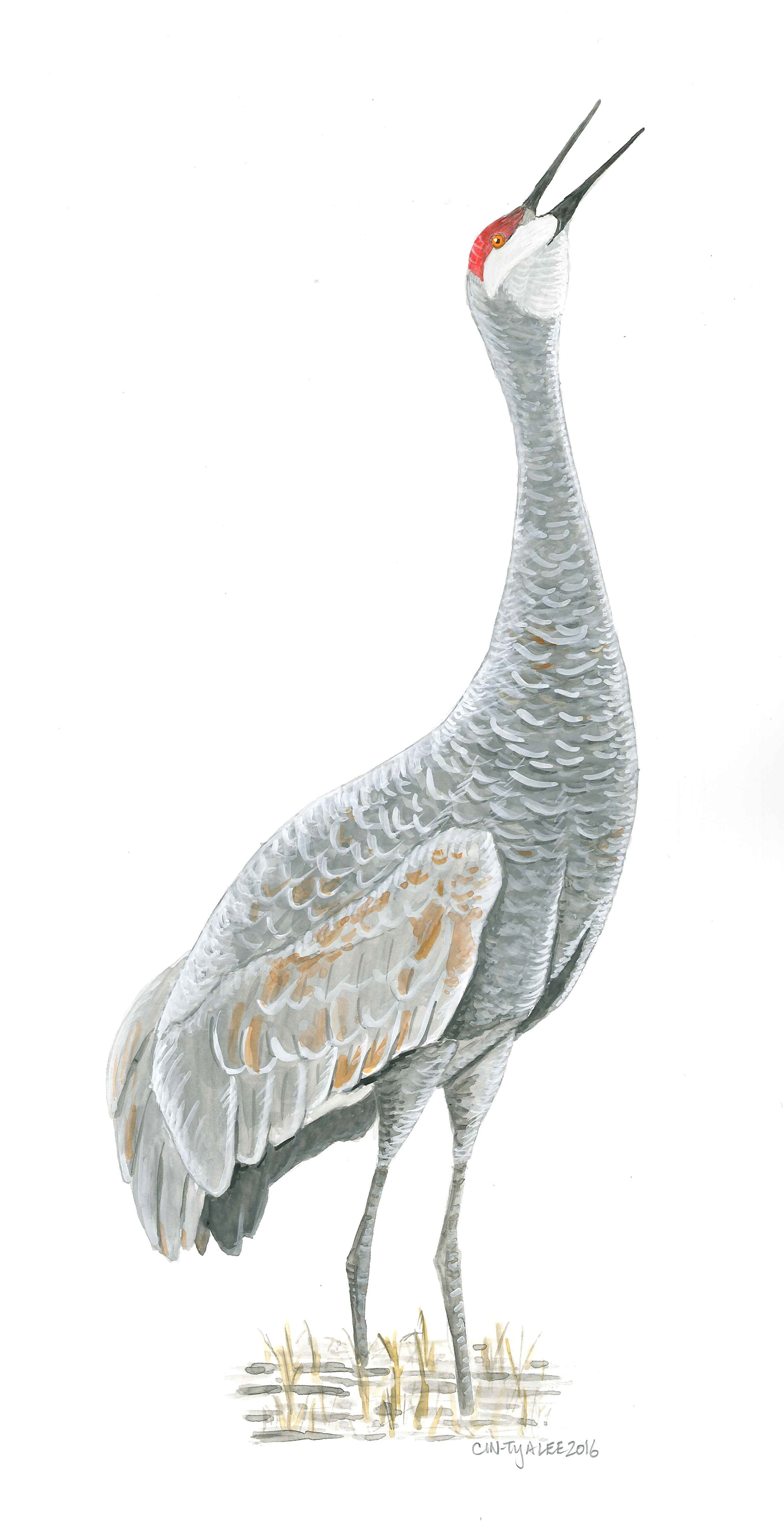
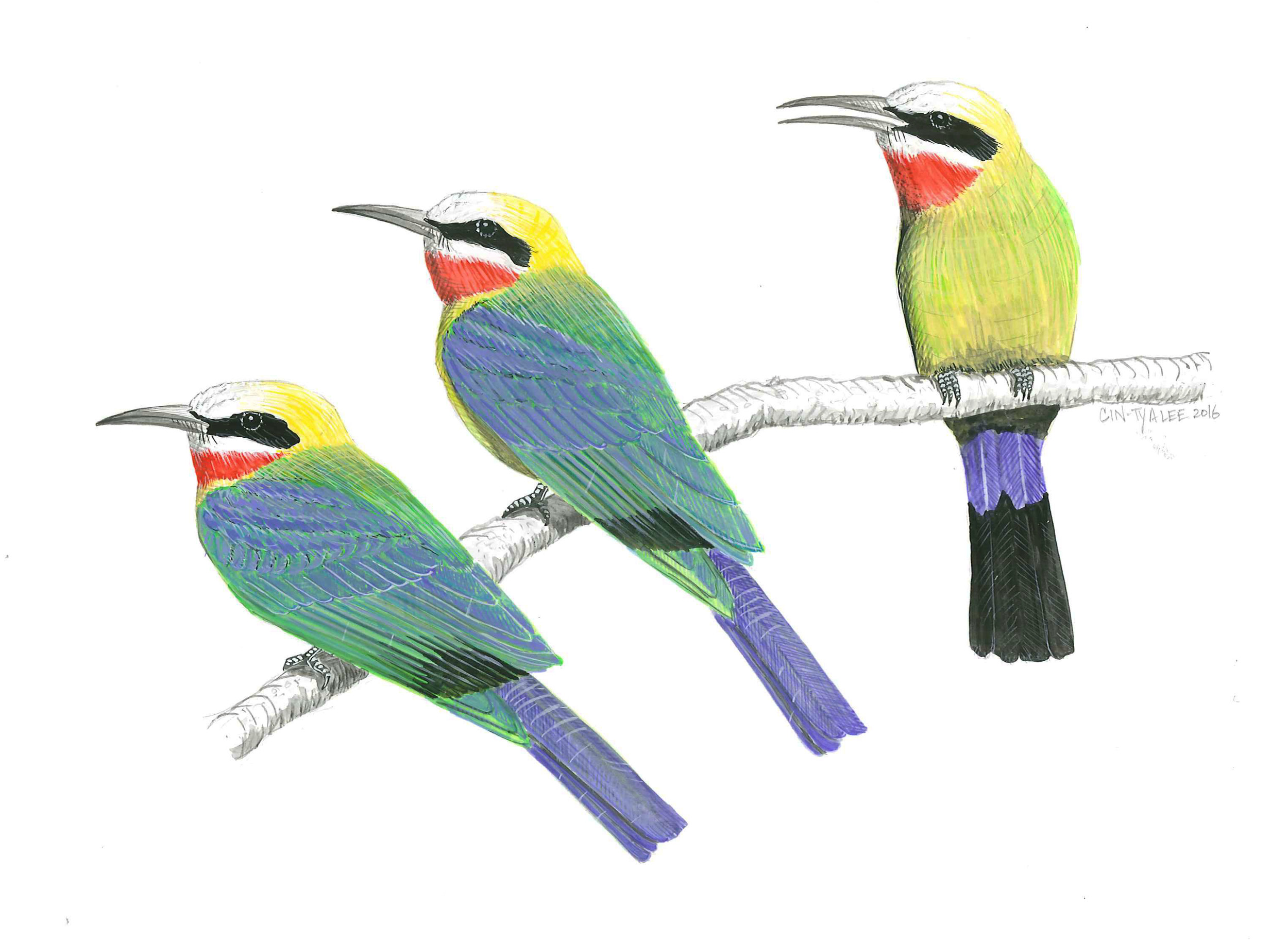
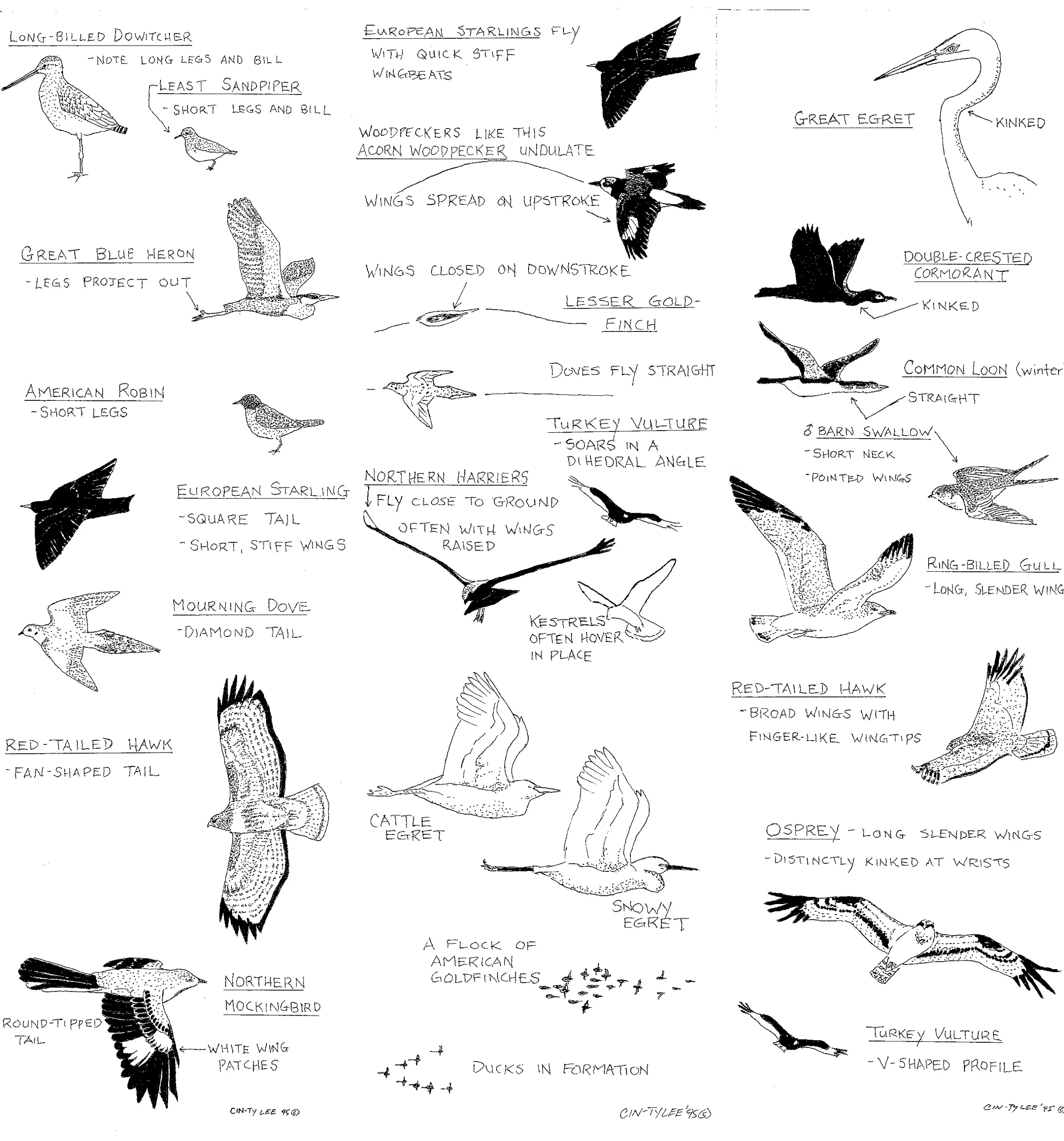
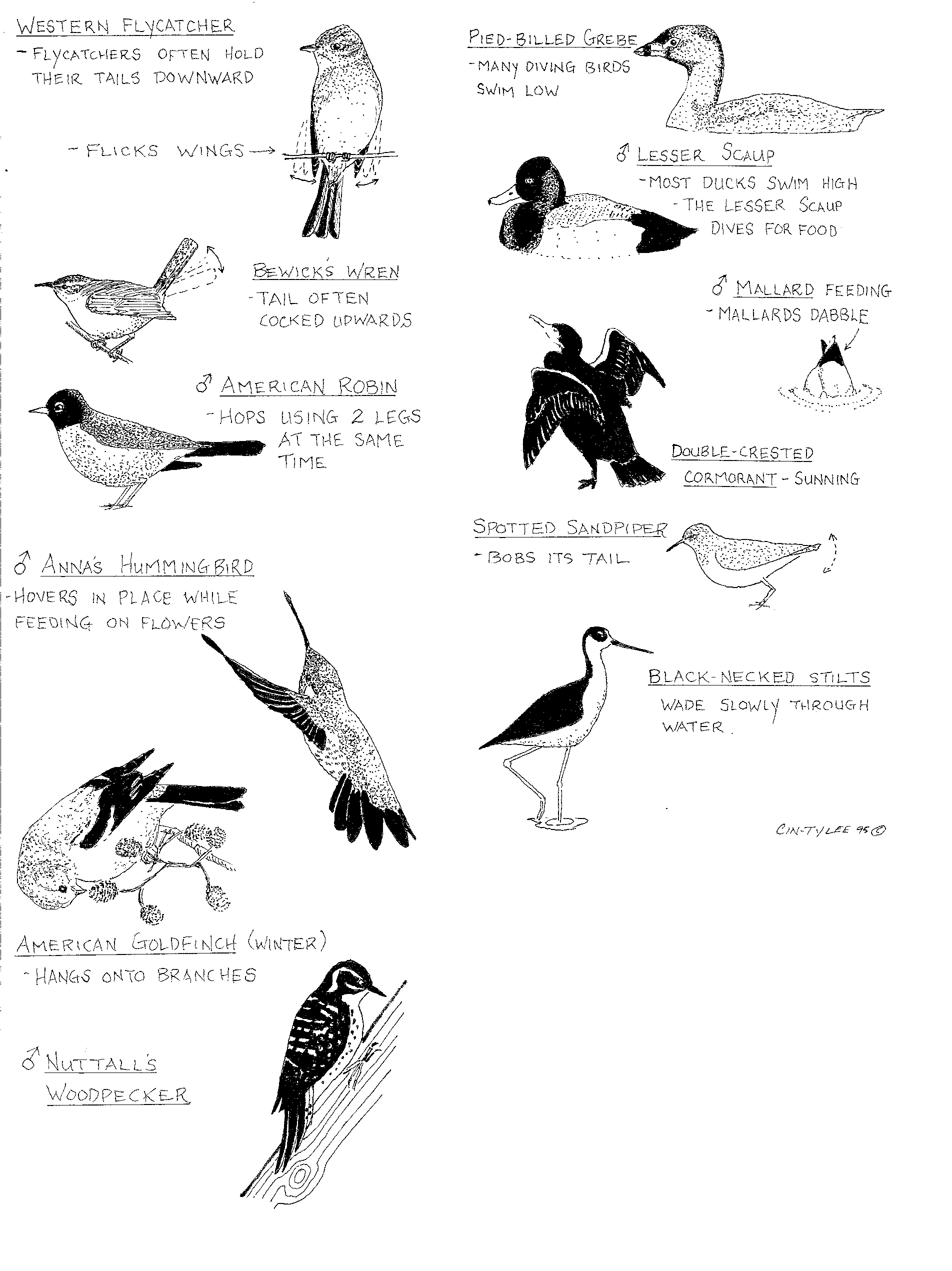
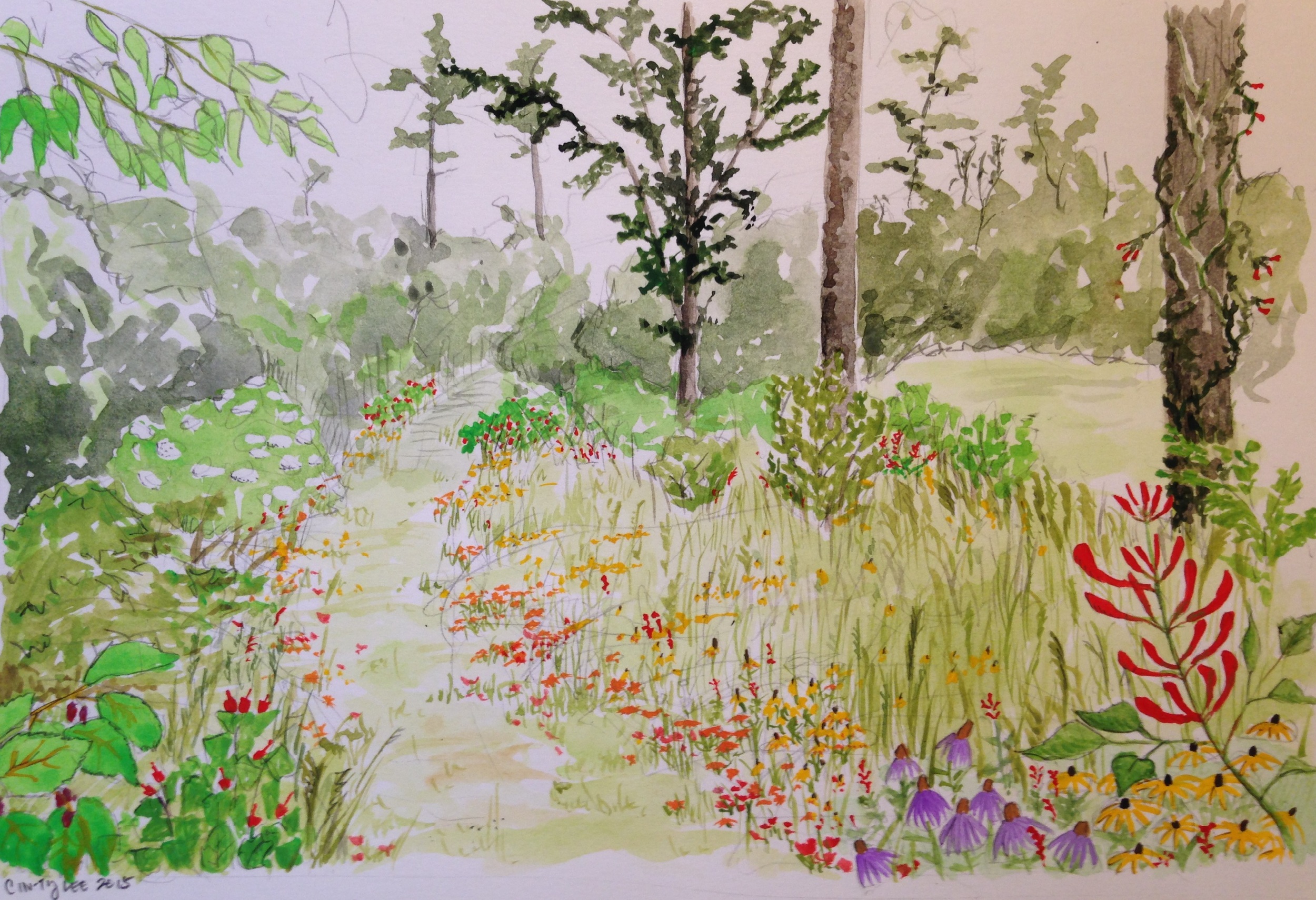
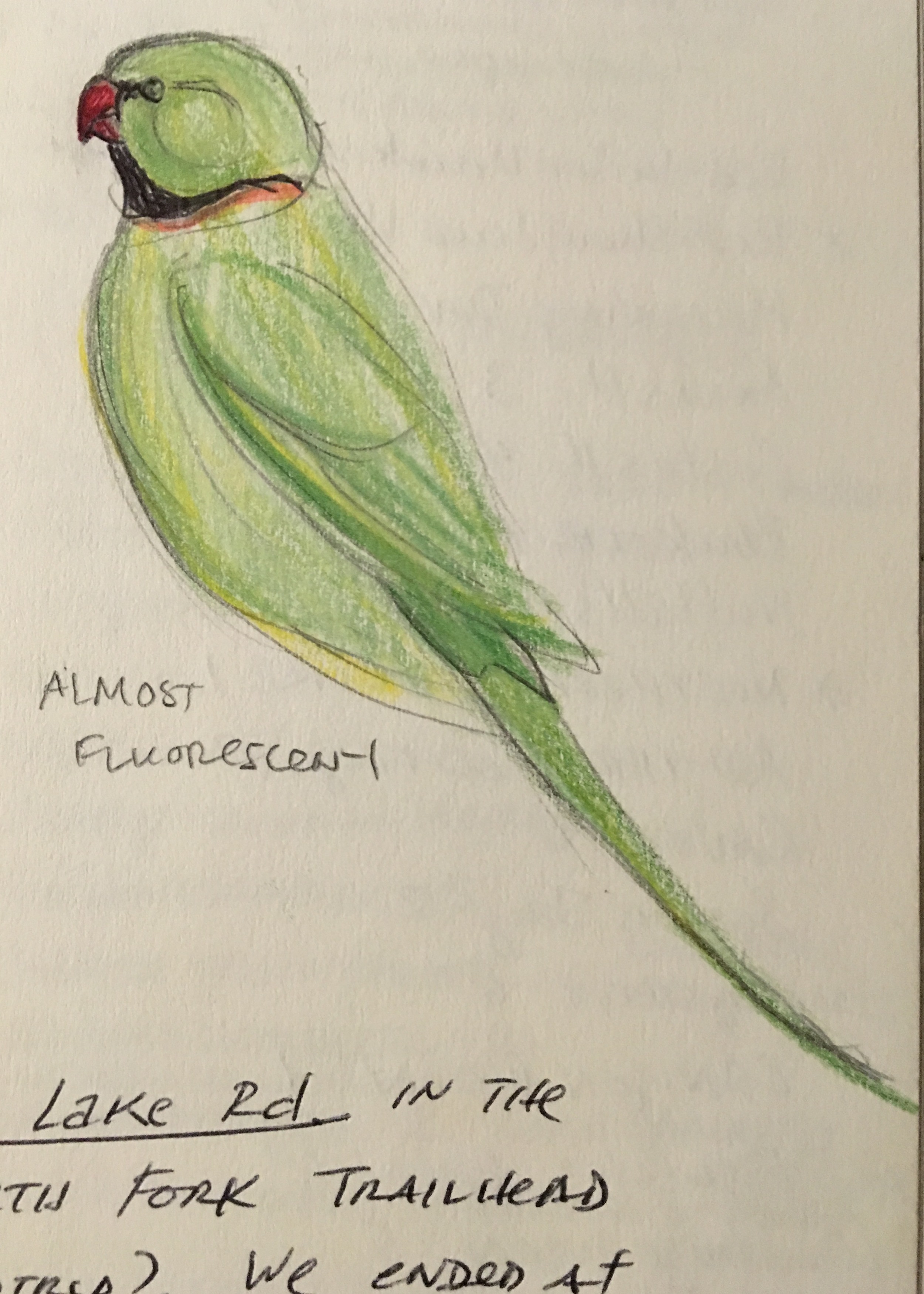
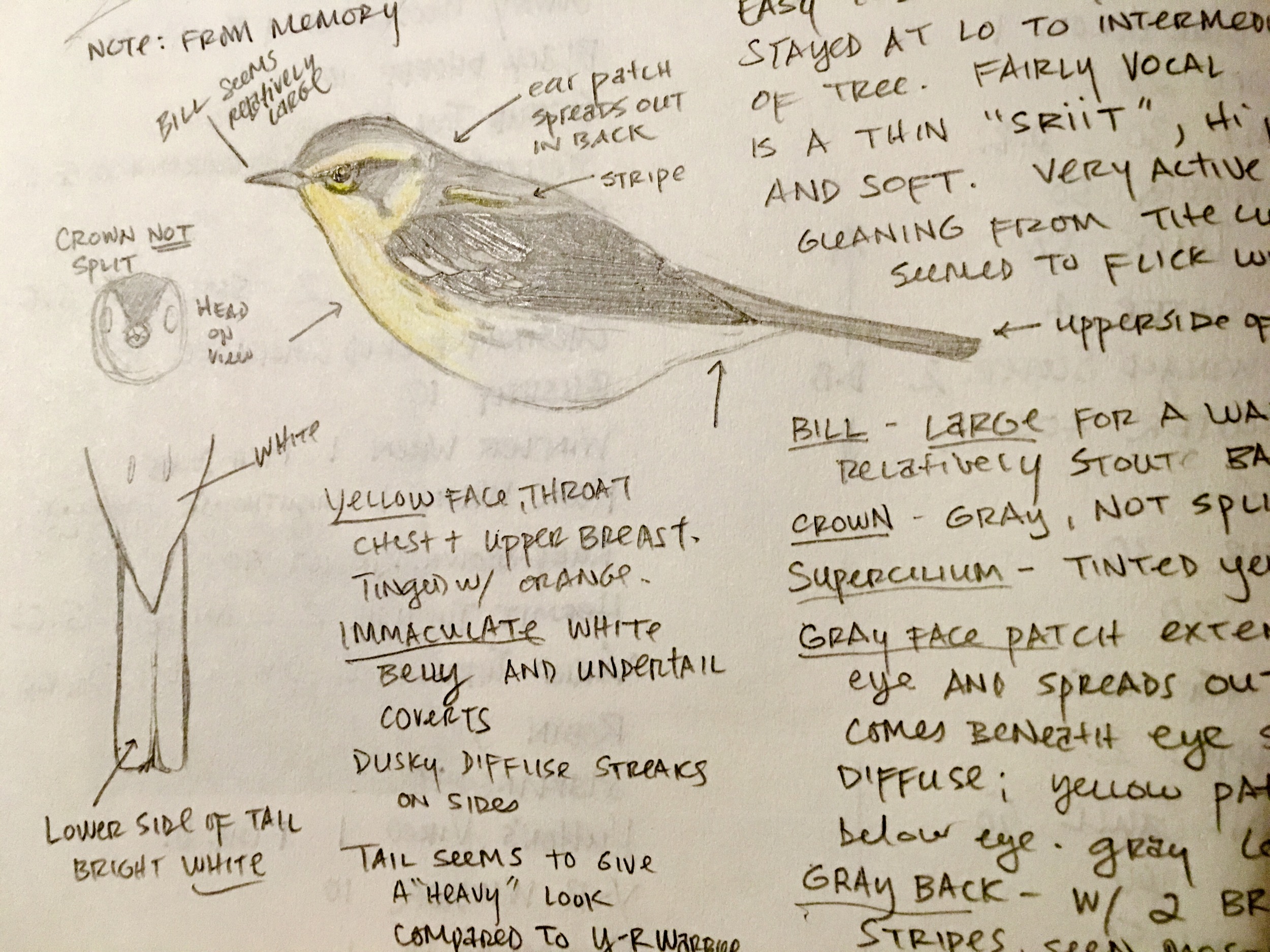
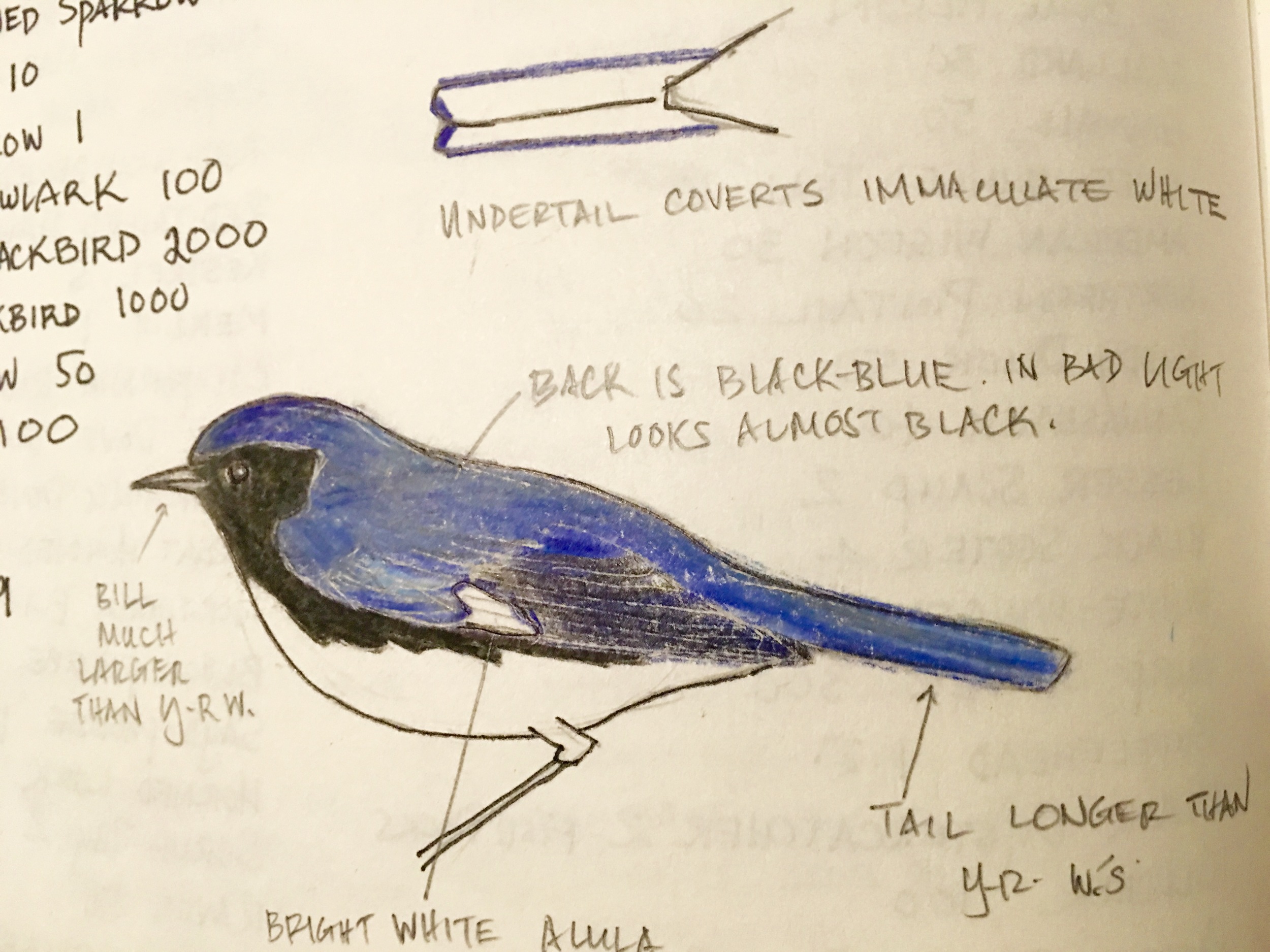
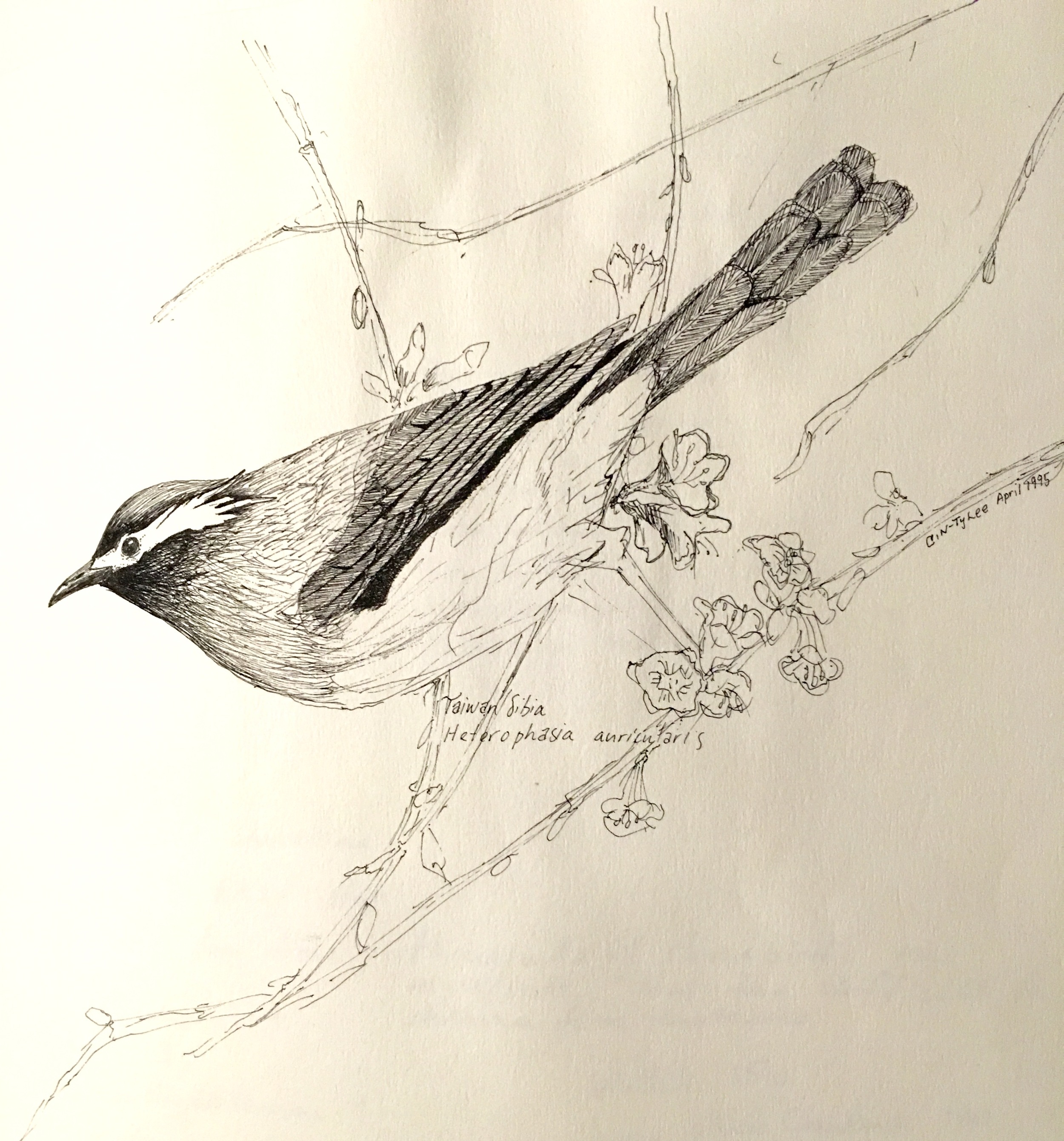
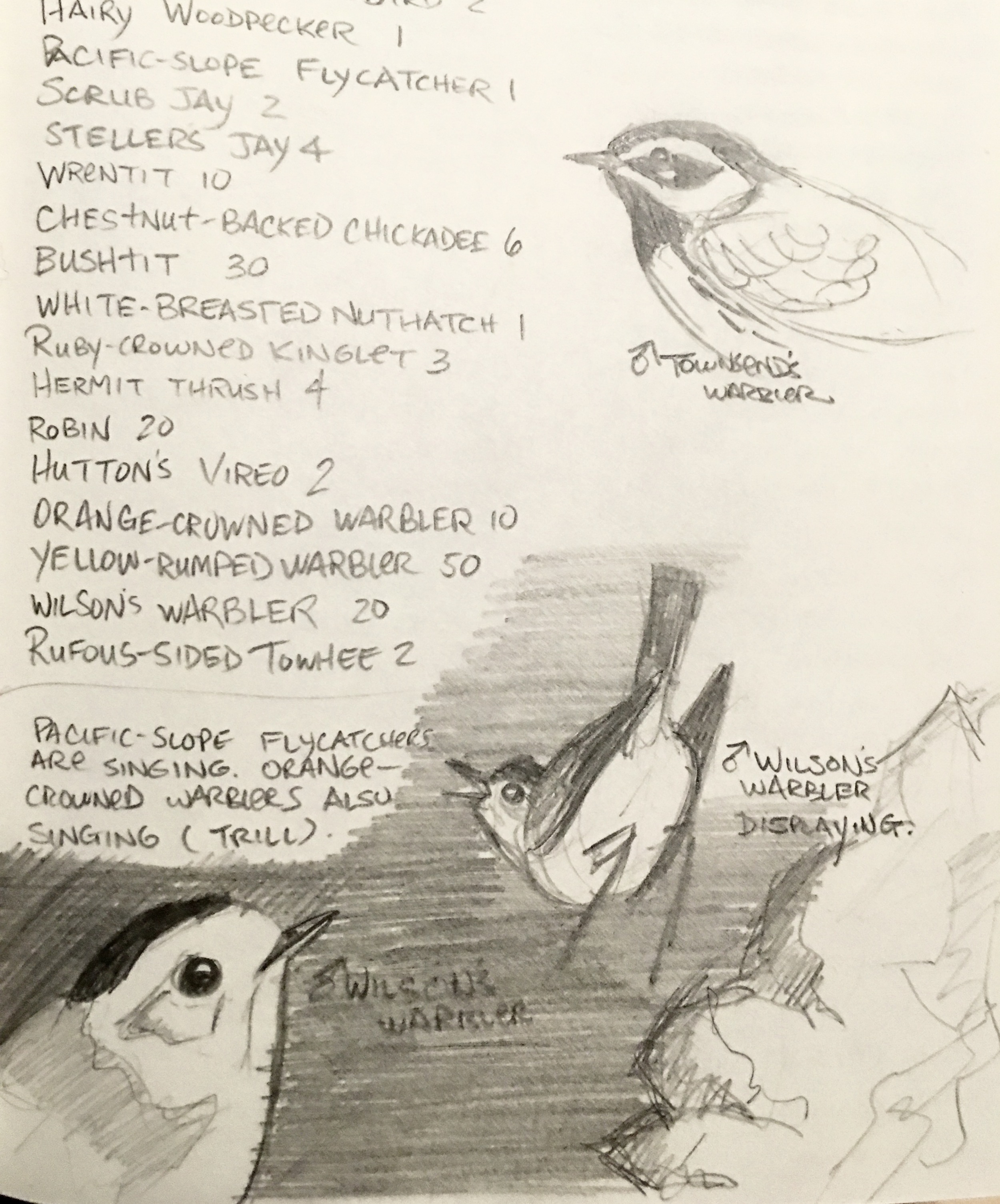
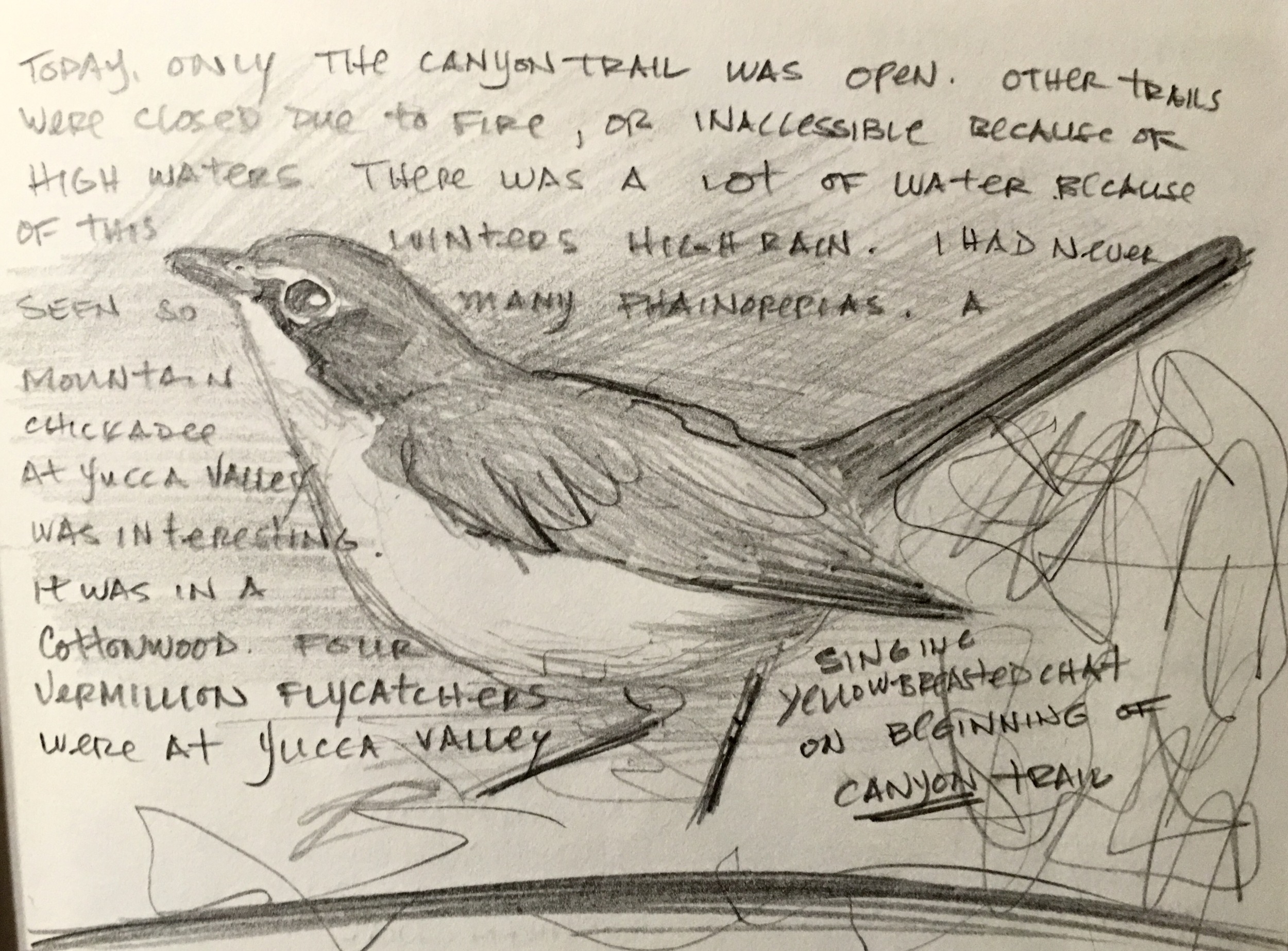
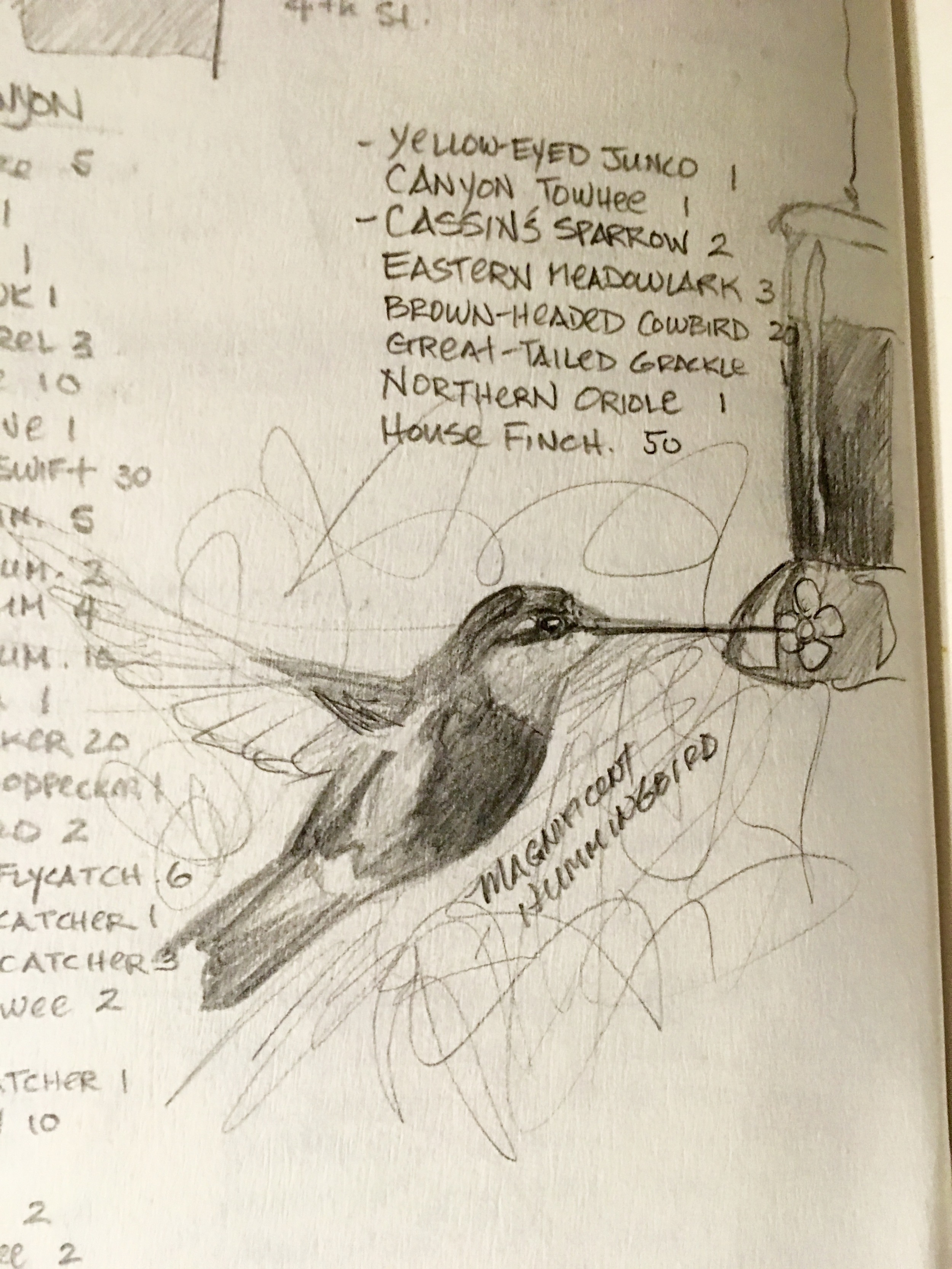
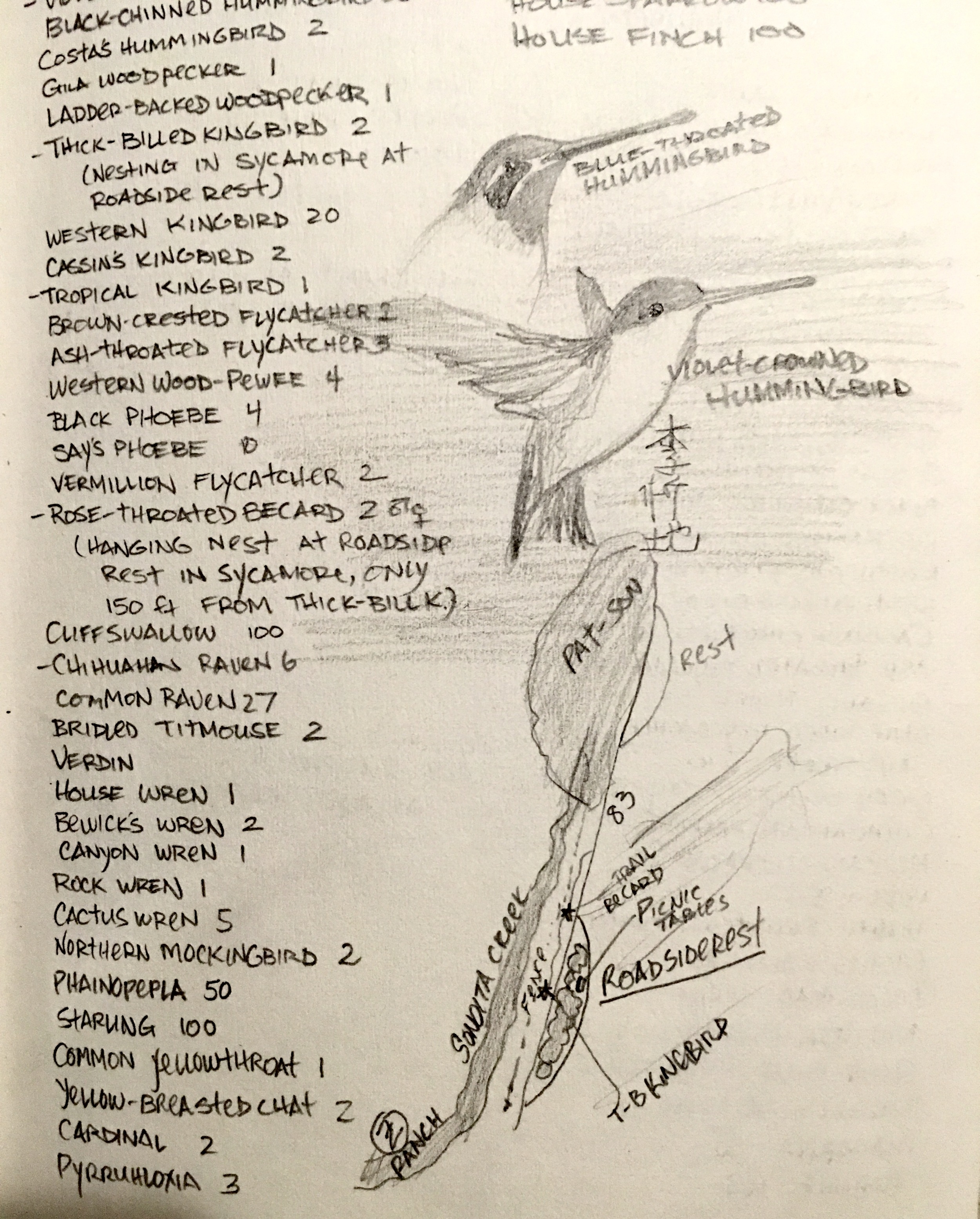
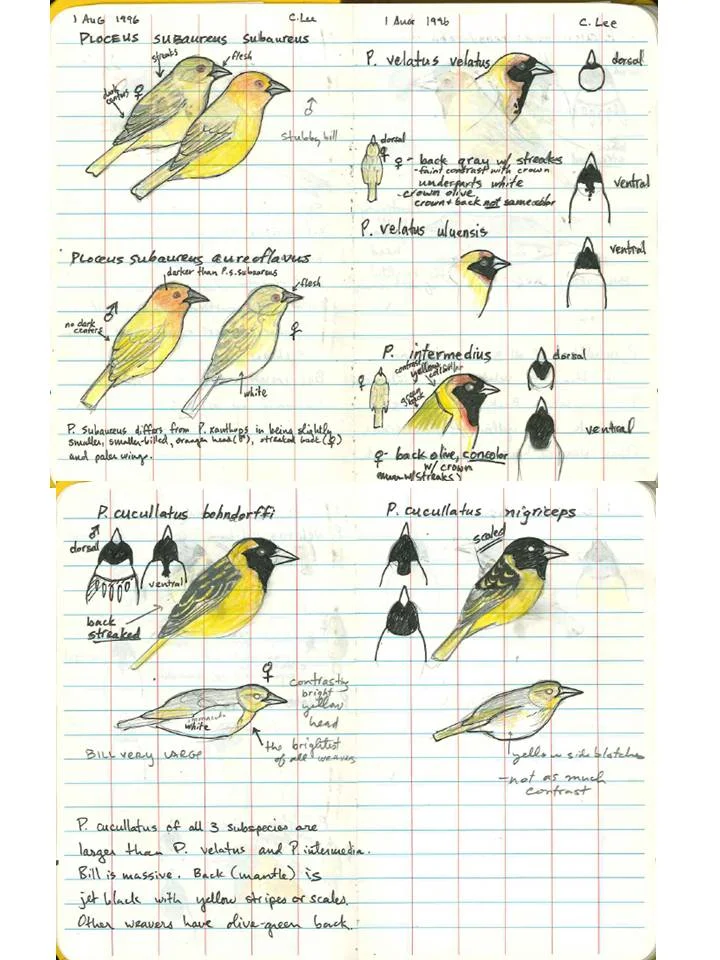
Evolution and ecology. My favorite past-time when I'm not getting paid is field biology and ecology.  I am interested in ornithology and to a lesser extent botany.  I conduct natural history surveys in Texas and other places I happen to visit. I am also interested in the evolution of species and how this relates to the history of our planet. I do not formally take students to work with me on these endeavors because we do this only on our spare time.


Reading groups/Field Trip Materials
2002   Geochemistry
2003 - Geochemistry
2009   New Mexico
2009   California
2010   Geology of Rockies

2011   Yerington Porphyry Copper Deposit, NV
2011   Peninsular Ranges Batholith
2011   ESCI 502 Field Geology
2011   Magma Mixing in the field (and Mafic Index Program and field sheet)


LAB STUFF 

Facilities
       ThermoFinnigan Element II Sector ICP-MS
       New-wave 213 nm laser ablation system
       ThermoNicolet FT-IR microscope

General Laboratory protocols

Rock database
Generic Box Model
GEOREM

ICPMS (ThermoFinnigan Element 2)
Solution ICPMS
  
Data reduction (Principles)
  
Solution Reduction Program
Laser ablation ICP-MS (1 July 2011)
  
Data reduction (Principles)
  
Laser Reduction Program

        (free automated software)
   
Format for data input
 
  
No ions (trouble-shoot)

Gas Orders

Product Links
  
Spectron
  
Glass Expansion
  
Elemental Scientific
  
ThermoFinnigan
  
Seastar
  
McMaster-Carr
  
Alfa-Aesar
  
Fischer-Scientific
 

Current Funding
    
NSF – Petrology and Geochemistry
     
NSF – Instrumentation and Facilities
    
Packard Foundation


PEOPLE AND FACES
   
    Group photos
     
2009 Hall of Fame
     
June 2007
     
    Post-doctorates

      Peter Luffi  (ig/met petrology, continental dynamics)
                      
    Graduate students
     
Emily Chin (petrology; deep arc lithosphere)
      Kelley Liao (granitoids and mafic enclaves)
      Monica Erdman (HP and UHP rocks)
   
   
Undergraduate
      Brittany Brown

    Previous group members
      Anukriti Sharma (summer intern)
     
Bing Shen (post-doct; prof. at Beijing University, PRC)
      Nigel Watt (M.Sc., 2011)
      Daphne Jin (high school student; now undergrad at U Chicago)
      Da-Ren Wen (National Taiwan University, Taiwan)
      Sune Nielsen (visitor, faculty at WHOI)
      Romain Bouchet (visitor, Ecole Normale Superieure)
      Veronique Le Roux (post-doct, 2009-2011; WHOI)
      Blake Dyer (BSc 2010, now PhD candidate Princeton)
      Heather Dalton (MS 2009; now at Lunar & Planetary Institute)
     
H. Patrick Young (BSc 2007, MS 2009; PhD cand Yale U)
      Michael Kallstrom (BSc ’08; MSc. Cand UT Austin)
      Masaru Oka (Stanford U) (Li-B in serpentine)
      Stephen Turner (BSc ’08; Harvard PhD cand))
      Artemis Harbert (BSc)
     
Maik Pertermann (p.d., 06-07; prof. San Jacinto Coll.)
     
Arnaud Agranier (p. d., 05-07); prof. U. Bretagne)
      Martin Collier (BSc; PhD Columbia, now at Exxon)
      Janelle Homburg (BSc; grad school Columbia)
     
Ulyana Horodyskyj (BSc. ’07; grad school Brown U)
      Min Hu (MSc. ’07)
      Zhengxue A  Li (PhD ’07; Veritas)
      Mark Little (PhD ’07; Luce Fellow; GSA Congressional Science fellow)
      Amy Maloy (MSc ’07)
      Shayda Naficy (BSc)
     
Nivedita Thiagarajan (BSc; grad school Caltech)


EDUCATION
    
ESCI 412 – Advanced Petrology (Spring)
     ESCI 322 – Earth Chemistry and Materials (Spring)
    
ESCI 430 -  Trace-element and isotope geochemistry (Fall)
     ESCI 463 – Field Geology (Spring)
     ESCI 471 – Isotope Geology (Fall)
     ESCI 434 – Introduction to ICP-MS (Fall)
     ESCI 518 – Dimensional Analysis for Earth scientists
     ESCI 562 – Advanced topics in Geophysics
     BIOS 337 – Field Bird Biology Laboratory
‘   
SCIENTIFIC WRITING FOR EARTH SCIENTISTS
    
ESCI 536 – Geology of Rockies
 
For Kids
     What’s inside the Earth?
    
Geologic forces
    
Dinosaurs, climate and volcanoes

Not for kids
    
Principles of thermobarometry
    
How to have a successful PhD

     Physics & chemistry of the Earth – Kavli Institute for theoretical physics, 2010
 
   Long-term climate change – University of Texas, Austin, Nov 2010


Field Trip Photos
ESCI322 - 2006
ESCI322 - 2007
Geology of the Rockies - 2010


Publications
Click on the “click” to access electronic files
 
*denotes student; $ denotes post-doct
Researcher ID
(www.researcherID.com)
A-5469-2008 

Accepted, published, in press or in revision (tentatively accepted) $post-doct; *grad student; **undergrad


77. Lee, C-T A, 2012. The physics and chemistry of recycling lower continental crust, in press for Treatise of Geochemistry.
76. Tollstrup, D. L., Xie, L.-W., Wimpenny, J. B., Chin, E. J., Lee, C.-T., Yin, Q.-Z., 2012, A trio of laser ablation in concert with two ICP-MSs: simultaneous, pulse-by-pulse determination of U-Pb discordant ages and a single spot Hf isotope ratio analysis in complex zircons from petrographic thin sections, Geochemistry Geophysics Geosystems 13: Q03017, doi:10.1029/2011GC004027.
75. Lee, C.-T. A., P. Luffi, Chin, E. J., Bouchet, R., Dasgupta, R., Morton, D. M., Le Roux, V., Yin, Q.-Z., Jin, D., 2012. Copper systematics in arc magmas and implications for crust-mantle differentiation. Science 336:64-68.
74. Lee, C-T A, Grand, S. P., 2012, Intraplate volcanism, Nature 482:314-315.
73. *Chin, E. J., Lee, C-T A, Luffi, P, Tice, M, 2012, Deep lithospheric thickening and refertilization beneath continental arcs: case study of the P, T and compositional evolution of peridotite xenoliths from the Sierra Nevada, California, J. Petrology 53:477-511.
72. Mittlefehldt, D. W., Beck, A. W., Lee, C.-T. A., McSween, H. Y., Jr., Buchanan, P. C., 2012, Compositional constraints on the genesis of diogenites, Meteoritics and Planetary Science 47: 72-98.
 
2011
71. Lenardic, A., Moresi, L., Jellinek, A. M., O’Neill, C. J., Cooper, C. M., Lee, C.-T., 2011, Continents, supercontinents, mantle thermal mixing, and mantle thermal isolation: theory, numerical simulations, and laboratory experiments, Geochemistry, Geophysics, Geosystems 12: Q10016; doi:10.1029/2011GC003663.
70. Nielsen, S. G., Goff, M., Hesselbo, S. P., Jenkyns, H. C., LaRowe, D. E., Lee, C.-T. A.,2011,  Thallium isotopes in early diagenetic pyrite – a paleoredox proxy? Geochimica Cosmochimica Acta 75: 6690-6704.
69. Beck, A. W., Mittlefehdlt, D. W., McSween, Jr., H. Y., Rumble, D., Lee, C.-T. A., Bodnar, R. J., 2011, MIL 03443, a dunite from asteroid 4 Vesta: evidence for its classification and cumulate origin, Meteoritics and Planetary Science 46: 1133-1151. Doi:10.1111/j.1945-5100.2011.01219.x; click
68. $Le Roux, V., Dasgupta, R., Lee, C.-T. A., 2011, Mineralogical heterogeneities in the Earth’s mantle: constraints from Mn, Co, Ni and Zn partitioning during partial melting, Earth Planet. Sci. Lett. 307:395-408. click.
67. *Watt, N. J., Bouchet, R., Lee, C.-T. A., 2011, Exploration of tektite formation processes through water and metal content measurements, Meteoritics and Planetary Science; DOI: 10.1111/j.1945-5100.2011.0127.x.
66. Righter, K., King, C., Danielson, L., Pando, K., Lee, C.-T. A., 2011, Experimental determination of the metal/silicate partition coefficient of Germanium: implications for core and mantle differentiation, Earth Planetary Science Letters 304: 379-388.
click
65. Levander, A., Schmandt, B., Miller, M. S., Liu, K., Karlstrom, K. E., Crow, R. S., Lee, C.-T. A., Humphreys, E. D., 2011, Conitnuing Colorado Plateau uplift by delamination-style convective lithospheric downwelling, Nature 472:461-466.
click
64. *Dyer, B., Lee, C.-T. A., Leeman, W. P., Tice, M., 2011, Open-system behavior during pluton-wallrock interaction as constrained from a study of endoskarns in the Sierra Nevada batholith, J. Petrology doi:10.1093/petrology/egr037. click.
63. Lee, C.-T. A., Luffi, P., Chin, E., 2011, Building and destroying continental mantle, Annual Reviews of Earth and Planetary Sciences 39:59-90.
click
62. Danadurai, S. K., Chellam, S.,
Lee, C.-T., Fraser, M., 2011, Trace elemental analysis of airborne particulate matter using dynamic reaction cell ICP-MS: application to monitoring episodic industrial emission events, Analytica Chimica Acta, 686: 40-49. click
61. $Shen, B.,
Lee, C.-T. A., Xiao, S., 2011, Germanium/silica ratios in diagenetic chert nodules from the Ediacaran Doushantou Formation, South China, Chemical Geology 280:323-335. click

2010
60. Lee, C-T A, Luffi, P, Le Roux, V, Dasgupta, R, Albarede, F., Leeman, W., 2010, The redox state of arc mantle using Zn/Fe systematics, Nature 468:681-685, doi:10.1038/nature09617
click
59. Blichert-Toft, J., Moynier, F., Lee, C-.T. A., Telouk, P., Albarede, F., 2010, The early formation of IVA iron meteorite parent body, Earth Planetary Science Letters doi:10.1016/j.epsl.2010.05.036.
click
58. $Le Roux, V., Lee, C-T A, Turner, S. J., 2010, Zn/Fe systematics in mafic and ultramafic systems: implications for detecting major element heterogeneities in the Earth’s mantle, Geochimica Cosmochimica 74:2779-2796.
click
57. Righter, K., Pando, K., Danielson, L. R., Lee, C.-T., 2010, Partitioning of Mo, P and other siderophile elements (Cu, Ga, Sn, Ni Co, Cr, Mn, V, W) between metal and silicate melt as a function of temperature and melt composition, Earth Planetary Science Letters 291:1-9.
click
56. Lee, C-T A, Luffi, P., Höink, T., Li, J., Dasgupta, R., Hernlund, J., 2010, Upside-down differentiation and generation of a “primordial” lower mantle, Nature 463:930-933; doi:10.1038/nature08824. 
click
55. Dasgupta, R., Jackson, M. G., Lee, C.-T. A., 2010, Major element mantle heterogeneity constrained by chemistry of ocean island basalts, Earth Planetary Science Letters 289:377-392.
click
54. *Little, M. G., Lee, C.-T. A., 2010, Distribution of labile elements in an andosol soil profile from Mount Meru, Tanzania, Journal of African Earth Sciences. doi:10.1016/j.jafrearsci.2009.12.001. 57:444-454
click
 
2009
53. $Shen, B., Jacobsen, B., Lee, C.-T. A., Yin, Q.-Z., Morton, D. M., 2009, The Mg isotopic systematics of granitoids in continental arcs and implications for the role of chemical weathering in crust formation, Proceedings of the National Academy of Sciences, 106:20652-20657, doi: 10.1073/pnas.0910663106.
click
52. *Young, H. P., Lee, C.-T. A., 2009, Fluid-metasomatized mantle beneath the Ouachita belt of southern Laurentia: fate of lithospheric mantle in a continental orogenic belt, Lithosphere 1: 370-383.
click
51. **Horodyskyj, U., Lee, C.-T. A., Luffi, P., 2009, Geochemical evidence for exhumation of eclogite via serpentinite channels in ocean-continent subduction zones, Geosphere 5:426-438; doi:10.1130/GES00502.1;
click
50. Savov, I. P., Leeman, W. P., Lee, C.-T. A., Shirey, S. B., 2009, Boron isotopic variations in NW USA rhyolites: Yellowstone, Snake River Plain, Eastern Oregon,
doi:10.1016/j.jvolgeores.2009.03.008.    click
49. Debaille, V., Tronnes, R. G., Brandon, A. D., Waight, T. E., Graham, D. W., Lee, C.-T. A., 2009, Four components, pseudo-binary mixing beneath Iceland and Jan Mayen Island revealed by 187Os/188Os, Geochimica Cosmochimica Acta 73: 3423-3449; doi:10.1016/j.gca.2009.03.002.
click
48. Canil, D., Lee, C.-T. A., 2009. Were deep cratonic roots hydrated in Archean oceans? Geology 37:667-670. Doi: 10.1130/G25610A.1
click
47. $Luffi, P., Saleeby, J., Lee, C.-T. A., Ducea, M. N., 2009, Lithospheric mantle duplex beneath the central Mojave Desert revealed by xenoliths from Dish Hill, California, J. Geophysical Research, 114: B03202, doi:10.1029/2008JB005906.
click
46. Lee, C.-T. A., Luffi, P., Plank, T., Dalton, H. A., W. P. Leeman, 2009, Constraints on the depths and temperatures of basaltic magma generation on Earth and other terrestrial planets, Earth Planet Sci. Lett. 279:20-33.
Paper  Program  Supplement
 
2008
45. Lee, C-T A, *Oka, M, Luffi, P, Agranier, A., Internal distribution of Li and B in serpentinites from the Feather River Ophiolite, California based on laser ablation inductively coupled plasma mass spectrometry, Geochemistry, Geophysics, Geosystems, 9:doi:10.1029/2008GC002078.
click
44. *Li, Z-X A, Lee, C-T A, Peslier, A, Lenardic, A, Mackwell, S J, 2008, Water contents in mantle xenoliths from the Colorado Plateau and vicinity: implications for the rheology and hydration-induced thinning of continental lithosphere, J. Geophys. Res, 113: doi:10.1029/2007JB005540.
click
43. Lee, C.-T. A., Luffi, P., Höink, T., Li, Z.-X. A., Lenardic, A., 2008, The role of serpentine in preferential craton formation in the late Archean by lithosphere underthrusting, Earth Planet. Sci. Lett. 269: 96-104.
click
42. Lee, C-T A, Morton, D M, Little, M G, Kistler, R, Horodysky, U, Leeman, W P, Agranier, A, 2008, Regulating continent growth and composition by chemical weathering, Proceedings of the National Academy of Sciences, 105:4981-4985.
click
41. $Höink, T., Lee, C.-T. A., Hawthorne, J., Lenardic, A., 2008. Paleo-viscometry of magma bodies, Earth Planetary Science Letters 267:100-106. 
click
40. $Miller, M. S., Lee, C.-T. A., 2008. Possible chemical modification of oceanic lithosphere by hotspot magmatism: seismic evidence from the junction of Ninetyeast Ridge and the Sumatra-Andaman arc. Earth Planetary Science Letters 265: 386-395.
click
39. Nijjer, S., Rogers, W. E., Lee, C.-T. A., Siemann, E., 2008, The effects of soil biota and fertilization on the success of Sapium sebiferum, Applied Soil Ecology 38:1-11. 
click
 
2007
38. Courtier, A. M., Jackson, M. G., Lawrence, J. F., Wang, Z., Lee, C.-T. A., Halama, R., Warren, J. M., Workman, R., Xu, W., Hirschmann, M. M., Larson, A. M., Hart, S. R., Lithgow-Bertelloni, C., Stixrude, L., Chen, W.-P., 2007,  Correlation of seismic and petrologic thermometers suggests deep thermal anomalies beneath hotspots, Earth Planet Sci. Lett. 264: 308-316. 
click
37. Lee, C.-T. A., Morton, D. M., Kistler, R. W., Baird, A. K., 2007, Petrology and tectonics of Phanerozoic continent formation: from island arcs to accretion and continental arc magmatism,  Earth Planet. Sci. Lett. 263:370-387.
click (appendix)
36. $Agranier, A., Lee, C.-T. A., Li, Z.-X. A., Leeman, W. P., 2007, Fluid mobile element budgets in serpentinized oceanic lithospheric mantle: insights from B, As, Li, Pb, PGEs and Os isotopes in the Feather River Ophiolite, California, Chem. Geol. 245: 230-241.
click
35. O'Neill, C., Lenardic, A., Moresi, L., Torsvik, T. & Lee, C.-T. A., 2007, Episodic Precambrian subduction,  Earth Planet. Sci. Lett. 262:552-562
click
34. Lee, C-T A, Yin, Q.-Z., Lenardic, A, $Agranier, A., $O’Neill, C J, **Thiagarajan, N., 2007, 2007, Trace-element composition of Fe-rich residual liquids formed by fractional crystallization: implications for the Hadean magma ocean, Geochimica Cosmochimica Acta 71:3601-3615.
click
33. $Agranier, A., Lee, C.-T. A., 2007, Quantifying trace-element disequilibria in mantle xenoliths and abyssal peridotites, Earth Planet. Sci. Lett. 257: 290-298.
click
32. **Horodyskyj, U., Lee, C-T A, Ducea, M N, 2007, Similarities between Archean high MgO eclogites and Phanerozoic arc-eclogite cumulates and the role of arcs in Archean continent formation, Earth Planet. Sci. Lett.  256: 510-520.
click
31.  Lee, C.-T. A., Chen, W.-P., 2007, Possible density segregation of subducted oceanic lithosphere along a weak serpentinite layer and implications for compositional stratification of the Earth’s mantle, Earth Planet. Sci. Lett. 255:357-366.
click
30. Lee, C-T A, **Harbert, A, Leeman, W P, 2007, Extension of lattice strain theory to mineral/mineral rare-earth element partitioning: a tool for assessing disequilibrium and developing internally consistent partition coefficients between olivine, orthoyproxene, clinopyroxene and basaltic melt, Geochimica Cosmochimica Acta doi:10.1016/j.gca.2006.09.014, v. 71: 481-496.
click
 
2006
29.  Ott, U., Yin, Q.-Z., Lee, C. T., 2006, s-Process signatures in bulk presolar silicon carbide: a multi-element study, Memorie della Societa Astronomica Italiana, 77:891-896.
click
28. *Little, M. G., and Lee, C-T A, 2006, On the formation of an inverted weathering profile on Mount Kilimanjaro, Tanzania: buried paleosol or groundwater weathering? Chemical Geology 235: 205-221; doi:10.1016/j.chemgeo.2006.06.012.
click
27. *Li, Z-X A, and Lee, C-T A, 2006, Geochemical investigation of serpentinized oceanic lithospheric mantle in the Feather River Ophiolite, California: implications for the recycling rate of water by subduction, Chemical Geology 235: 161-185.
click
26. Yin, Q.-Z., Lee, C-T A, Ott, U., 2006, Signatures of the s-process in presolar silicon carbide grains: barium through hafnium, Astrophysical Journal 647:676-684.
click
25. Levander, A., Niu, F., Lee, C.-T. A., *Cheng, X., 2006, Imag(in)ing the continental lithosphere, Tectonophysics 416: 167-185.
click
24. Lee C.-T. A., *Cheng X., and **Horodyskyj U. (2006) The development and refinement of continental arcs by primary basaltic magmatism, garnet pyroxenite accumulation, basaltic recharge and delamination: insights from the Sierra Nevada, California. Contrib. Mineral. Petrol., 151:222-242, DOI 10.1007/s00410-005-0056-1.
click
23. Lee C.-T. A. (2006) Geochemical/petrologic constraints on the origin of cratonic mantle. In Archean geodynamics and environments, Vol. 164 (ed. K. Benn, J.-C. Mareschal, and K. C. Condie), pp. 89-114. American Geophysical Union Monograph.
click
 
2005
22. Lee, C.-T. A., 2005, Trace-element evidence for hydrous metasomatism at the base of the North American lithosphere and possible association with Laramide low angle subduction, Journal of Geology 113:673-685.
click
21. Lee, C.-T. A., Leeman, W. P., Canil, D., Li, Z.X.A., 2005, Similar V/Sc systematics in MORB and arc basalts: implications for the oxygen fugacities of their mantle source regions, Journal of Petrology 46 (11): 2313-2336.
click
20. Liu, Y., Shan, G., Lee, C.-T. A., Hu, S., Liu, X., Honglin, Y., 2005, Melt-peridotite interactions: links between garnet pyroxenite and high-Mg# signature of continental crust, Earth Planet. Sci. Lett. 234, 39-57.
click
19. Lee, C.-T. A., Lenardic, A., Cooper, C., Niu, F., Levander A., 2005, The role of chemical boundary layers in regulating the thickness of continental and oceanic thermal boundary layers, Earth Planet. Sci. Lett. 230, 379-395.
click
 
2004
18. Lee, C.-T. A., 2004 Are the core and mantle on speaking terms?, Science 306:64-65.
click
17. F. Niu, A. Levander, C.M. Cooper, C.-T. A. Lee, A. Lenardic, D.E. James, 2004, Seismic Constraints on the Depth and Composition of the Mantle Keel beneath the Kaapvaal Craton, Earth Planet. Sci. Lett. 224: 337-346.
click  
16. *Li, Z.X.A., Lee, C.-T. A., 2004, The constancy of upper mantle fO2 through time inferred from V/Sc ratios in basalts, Earth Planet. Sci. Lett. 228, 483-493.
click
15.  Schmitz, B., Peucker-Ehrenbrink, B., Heilmann-Clausen, C., Aberg, G., Asaro, F., Lee, C.-T. A., Basaltic explosive volcanism, but no comet impact, at the Paleocene-Eocene boundary: high-resolution chemical and isotopic records from Egypt, Spain and Denmark, Earth Planet. Sci. Lett. 225: 1-17.
click
14. **Thiagarajan, N., Lee, C.-T. A., 2004, Trace-element evidence for the origin of desert varnish by direct aqueous atmospheric deposition, Earth Planet. Sci. Lett. 224: 131-141.
click
 
2003
13. Lee, C.-T. A., Compositional variation of density and seismic velocities in natural peridotites at STP conditions: Implications for seismic imaging of compositional heterogeneities in the upper mantle, J. Geophys. Res., 108(B9), 2441, doi:10.1029/2003JB002413, 2003.
click
12. Lee, C-T A, Brandon, A. D., Norman, M., 2003, Vanadium in peridotites as a proxy for paleo-fO2 during partial melting: prospects, limitations, and implications, Geochimica Cosmochimica Act 67:3045-3064.
click
11. Lee, C-T A., Wasserburg, G J, Kyte, F T,  2003, Platinum group elements and Rhenium in marine sediments across the K-T boundary: constraints on Re-PGE transport in the marine environment. Geochimica Cosmochimica Acta, 67: 655-670.
click
 
2002
10. C.-T.A. Lee, 2002, Platinum-group element geochemistry of peridotite xenoliths from the Sierra Nevada and the Basin and Range, California, Geochim. Cosmochim. Acta 66: 3987-4005.
click
9. Rudnick, R. L., Lee, C-T, 2002, Osmium isotope constraints on the tectonic evolution of the lithosphere in the southwestern United States, International Geology Review, 44:501-511.
click
 
2001
8. Lee, C-T, Rudnick, R L, and Brimhall, G. H., Jr., 2001, Deep lithospheric dynamics beneath the Sierra Nevada during the Mesozoic and Cenozoic as inferred from xenolith petrology, Geochemistry Geophysics Geosystems 2, 2001GC000152.
click
7. Yin, Q-Z, Jacobsen, S B, Lee, C-T, McDonough, W F, Rudnick, R L, Horn, I, 2001, Precise and accurate calibration of Os spike, Geochimica et Cosmochimica Acta 165, 2113-217.
click
6. Lee, C-T, Yin, Q-Z, Rudnick, R L, Jacobsen, S B, 2001, Preservation of ancient and fertile lithospheric mantle beneath the southwestern United States, Nature 411, 69-73.
click
5. Lee, C-T, Yin, Q-Z, Lee, T-C, 2001, An internal normalization technique for unmixing total-spiked mixtures with application to MC-ICP-MS, Computers and Geosciences 27, 577-581.
click
 
2000
4. Lee, C-T, Yin, Q-Z, Rudnick, R L, Chesley, J T, Jacobsen, S B, 2000, Os isotopic evidence for Mesozoic removal of lithospheric mantle beneath the Sierra Nevada, California, Science 289: 1912-1916.
click
3. Lee, C-T, Rudnick, R L, McDonough, W F, Horn, I, 2000, Petrochemical investigation of carbonates in peridotite xenoliths from northeastern Tanzania, Contributions to Mineralogy and Petrology 139: 470-484.
click
 
1999
2. Lee, C-T and Rudnick, R L, 1999, Compositionally stratified cratonic lithosphere: petrology and geochemistry of peridotite xenoliths from the Labait tuff cone, Tanzania. In J J Gurney and S R Richardson (eds). Proceedings of the 7th International Kimberlite Conference, pp 503-521.
click
1. Chesley, J T, Rudnick, R L, and Lee, C-T, 1999, Re-Os systematics of mantle xenoliths from the East African Rift: age, structure, and history of the Tanzanian craton, Geochimica et Cosmochimica Acta 63:1203-1217.
click
 
Ornithology (*peer-reviewed)
17.  *Lee, C-T A, Birch, A, Hveding, H., 2009, ID av bekkasinsniper – ett steg videre, FeltOrnitologen, in press.
16.  Lee, C-T, 2011, Answers to the January Photo Quiz, Hard shorebirds, Birding 43: 54-57.click
15.  *Lee, C-T A, Wen Y-Y, 2010, Breeding-plumaged Curlew Sandpiper Calidris ferruginea in Taiwan during the northern winter, Birding Asia Bulletin of the Oriental Bird Club 13:79. click
14.  *
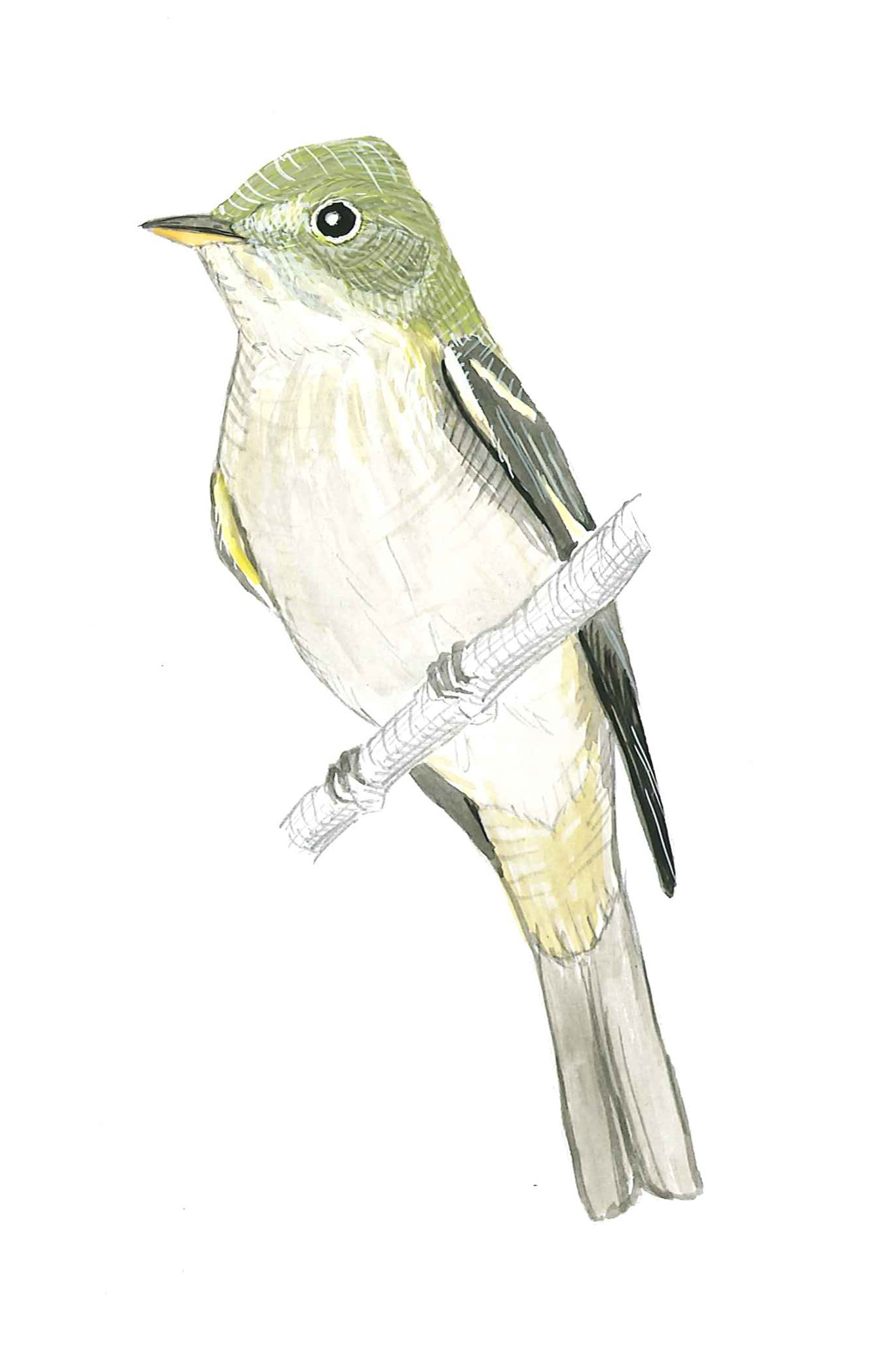
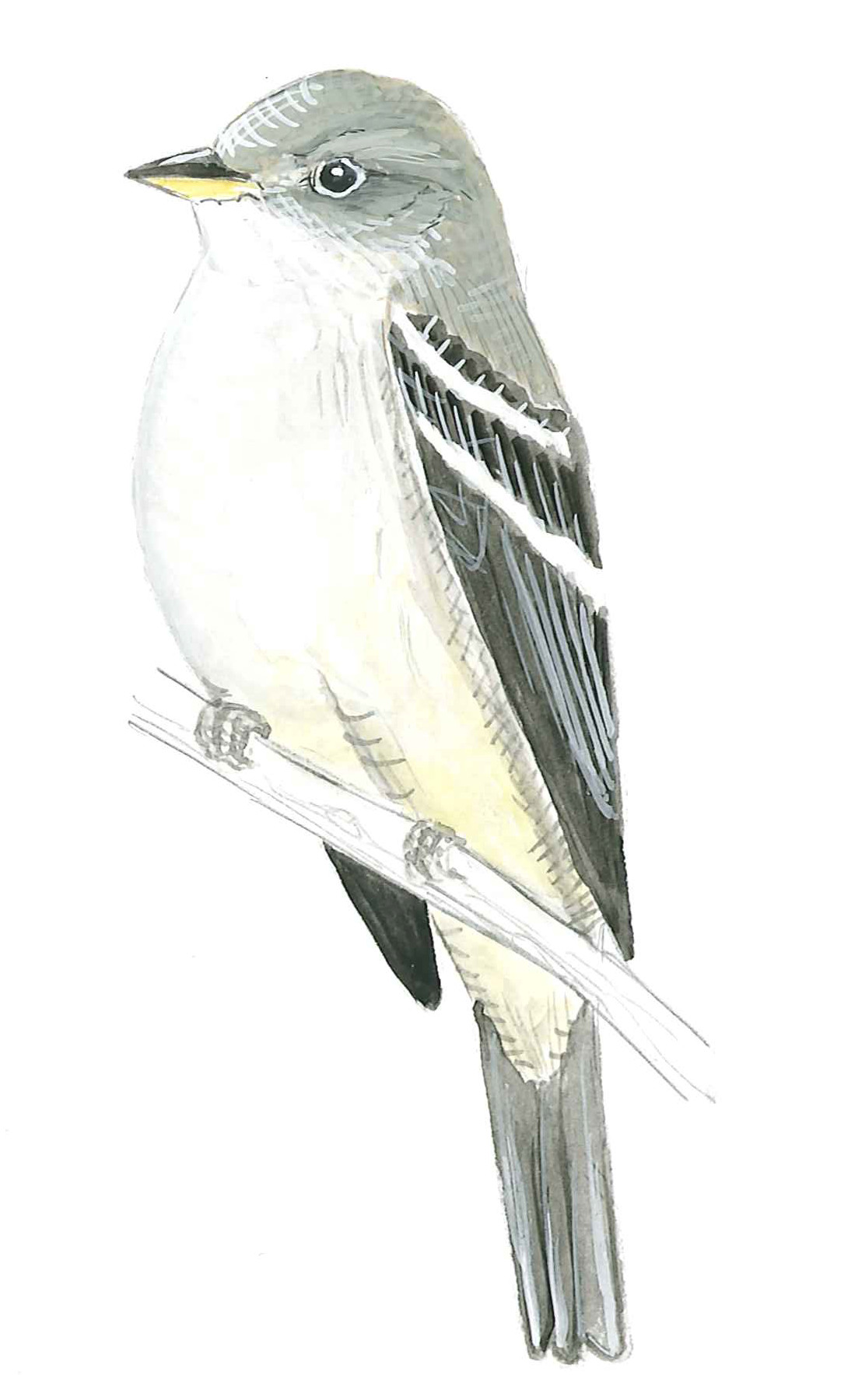
Lee, C-T and Birch, A., 2008, Field Identification of Western and Eastern Wood-Pewees. Birding 40 (5): 38-48. More criticism from birders
13.  *
Lee, C-T and Birch, A, 2006, Field Identification of North American dowitchers, Birding 38:34-43. Click for criticisms 1 2  3 4, but if you have some patience, this might help 5
12. *
Lee, C-T and Birch, A, 2002, Notes on the distribution, vagrancy, and field identification of American Pipit and “Siberian Pipit”, North American Birds 56:388-398.
11. *
Lee, C-T and Birch, A. 2001, Wing covert pattern as a diagnostic feature in identifying immature and female Bullock’s and Baltimore Orioles: reply to A. Jaramillo, “Wing covert pattern as an aid to identifying female and immature Bullock’s and Baltimore Orioles-Another look”, Birding, February issue, 64-68.
10. *
Lee, C-T and Shany, N 1998, Birding Taiwan, Birding 30:492-503.
9. *
Lee, C-T and Birch A, 1998, Field identification of female and immature Bullock's and Baltimore Orioles, Birding 30: 282-295.
8. *Lee, C-T and Birch A, 1998, Answers to the June photo quiz, Birding 30: 296-298.
7. *
Birch, A. and Lee, C-T, 1997, Field identification of Arctic and Pacific Loons, Birding 29: 106-115.
6. Lee, C-T, 1996, Birding Taiwan: 1996 report. In Foreign Field Note Series, American Birding Association.
5. *Lee, C-T, 1995, "Birdwatching in Riverside, California", San Bernardino County Museum Association, Redlands, volume 42, 218 pp., 117 figures.
4. *
Birch, A and Lee, C-T, 1995, Identification of the Pacific Diver - a potential vagrant to Europe, Birding World 8:458-466.
3. Lee, C-T, 1994, A teenaged birder's syndrome, A Bird's Eye-view 2:6.
2. *
Lee, C-T, 1994, More records of breeding Barn Swallows in Riverside, California, Western Birds 26:155-156.
1. Lee, C-T, 1994, Birding Taiwan: Trip report from summer 1994. In Foreign Field Note Series, American Birding Association
 
Other publications
6.  Lee, C.-T., 2009, Book Review: Isotope Geology, Elements 5:331.
5.
Lee, C.-T. 2009. Book Review: Quantitative Geochemistry, Geochemical Society, Geochemical Newsletter 139.
4.
Lee, C.-T. 2009. “Lee receives 2008 Hisashi Kuno Award”, EOS Transactions, 90(11).
3.
Lee, C.-T. 2007. “Rudnick receives N.L. Bowen award”, EOS Transactions, 88(8):98-99.
2.
Lee, C.-T., Little, M. G., 2006, Historically exploited should not be mocked, Letter to the Editor in The Rice Thresher, Sep 29, 2006.
1. Simons, F. J., Becker, T. W., Kellogg, J. B., Billen, M., Hardebeck, J., Lee, C.-T. A., Montesi, L. G. J., Panero, W., Zhong, S., 2004, Young solid earth researchers of the world unite! EOS Transactions, AGU, Vol. 85, Issue 16, 160-161. doi:10.1029/2004EO160011


Sketches and vignettes
Ornithology

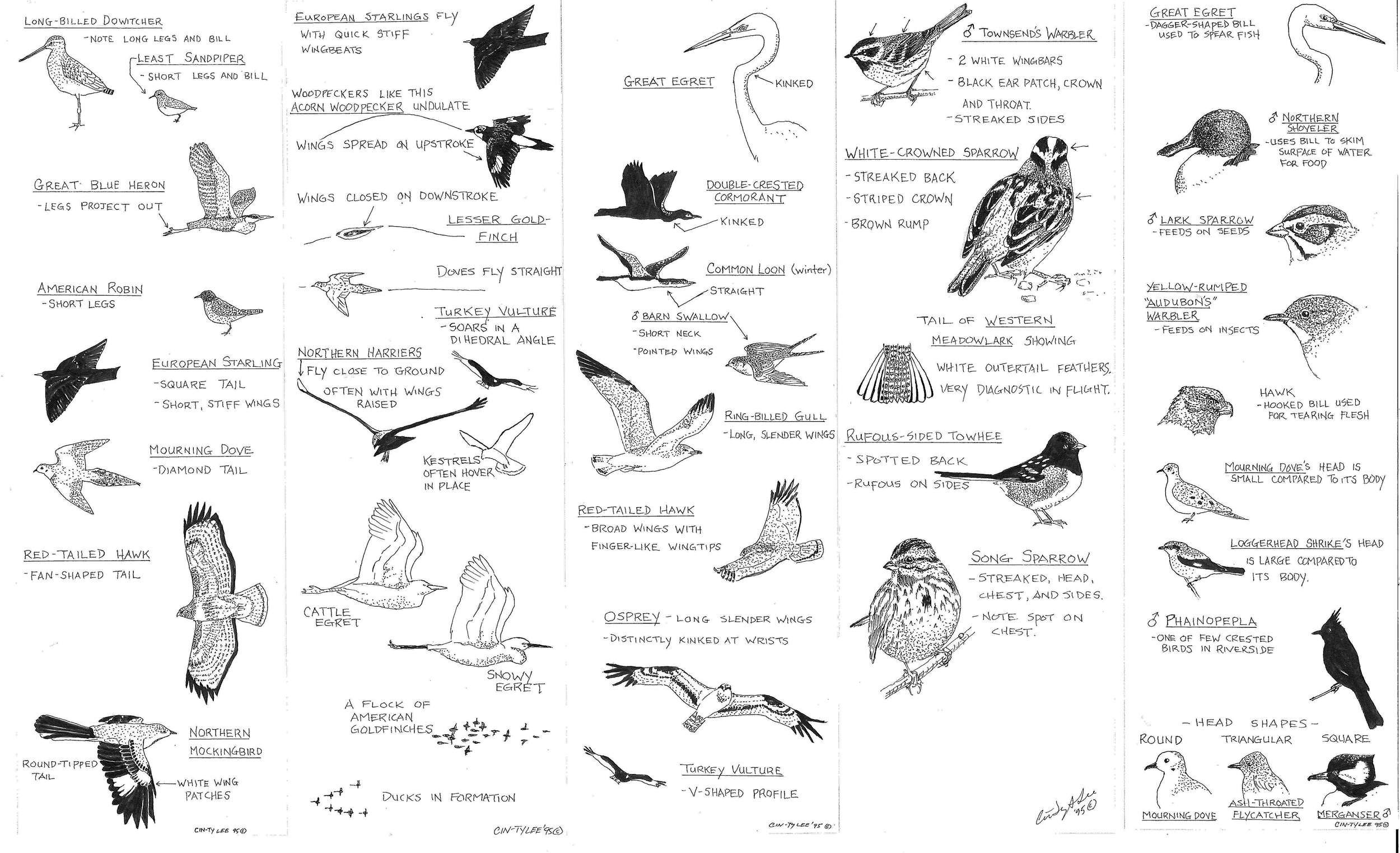
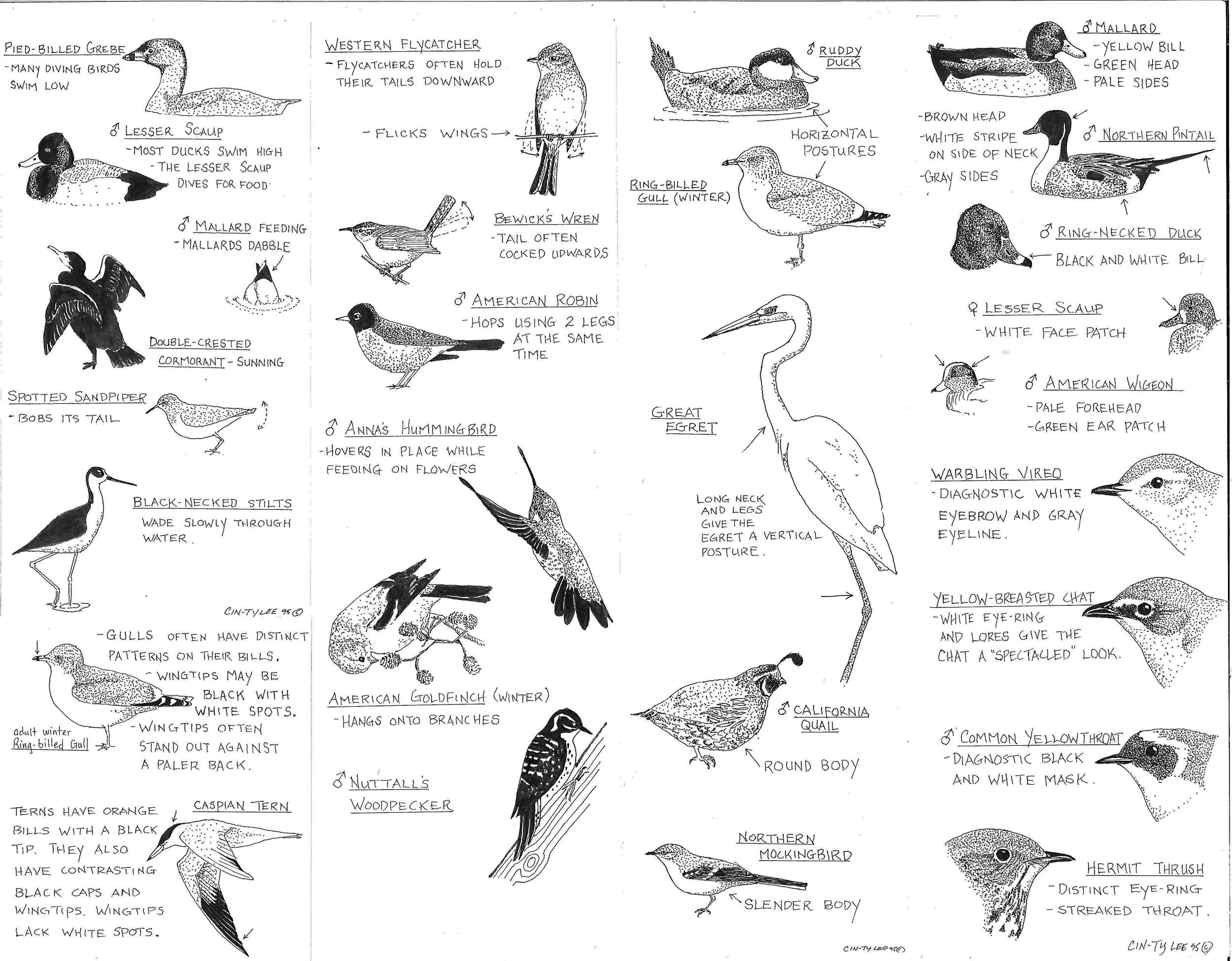
   Bird Checklist of Rice University
Birding at Rice University video

   Shorebird migratory status on the Upper Texas Coast
   Maps of shorebird spots on the Upper Texas coast    
   Bolivar shorebird essay
   Birding Carmel State Beach
  Shorebird identification
Birding by radar - fall migration


Long-billed vs Short-billed Dowitchers
      
      Surfbirds.com article
      Los Angeles Audubon presentation
      Birding article
 
 American vs "Siberian" Pipits
      Pipit article in North American Birds

  Neotropic vs Double-crested Cormorant

  Arctic versus Pacific Loons
      Arctic, Pacifc and Common Loon gestalts


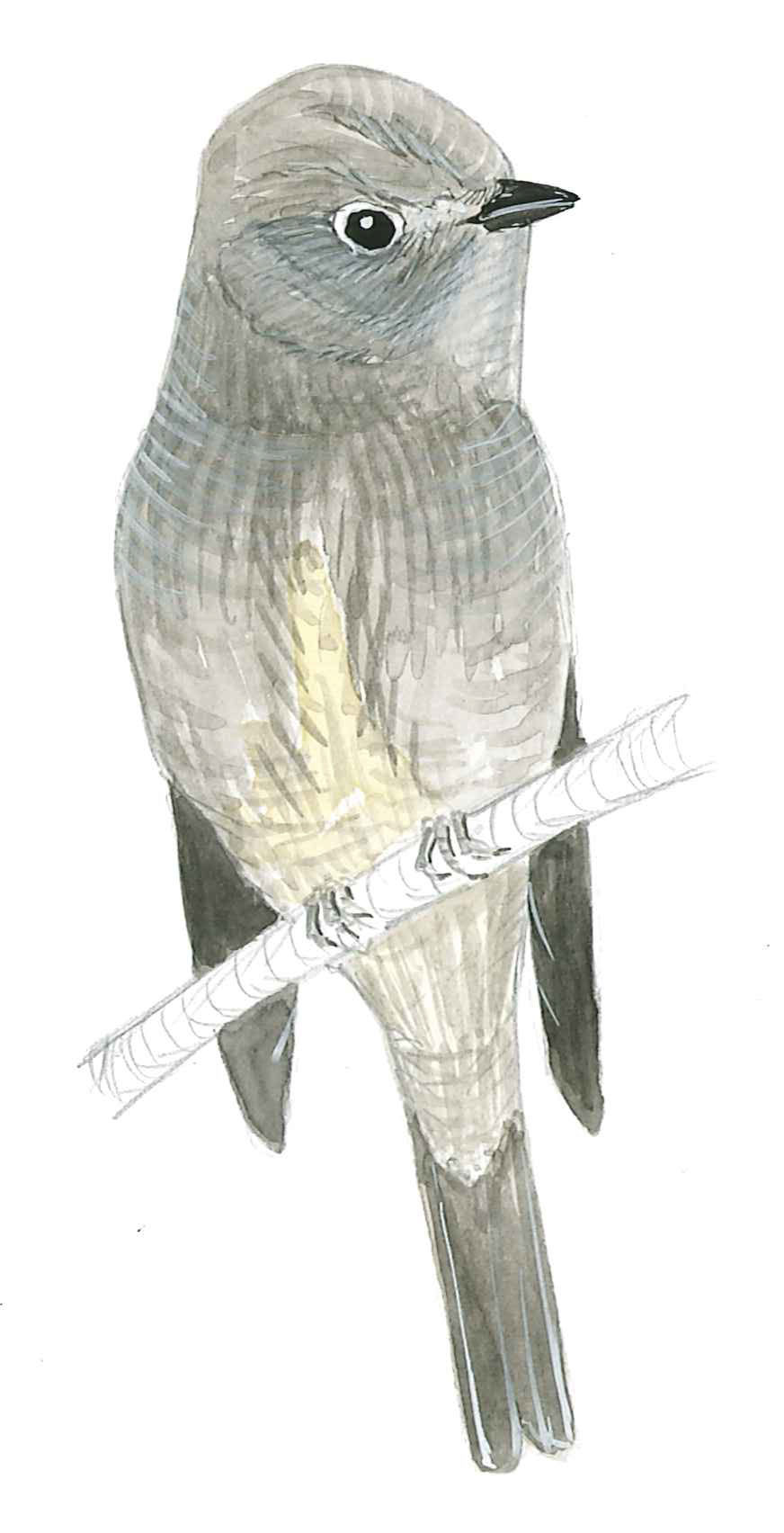
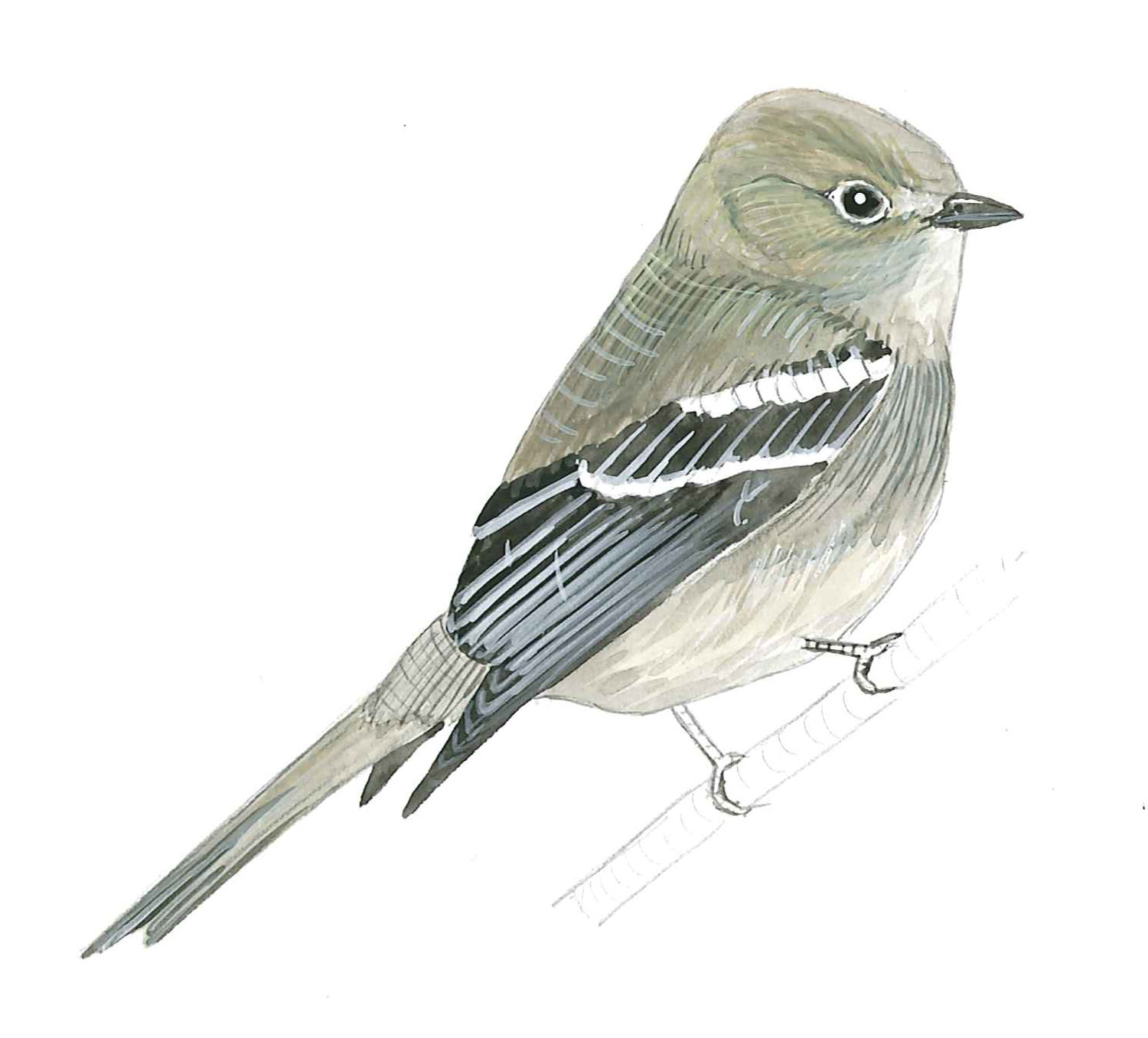
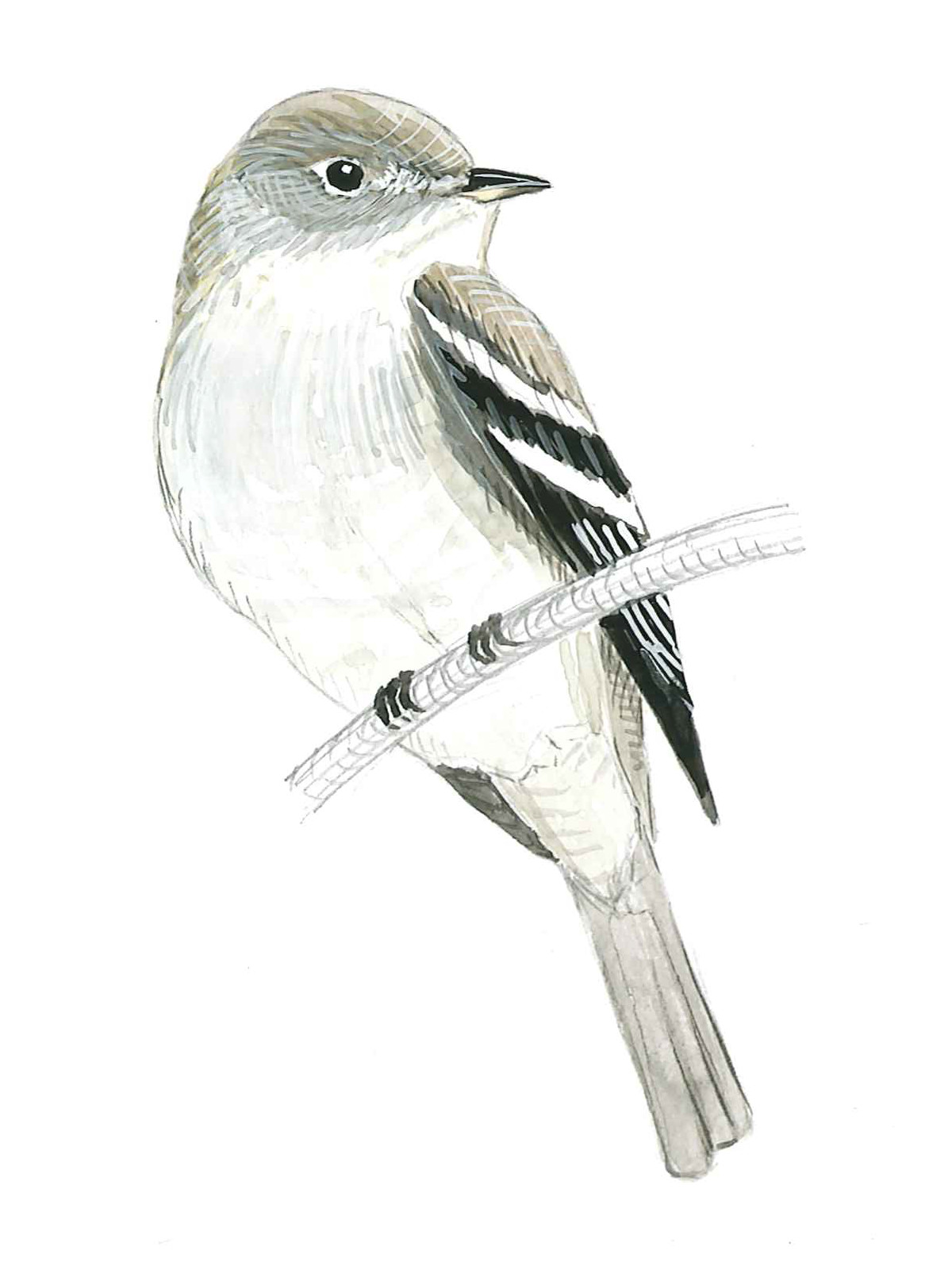
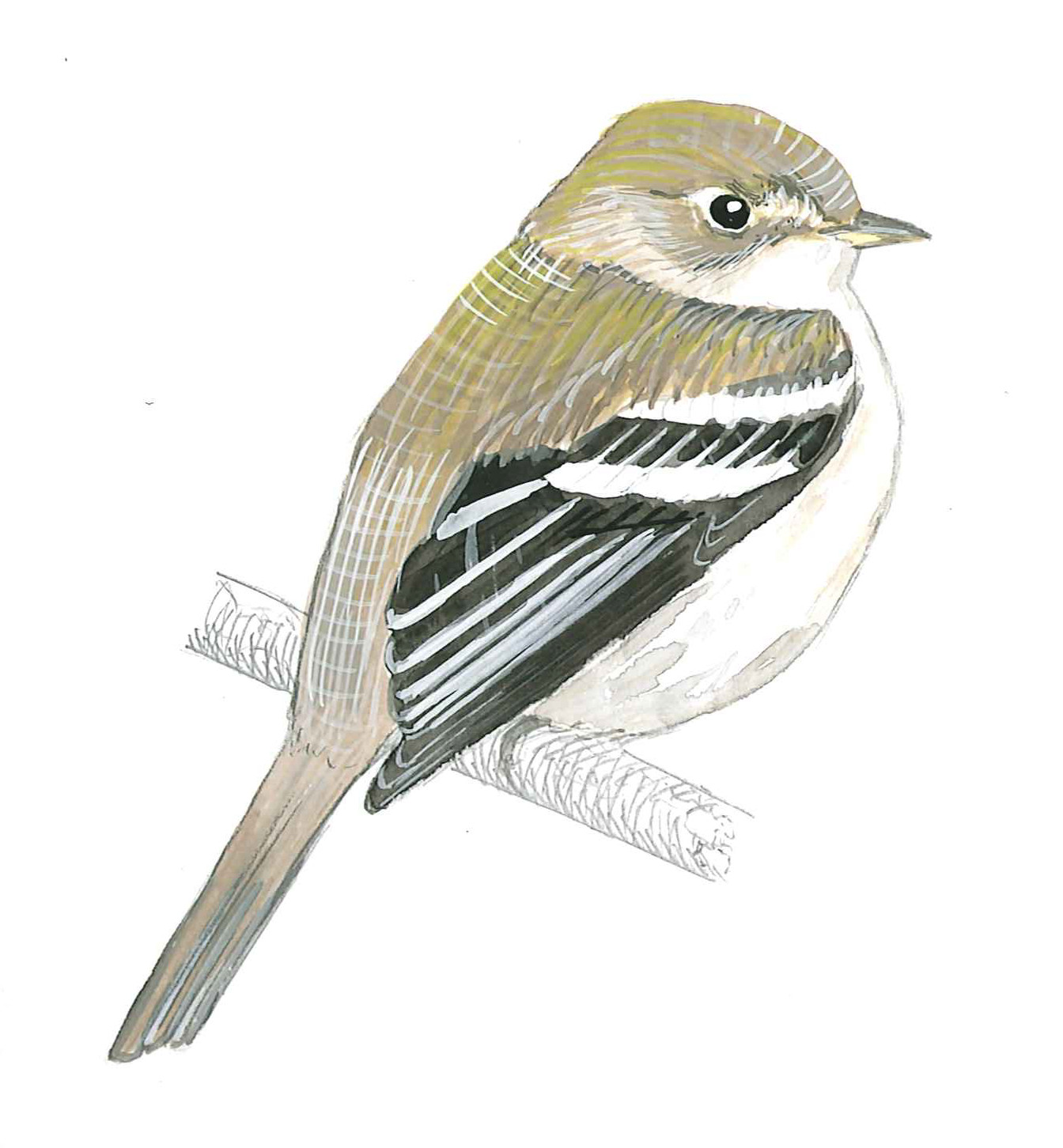
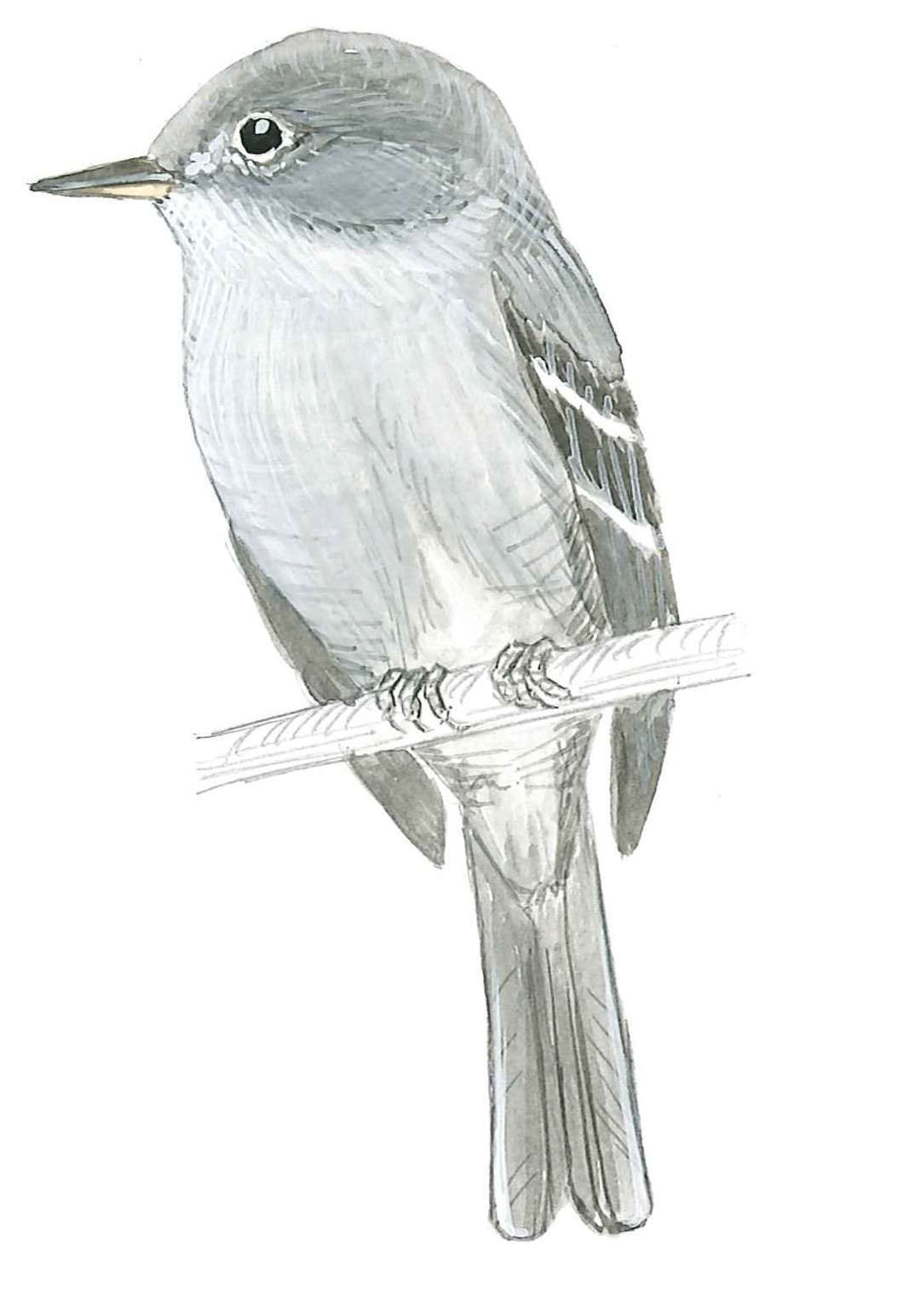
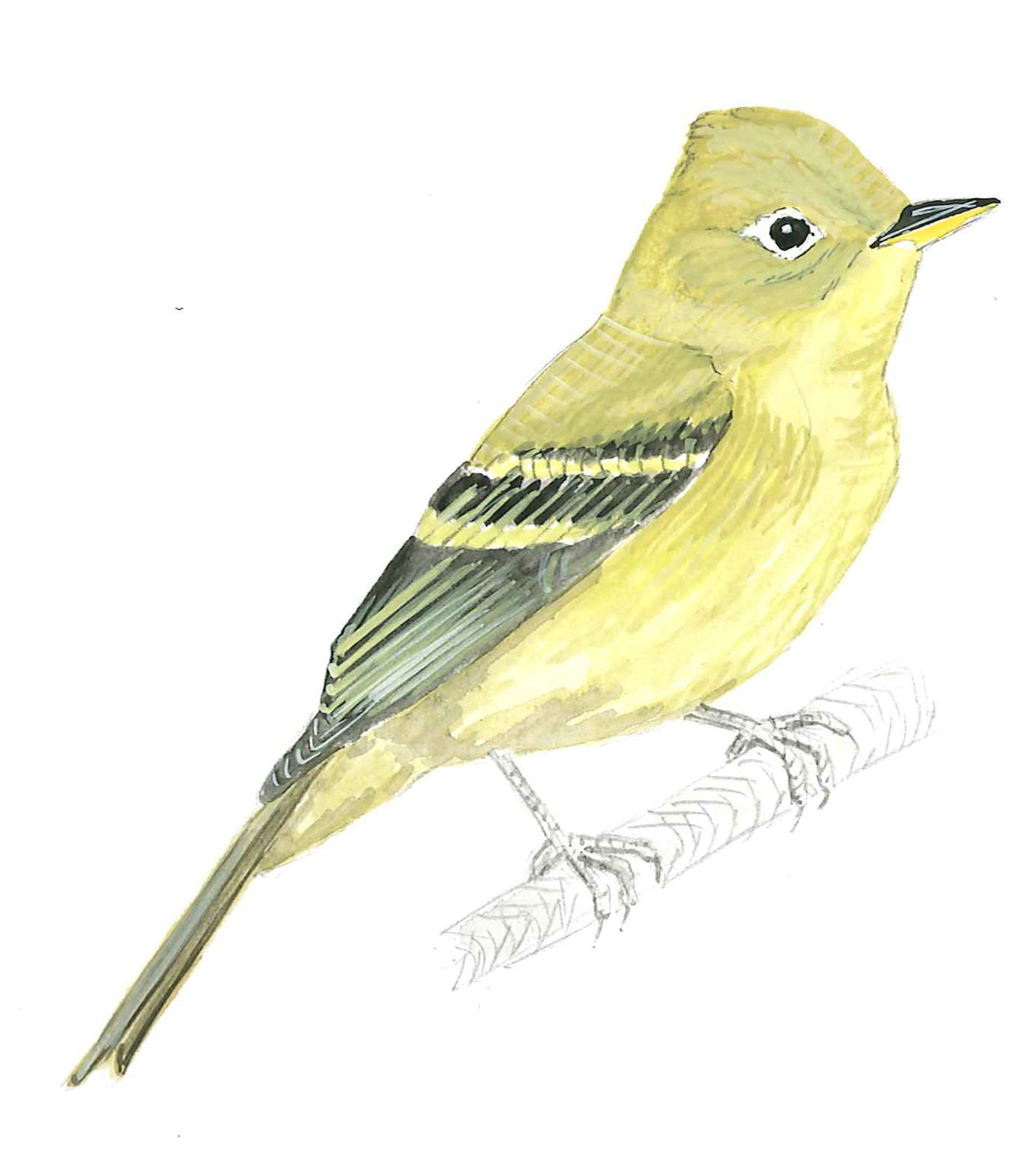
  Western and Eastern Wood-Pewees
  Baltimore and Bullock's Orioles
  Western and Eastern Willets

Ivory Gull in California 1996 click

Botany
C
oastal sage scrub

Watercolor/Goauche
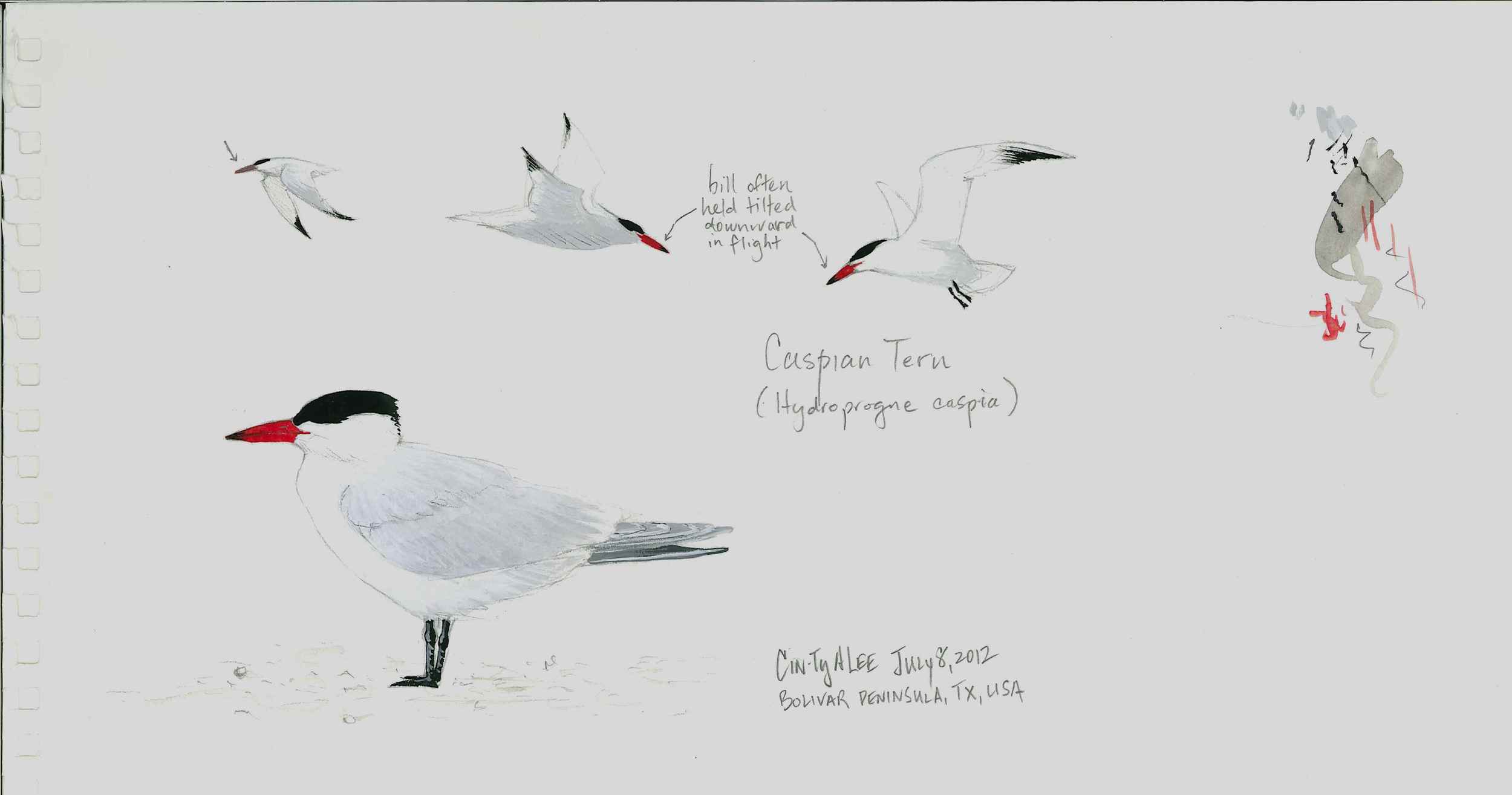
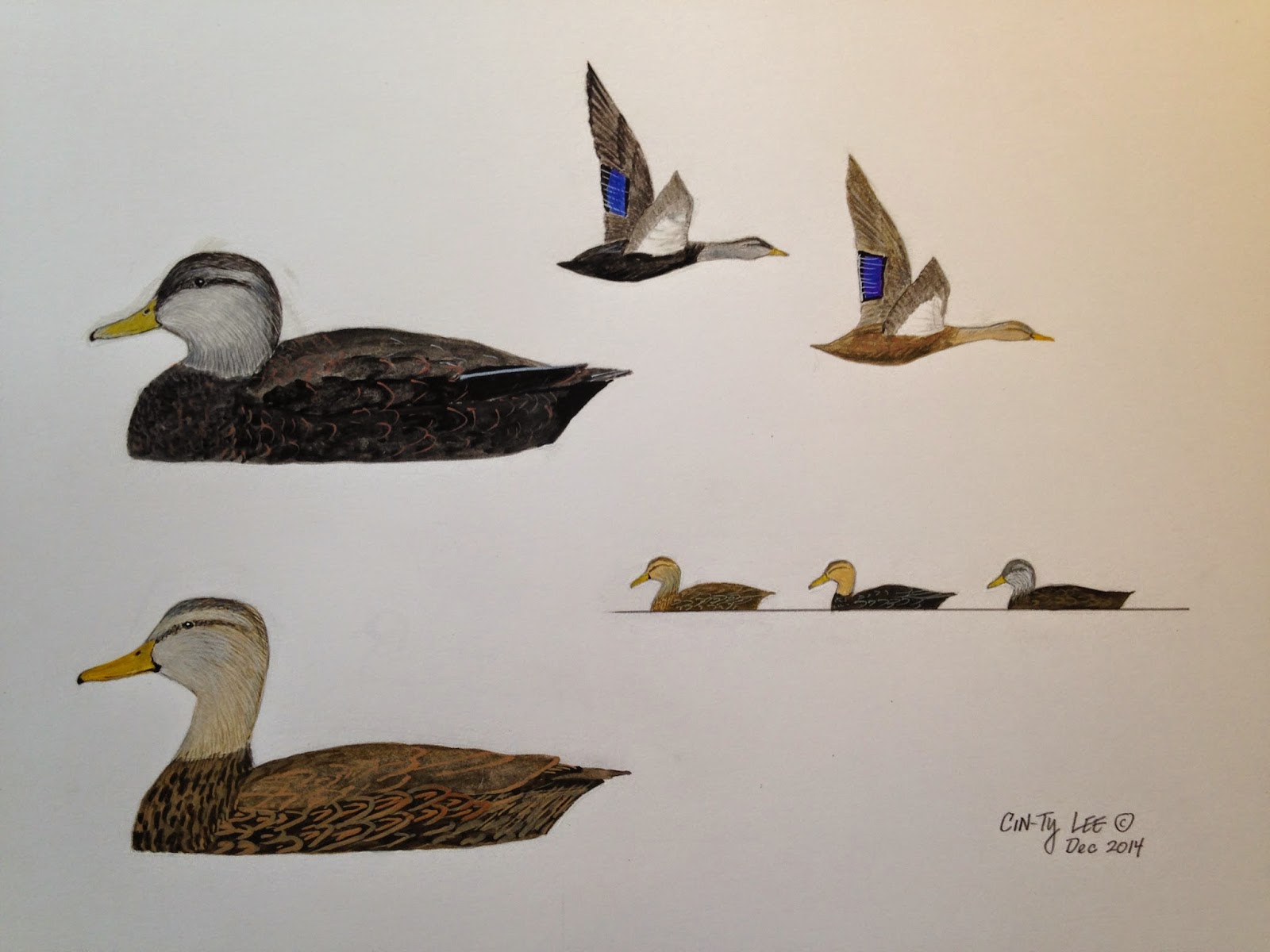
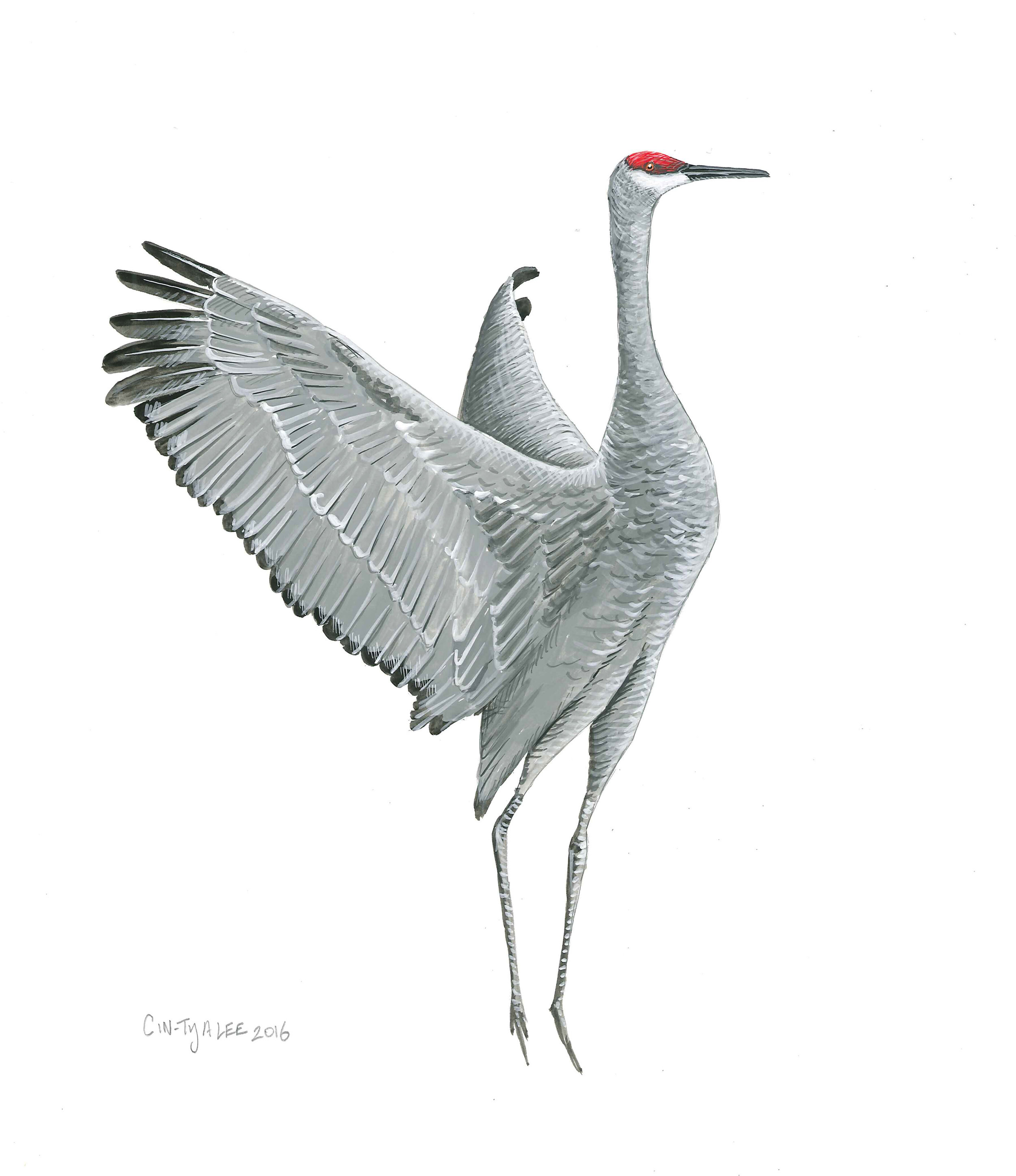
   Bird Paintings
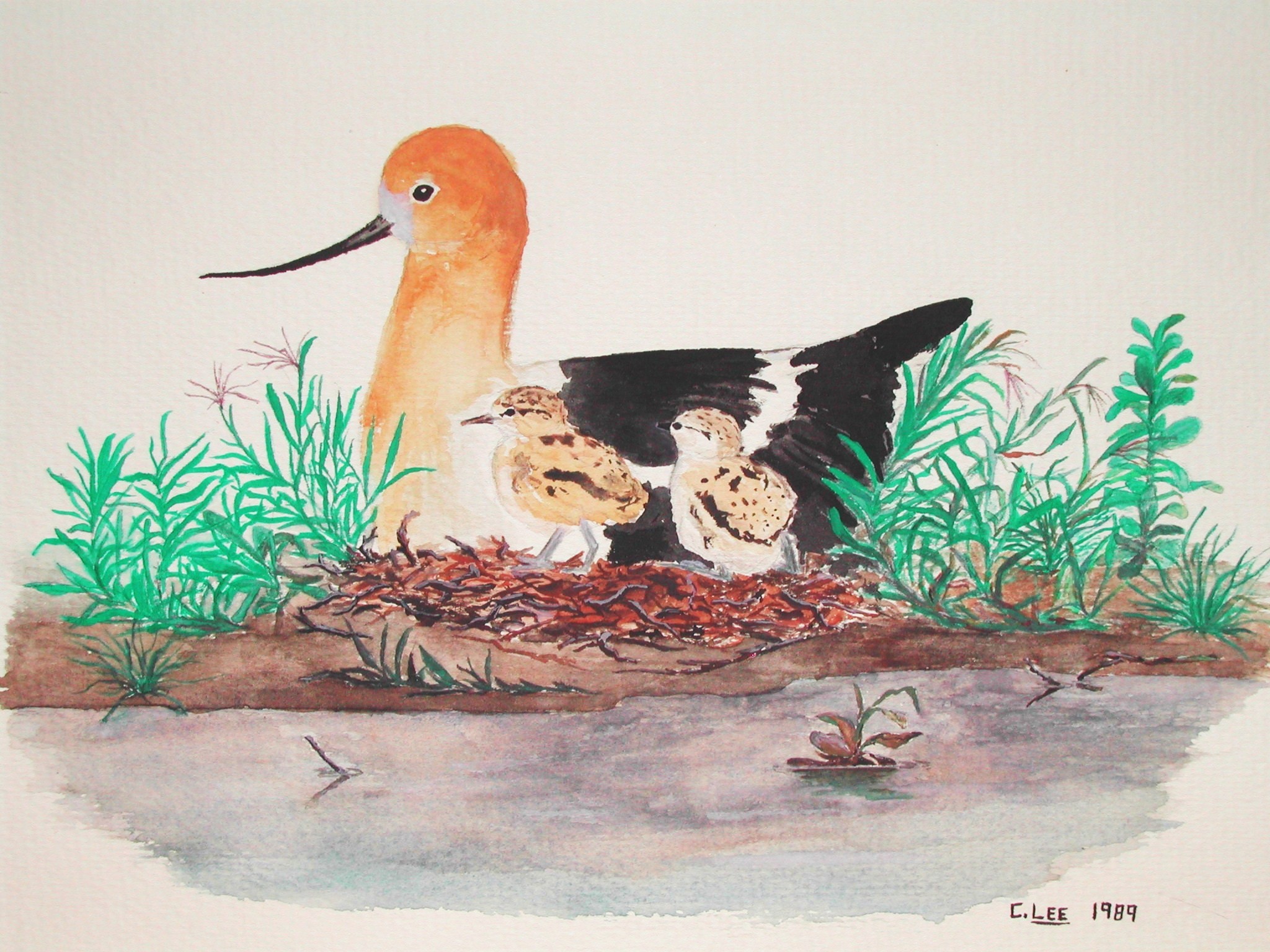
   American Avocet
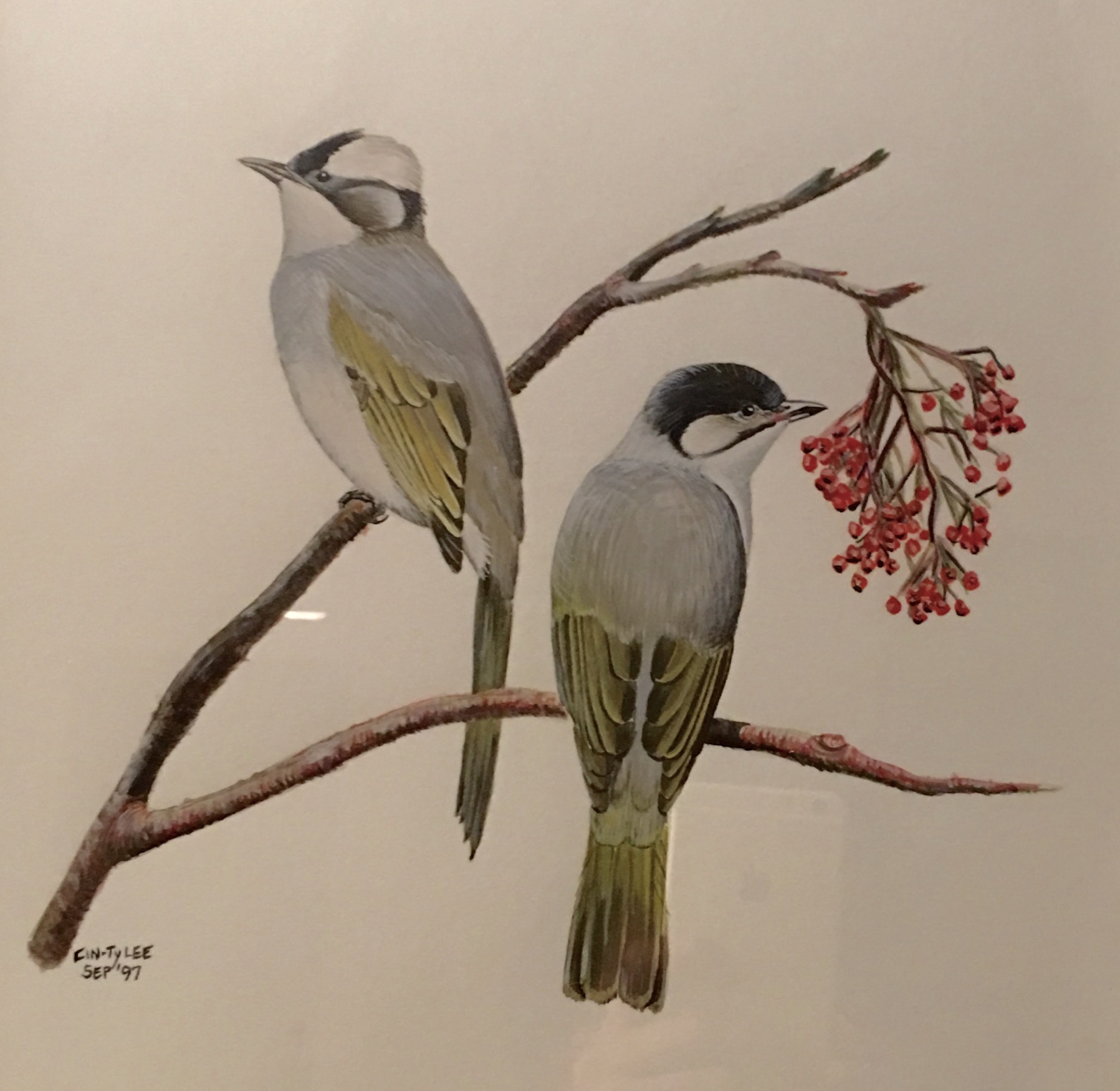
   Formosan Babbler
   Dowitcher feathers
   Firecrest
   Ground-Doves
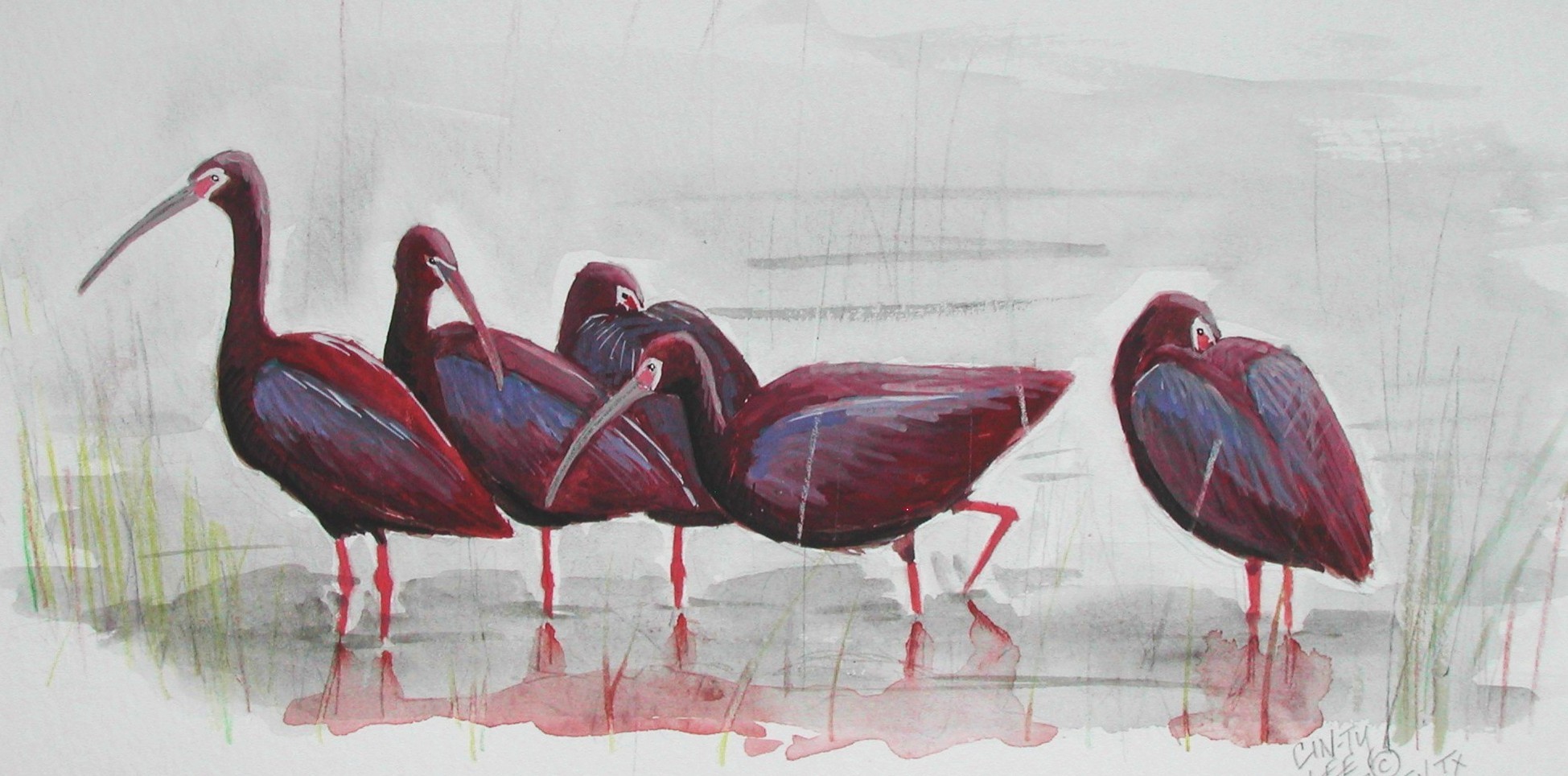
   Ibises
   Johnstone’s Bush Robin
   Pipits
   Sandgrouses
   Yellowthroat
   Solidago
   Vireos-1
   Vireos-2
   Rice-bird
   Self-Portrait

   chipmunk
   Birds of Riverside
   Birds of Riv. mistake
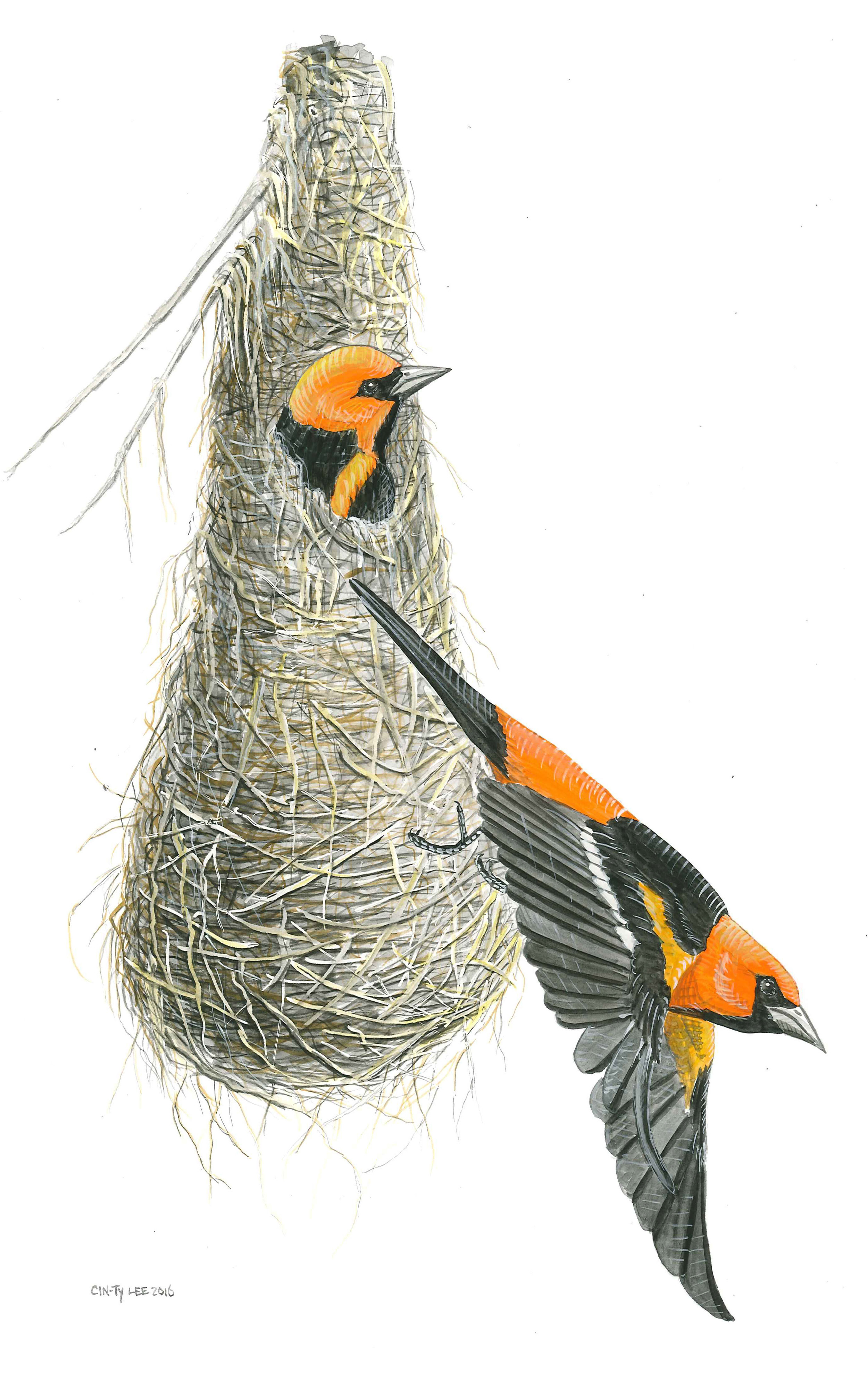
   Orioles
   Western Tanager
   Grebes
   Egrets
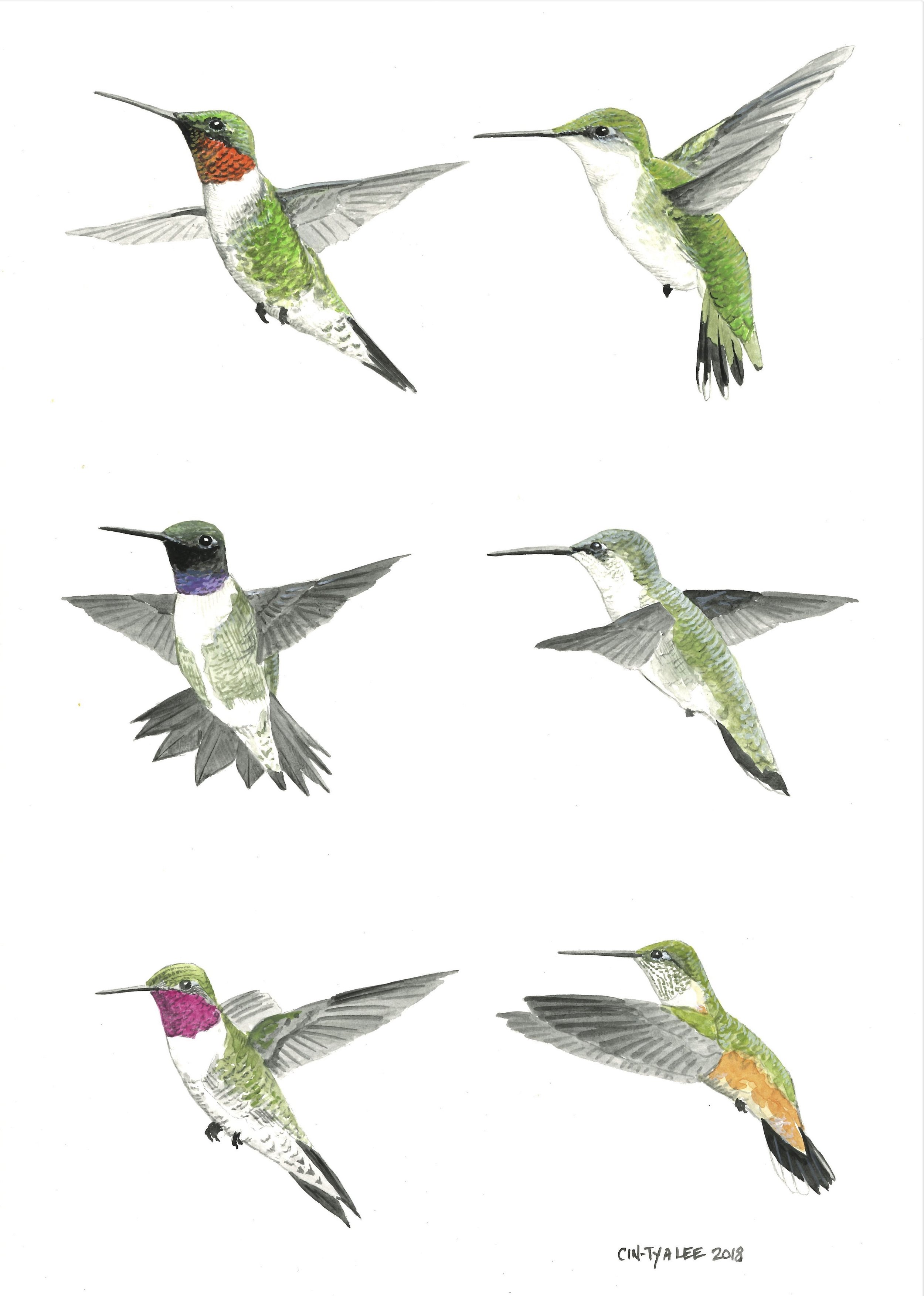
   Black-chin Hummer
   Dowitcher sketch

Pen and ink
   UCR Botanic Garden
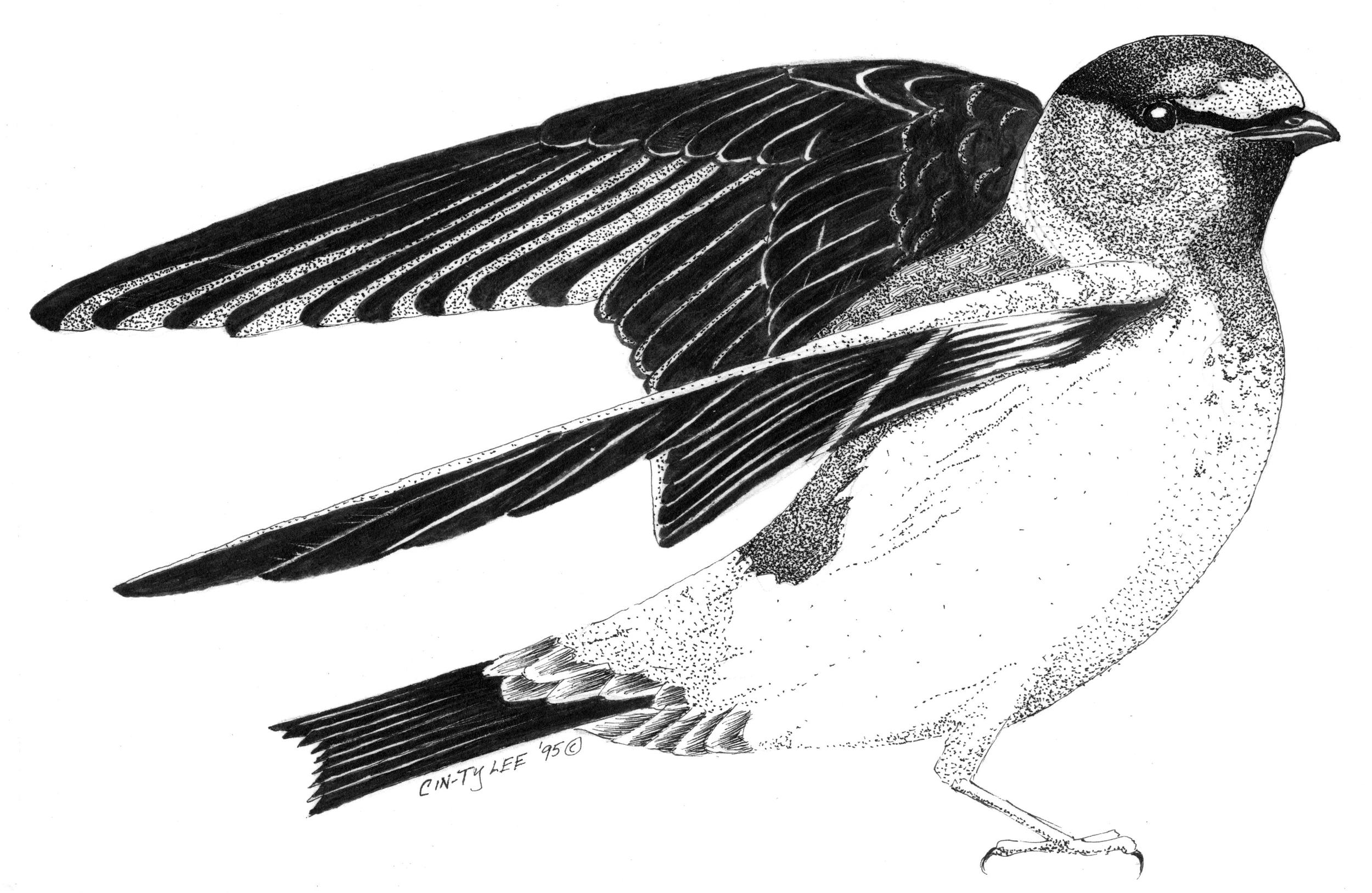
   Cliff Swallow
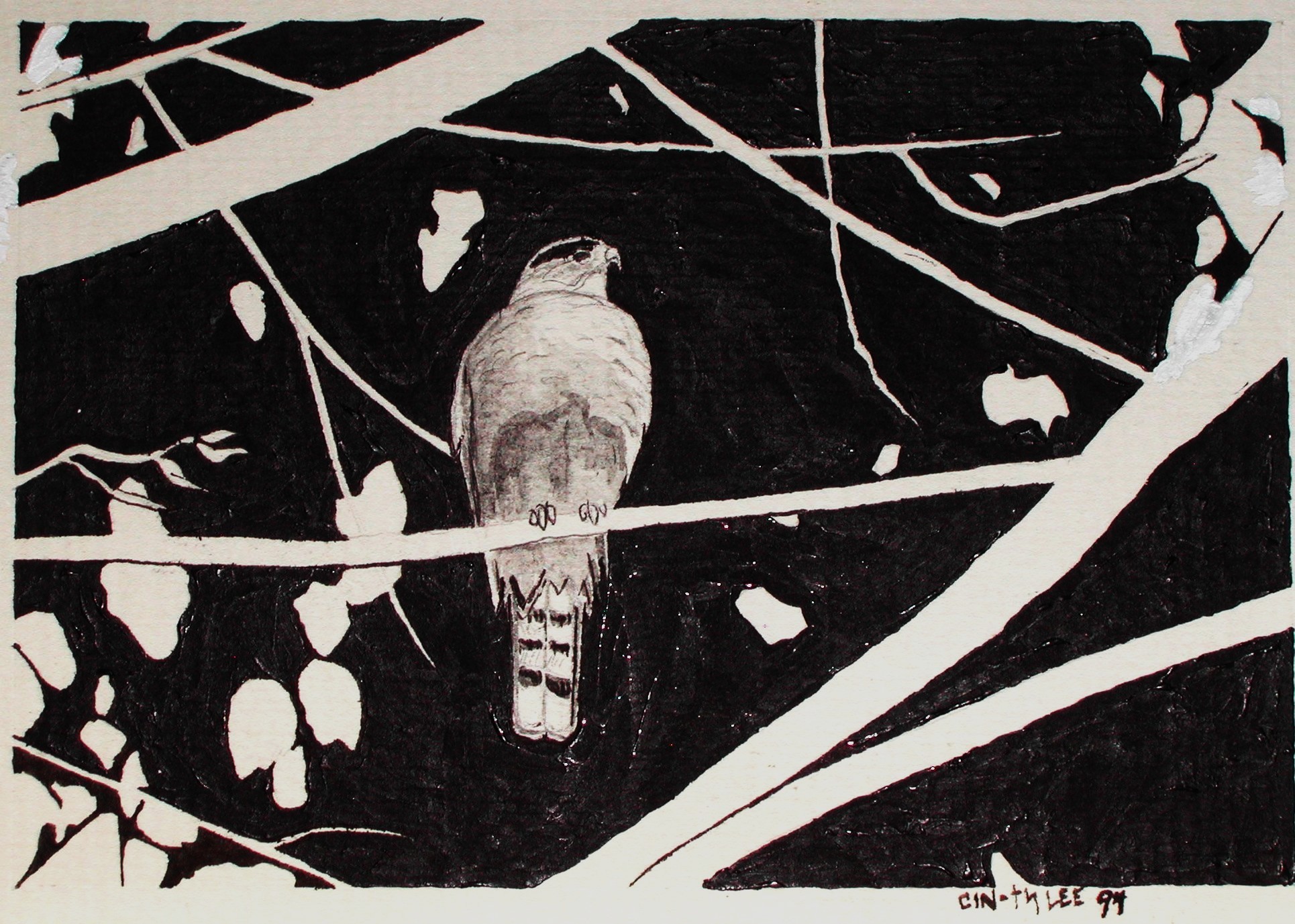
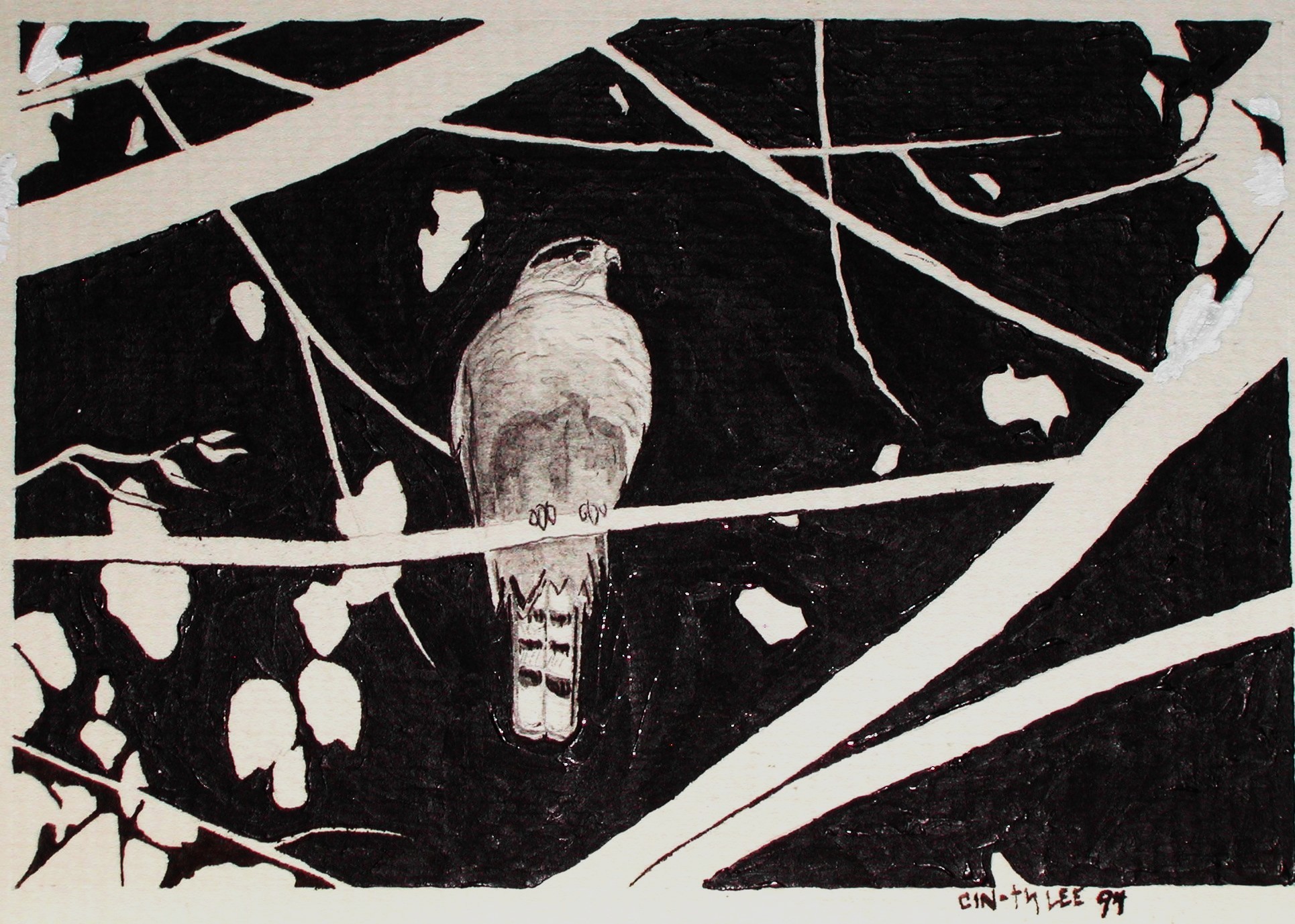
   Cooper’s Hawk
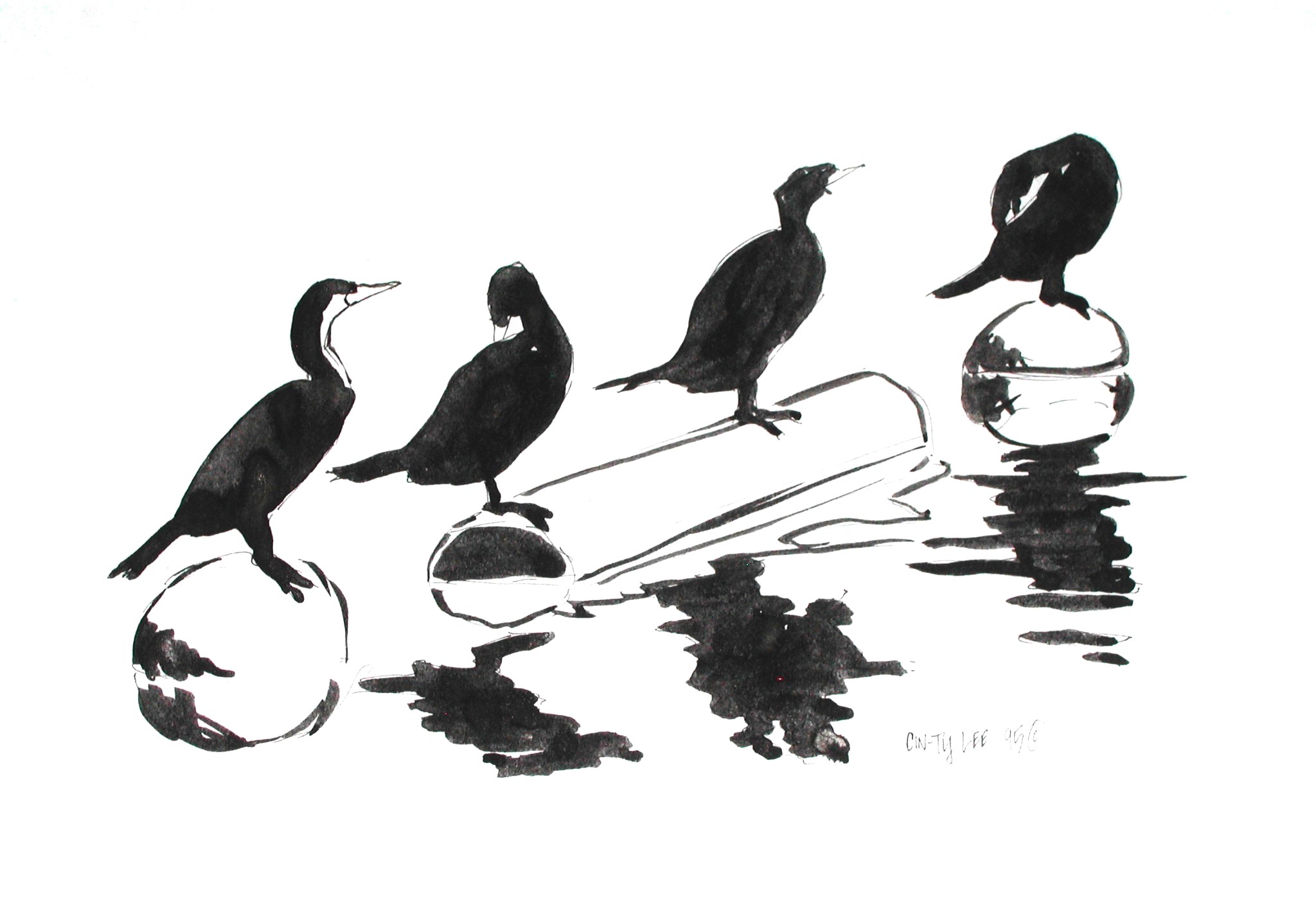
   Cormorants
   Mikado Pheasant pair
   Green Heron
   House Wren
   Swan
   Mt Rubidoux
   Mallards
   Strike & Dip (UC Berkeley Geology T-shirt, 1995)
   Hooded Merganser (1999 in Western Birds)
   Bristle-thighed Curlews
   Trees
   ID Plate 4
   ID Plate 5
   ID Plate 1
   ID Plate 3
   Divers
   Penguin
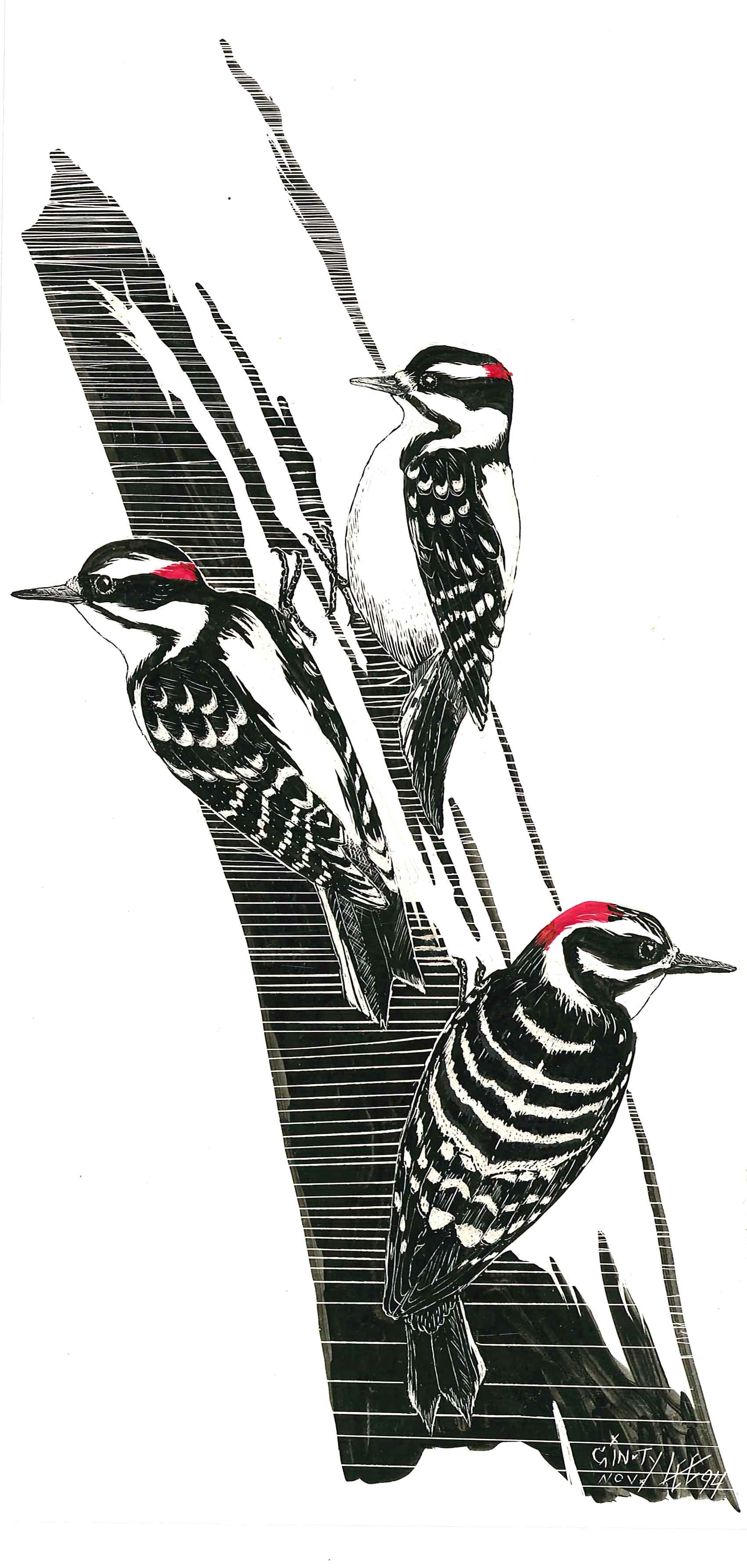
   Woodpeckers
   Domestic Geese
  

Random writings and scribbles
  
The art of scientific writing
Fear not the tectosphere
   What to do if your paper is rejected
   Proper choice of colors
   Grad school and intro to English language 
   How to have a successful PhD
   My view of geochemists
   Recipe for creativity
   My blog: downtoearthquestions.blogspot.com
   The map of ideas
The Secret Mafic Society
The Cottonwood
Where do ideas come from?


feather


Interesting birds
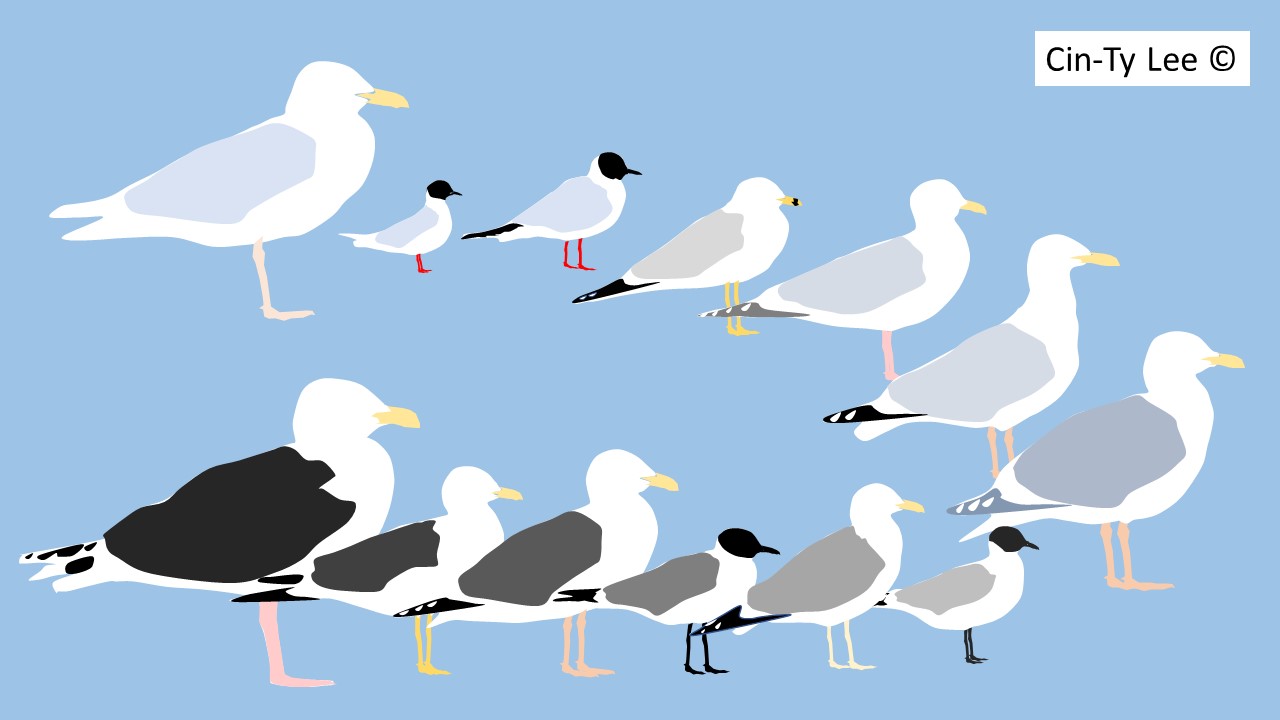
Kelp Gull (Houston,, TX, Nov 2008)
Thayer's Gull (Houston, 16 Feb, 2008)
Franklin's Gull (Houston, TX, 24 Feb, 2008)
Hairy Woodpecker (Houston, TX, 15 March 2008)
Pacific Loons (Galveston, TX, 30 March 2008)
Glossy Ibises (Upper Texas Coast, summer, 2002)
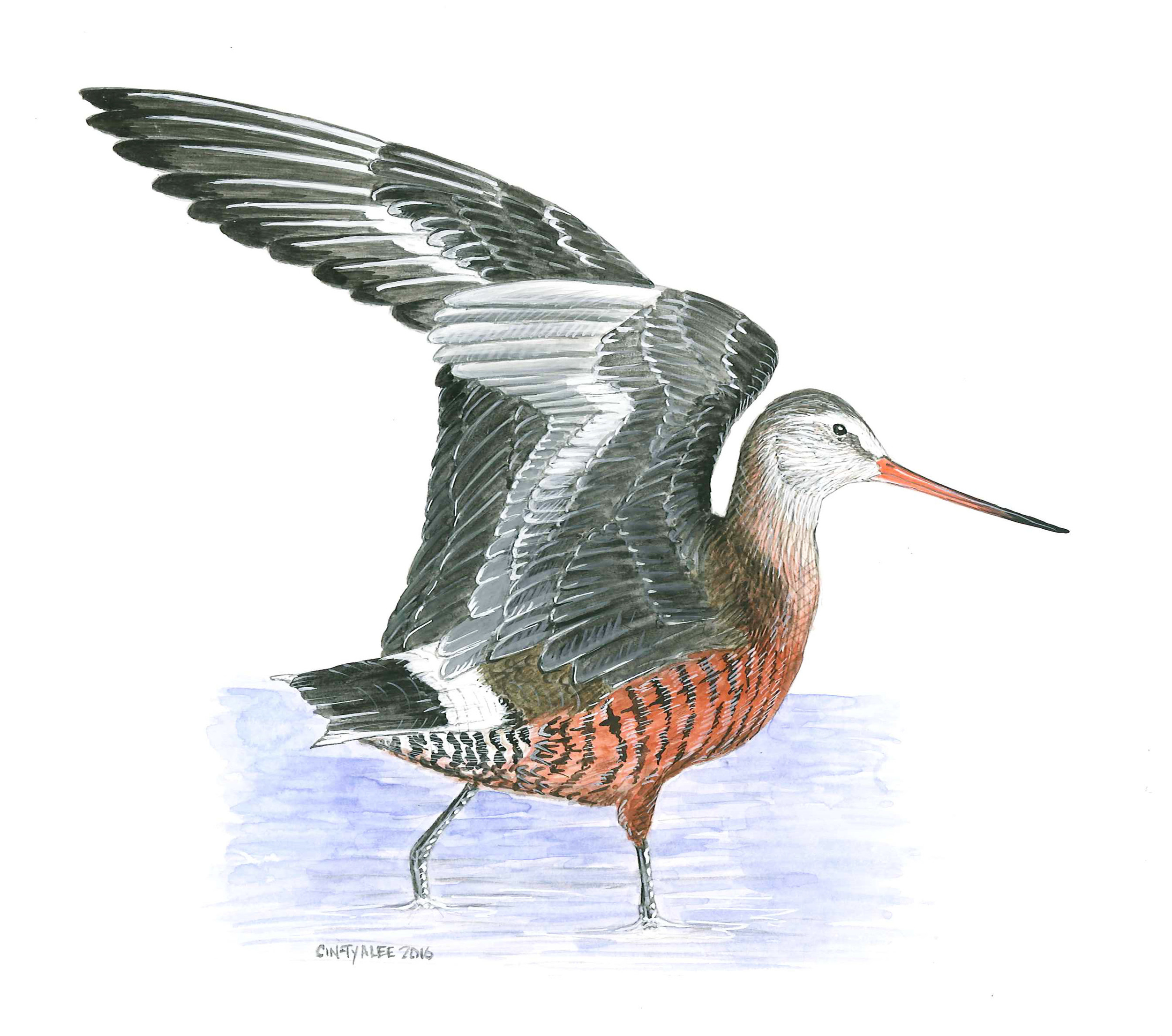
Hudsonian Godwit (Bolivar Flats, TX, 7 Aug 2005)
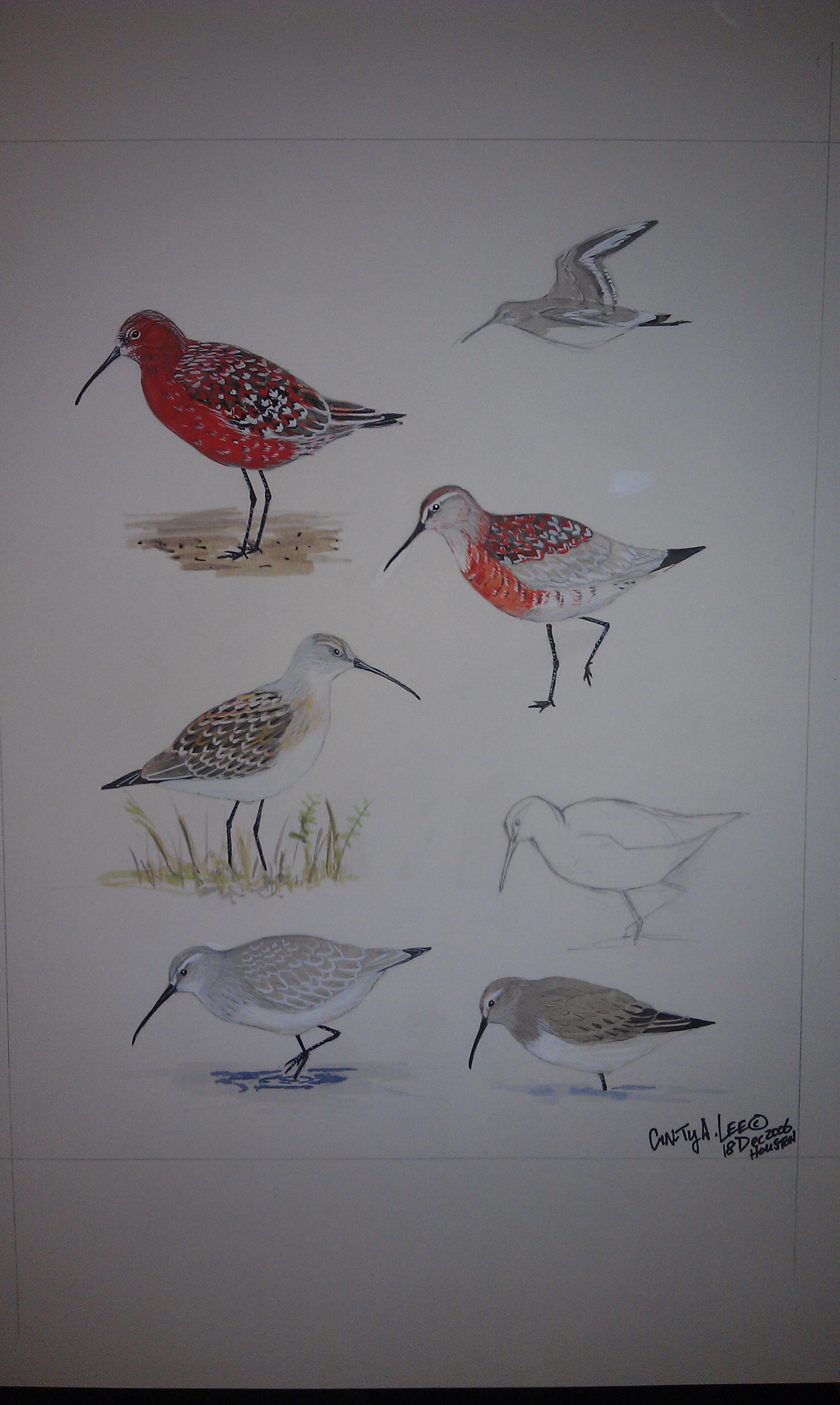
Curlew Sandpiper (Bolivar Flats, TX, 3 June, 2006)
Pomarine Jaeger (Bolivar Flats, TX, 3-4 May 2008)
Winter plumage Semipalmated Sandpiper (Bolivar Flats, TX, 22 Aug 2009)
Possible Yellow-billed Loon (28 Mar, 2010; Galveston)
White-crowned Sparrow (Gambel's) - Chambers County, TX, May 2, 2010
Masked Ducks (Texas)
Rufous-necked Stint (Massachusetts)
Gulls from Riverside County, CA (Dec 2008) click
Curlew Sandpiper (breeding plumage in winter in Taiwan) click


The useful and useless

Someone else’s graffiti
Horse Acappella
Flocking behavior
National Committee for Fluid Dynamics Films


Classic papers/References (coming soon)

Robie, Hemingway, Fisher, 1978, Thermodynamic Properties of Minerals and related substances at 298.15 K and 1 Bar Pressure and at higher temperatures, USGS Bulletin 1452

Korzhinskii, Physicochemical basis of the analysis of the paragenesis of minerals, Russian translation.